

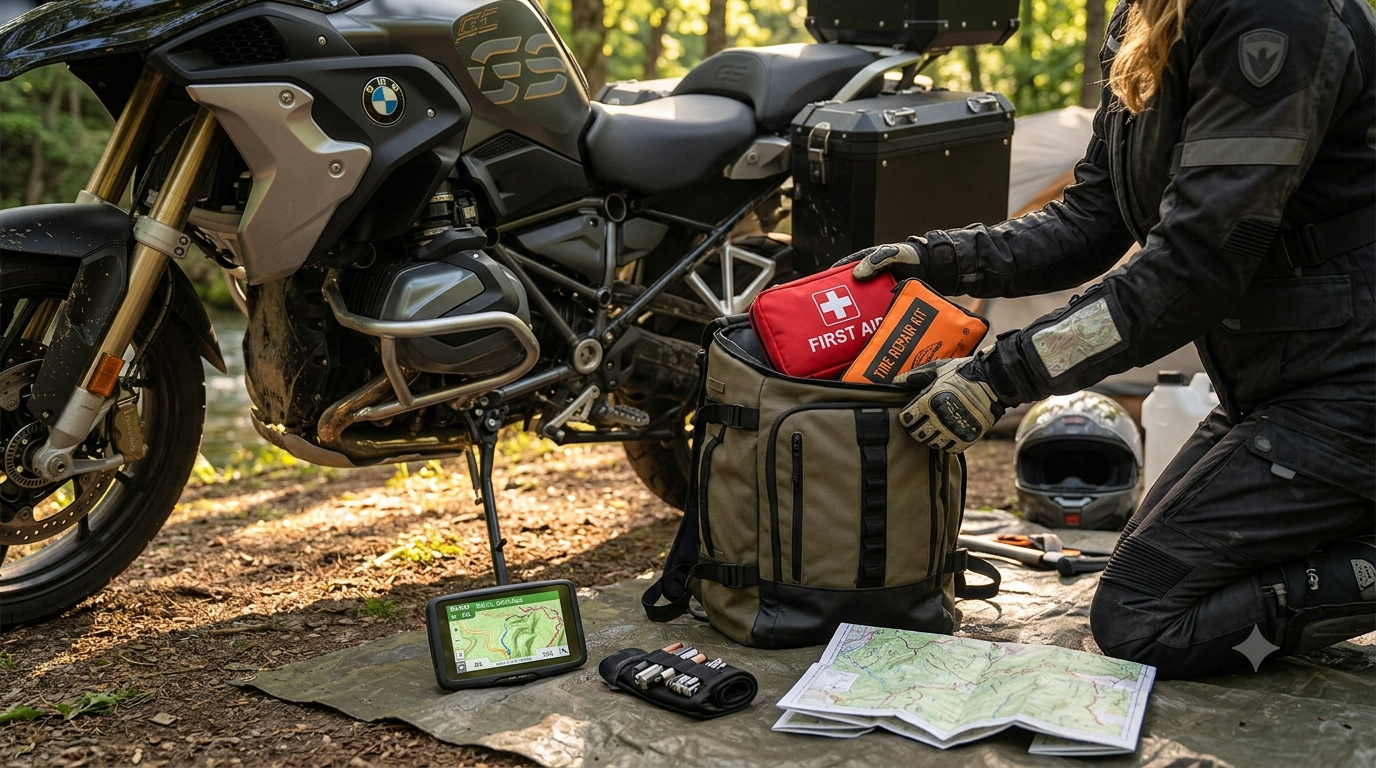
Motorcycle GPS navigation mount reliability is essential for any adventure rider tackling backcountry trails, remote highways, or off-grid expeditions. Standard phone mounts and casual solutions simply don’t cut it when you’re far from civilization. This guide delivers a proven, field-tested system for secure, waterproof, and vibration-resistant navigation—so you never lose your way or destroy your gear, no matter how tough the terrain.
Table of Contents
Key Takeaways
- Dedicated, waterproof motorcycle GPS navigation mounts and hardware protect your devices from vibration and weather far better than regular phone setups.
- Pairing rugged GPS units like the Garmin zūmo XT2 with offline GPX map apps ensures continuous navigation—even without cell signal—making your ride safer and more stress-free.
- Hard-wiring your GPS mount to the motorcycle’s accessory circuit guarantees non-stop power for long adventures, while standard AMPS-pattern hardware ensures secure, industry-supported mounting.
- Why You Need a Reliable Motorcycle GPS Navigation Mount for Remote Rides
- Step-by-Step Guide: Setting Up a Bulletproof ADV Navigation System
- Advanced Analysis & Common Pitfalls
- Conclusion
- Frequently Asked Questions
Why You Need a Reliable Motorcycle GPS Navigation Mount for Remote Rides
Adventure riding demands more from your navigation system than city commutes or quick weekend escapes. When riding off-grid, standard phone mounts—especially those without waterproofing or vibration isolation—expose your phone to a harsh environment. Rain, mud, persistent engine vibration, and direct sunlight are real threats, not just annoyances.
Being mounted on the handlebars, your device is exposed to constant shaking, thermal swings, and surprise downpours. Using your daily smartphone, even in a so-called “handlebar phone mount waterproof” case, can result in camera damage or internal hardware failures. In fact, vibration-induced phone camera failure is well documented (source).
Riders in remote, no-cell areas need GPS navigation that’s independent of mobile networks. Losing signal can turn a minor detour into a full-scale backtracking ordeal, with little margin for error in unfamiliar or technical terrain. Having the right motorcycle GPS navigation mount and reliable mapping hardware is not optional; it’s survival gear for remote ADV trips.
Step-by-Step Guide: Setting Up a Bulletproof ADV Navigation System
Field-tested ADV navigation means more than just snapping a GPS onto your bars. Here’s how to combine industrial-grade hardware, proven mounting methods, and seamless map management for full off-grid confidence.
- Choose a Dedicated GPS or Rugged Tablet:
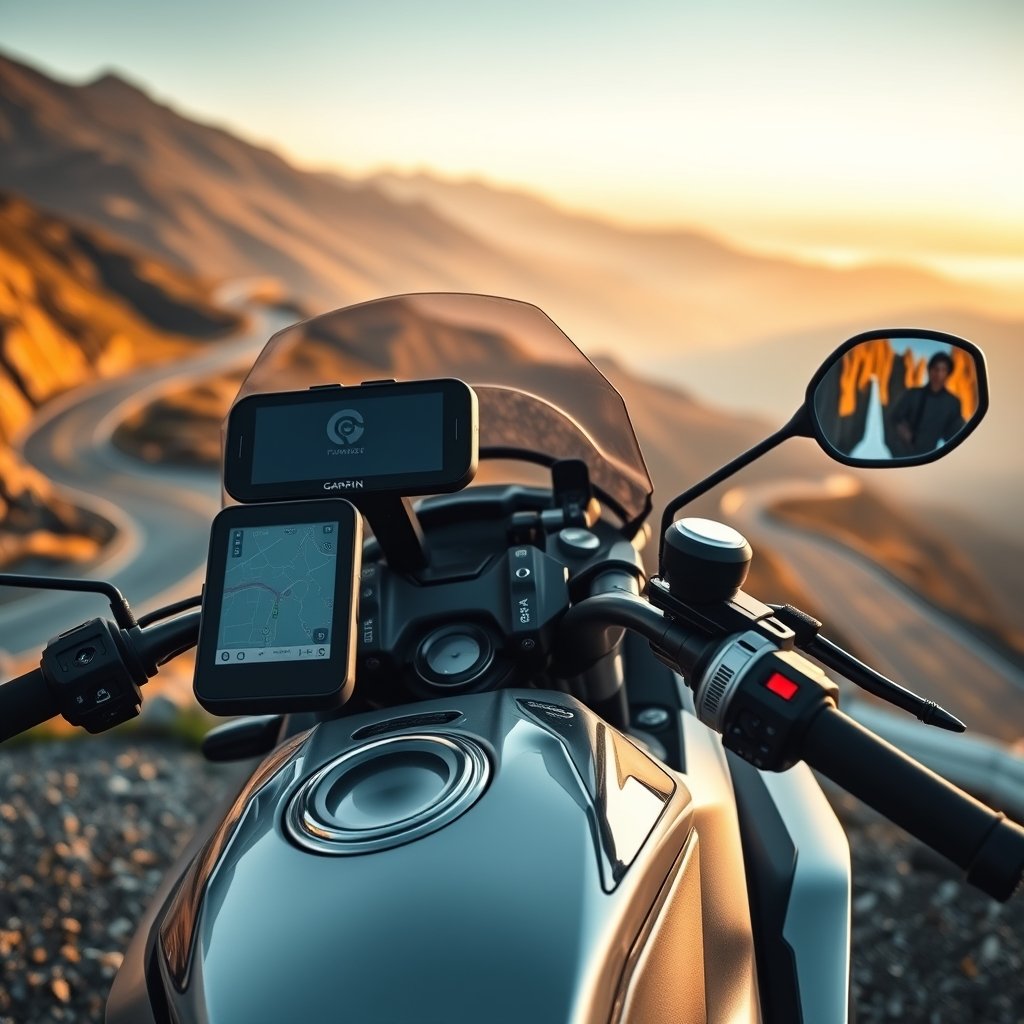
- Garmin zūmo XT2 is the ADV standard: 6-inch sunlight-readable, glove-friendly HD touchscreen, IPX7 water resistance, and MIL-STD-810 durability. Supports extensive offline GPX tracks and custom maps.
- Alternative: Use a rugged Android tablet with built-in GNSS (e.g., ATP Rugged)—great for large topo maps or apps like Gaia GPS (reference).
- Select an AMPS-Pattern Motorcycle GPS Navigation Mount:
- AMPS (30mm x 38mm) bolt pattern fits almost all ADV-specific hardware from RAM Mounts, Quad Lock, and major OEM brackets (reference).
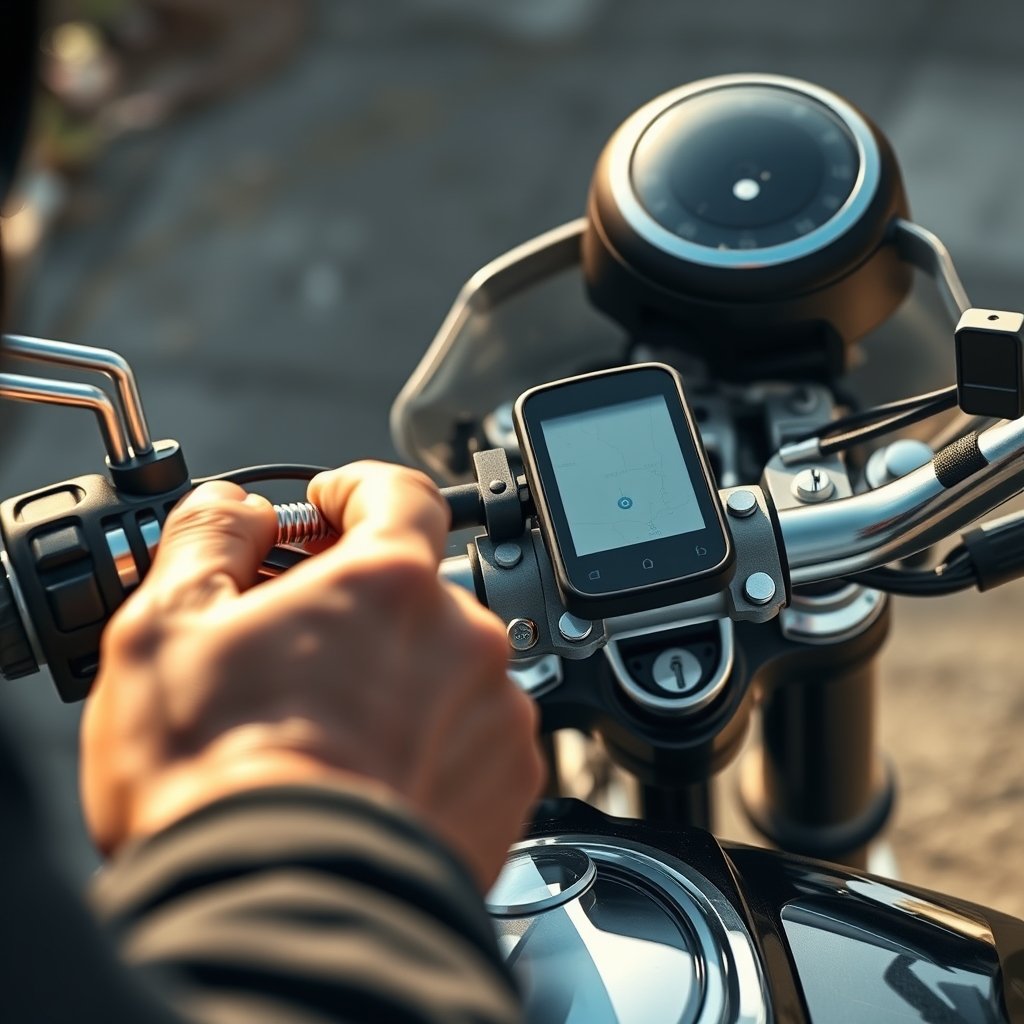
- Opt for a bar clamp, crossbar, or dashboard-mount that fits your motorcycle’s diameter (most ADV bikes are 22mm bars).
- Make sure the chosen mount is rated for waterproofness and features anti-vibration hardware. Universal handlebar mounts add flexibility for custom setups.
- Hard-Wire the Mount to the Accessory Circuit:
- Direct wiring ensures continuous power, prevents battery drain from USB banks, and keeps your GPS topped up even on long or cold-weather rides.
- Use a fused lead and weatherproof connectors—most modern ADV bikes offer a switched accessory output behind the headlight or under the seat.
- Download Offline GPX Maps in Advance:
- Use apps like Gaia GPS or OsmAnd. Download full-regional offline maps (expect 500 MB–1.5 GB per region).
- Store maps and critical tracks on both hardware GPS and backup tablet/phone for immediate redundancy.
- Integrate a Motorcycle Bluetooth Navigation Headset:
- Pair your GPS or phone with a waterproof, helmet-ready Bluetooth headset for turn-by-turn navigation without losing focus on the trail. For a budget-friendly, proven option, try the Cardo Systems Spirit Bluetooth Motorcycle Headset.
- This system keeps your eyes up and your hands on the bars, especially when wrestling deep sand, rocks, or technical sections.
- Test Your Setup Before Your Ride:
- Check device charging, vibration isolation, screen visibility in bright sun, and waterproof integrity.
- Practice loading and following a GPX route or topo track—many navigation missteps happen due to inexperience with the chosen app or unit.
Also, consider pairing your navigation setup with complementary adventure gear:
- Heated vests are perfect for staying warm when multi-day rides drop into cold morning temps.
- Portable camping stoves offer hot meals in remote backcountry when navigation detours keep you out longer than planned.
- Lightweight packable camping gear keeps your setup versatile and ready for unexpected overnight stops.
Advanced Analysis & Common Pitfalls
No system is fail-proof. Here’s a reality check on potential issues, plus a detailed comparison between the main navigation options for serious ADV riders.
| Feature | Rugged GPS Device | Smartphone + Waterproof Handlebar Mount | Rugged Tablet with Offline App |
|---|---|---|---|
| Weatherproof/Vibration Resistance | Excellent (IPX7, MIL-STD-810) |
Variable (depends on mount/case quality) |
Good (with proper case) |
| Screen Brightness/Glove Use | Optimized for sunlight and gloves | Often poor in bright sun Capacitive touch issues with gloves |
Decent (rugged models only) |
| Offline Navigation Support | Yes (native GPX/maps) | Yes (with app & pre-download) | Yes (with app & pre-download) |
| Camera Damage/Vibration Risk | No | High (documented on handlebar phone use) | Low (if device is rugged with anti-vibration mount) |
| Map Update Flexibility | Can be slow; limited to OEM maps unless sideloaded | Very flexible with apps | Extremely flexible |
| Cost | High (> $500) | Low–Medium (case quality varies) | Medium–High (rugged tablets costly) |
Mounting Pitfalls: Using non-anti-vibration mounts or cheap brackets leads to device failures, loose connections, or even the GPS ejecting during rough rides.
Power Issues: Relying on battery-only can leave you stranded with a dead unit. Always hard-wire to the bike’s dedicated accessory circuit.
Offline Map Prep: Many ADV riders forget to download or test offline regions before departure. Cellular coverage is not to be relied on outside urban corridors.
Visibility: If your screen isn’t sunlight-readable, navigation is nearly impossible in direct light. Dedicated ADV GPS units are engineered for this scenario.
Redundancy: Only running a single device (e.g., phone) means you’re one crash, dunk, or dead battery away from zero navigation options. Backup mapping is a must.
Conclusion
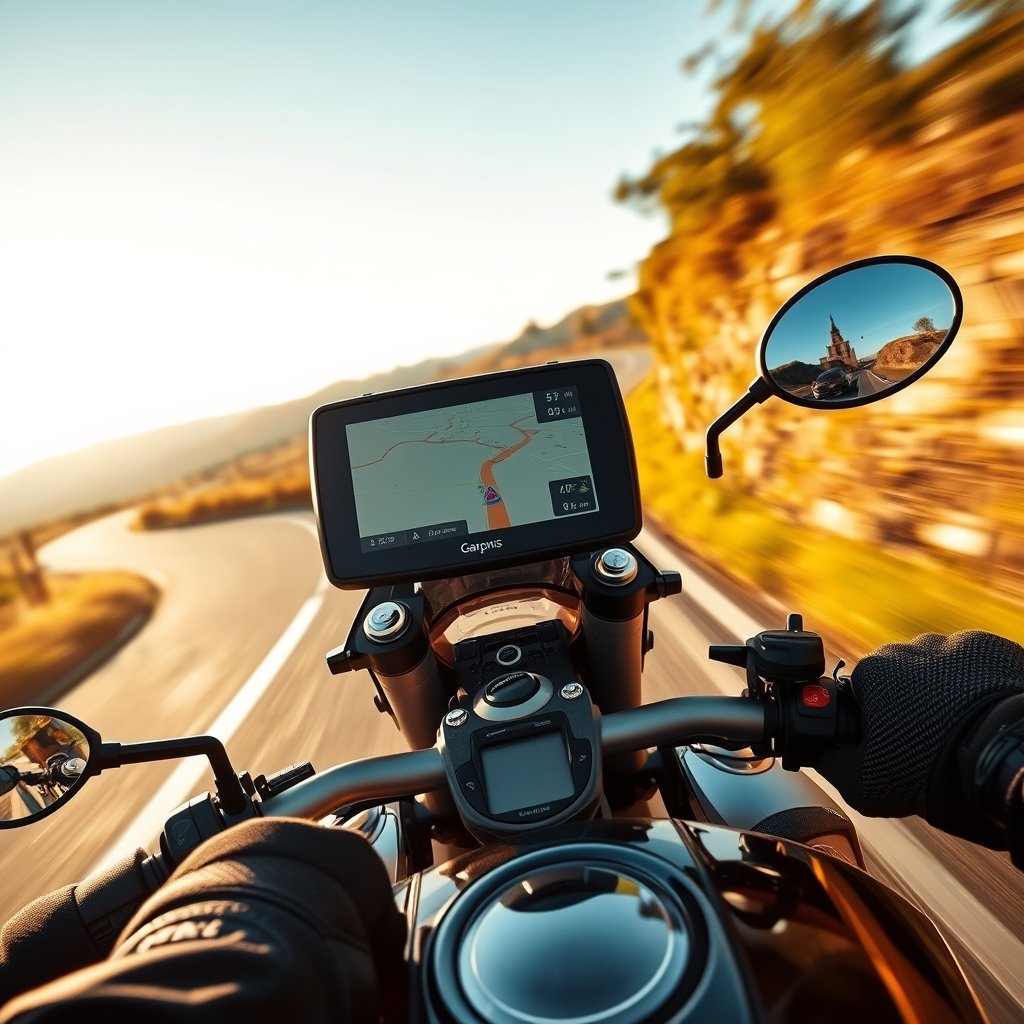
A proper motorcycle GPS navigation mount setup is the cornerstone of safe, efficient adventure riding in remote areas. With robust, field-proven mounts (AMPS-pattern), a dedicated IP-rated GPS unit, and well-prepared offline maps on redundant hardware, you ride smarter and safer. Don’t let a failed mount, water ingress, or lack of signal derail your next journey. Build your ADV navigation system before you venture off the grid—and enjoy confidence on every road, trail, and river crossing.
Ready to upgrade your riding setup? Check out our field-tested picks for rugged action cameras, hearing protection for long days in the saddle, and advanced bike accessories for adventure protection. Gear up and tackle your next adventure the right way.
Frequently Asked Questions
Can I use my smartphone as a motorcycle GPS in remote areas?
You can, but it’s risky. Mounting your daily-use phone—even in a waterproof case—doesn’t fully shield it from persistent vibration, which can damage cameras and internals. Also, phones overheat in direct sun, and aren’t as readable or responsive with gloves. Dedicated GPS units or ruggedized tablets perform far better when cell signal and durability are critical.
What is the AMPS mounting pattern, and why does it matter?
AMPS is a bolt pattern (30mm x 38mm) standardized for GPS and device mounts. It ensures almost any rugged ADV or dual-sport hardware—RAM Mounts, Quad Lock, etc.—will securely fit your bike, withstand rough terrain, and make it easy to upgrade or swap hardware as needed.
How do I ensure my GPS or phone always stays charged on long rides?
Hard-wire your GPS navigation mount to your motorcycle’s accessory circuit with a fused, weather-sealed lead. Avoid relying solely on battery power or USB power banks, which may not last a full multi-day trip.
What offline mapping apps are best for ADV riders?
Gaia GPS and OsmAnd are both proven choices—allowing download of high-resolution offline maps (about 500MB–1.5GB per region) for navigation far from cellular coverage. Always test your maps before heading out.
Why should I pair a Bluetooth navigation headset with my GPS system?
A helmet-integrated Bluetooth headset lets you hear turn-by-turn navigation prompts without looking away from the trail or taking your hands off the bars. This is especially critical for off-road riding, where concentration and line selection matter most.
—