

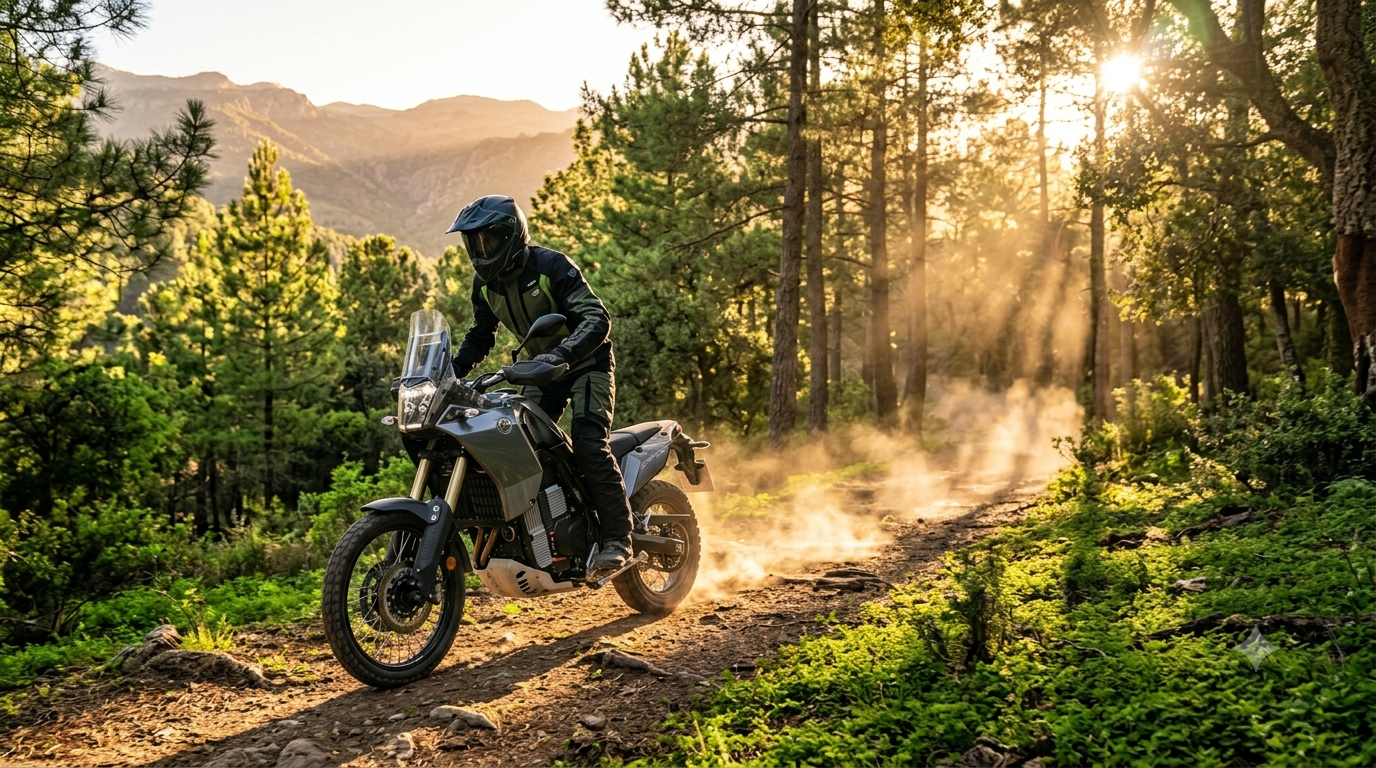
Electric adventure motorcycle models are getting real attention in 2026, but are they really ready to match the all-day versatility of gas bikes for serious adventure touring? As electric ADV options mature, the big questions are range, model selection, and what’s actually practical when you want to get far off the grid. This guide cuts through the hype—here’s what experienced adventure and dual-sport riders must know before switching to an electric ADV bike.
Key Takeaways
- The best electric adventure motorcycle in 2026, like the Energica Experia, can finally rival some gas bikes for range—but only in city conditions, with highway and real mixed touring still limited.
- Current electric ADV bikes offer huge maintenance and reliability benefits, but range anxiety and public charging logistics are still unavoidable for backcountry or cross-country travel.
- If your riding is mostly regional, or you welcome frequent stops, electric adventure motorcycles are now a legitimate, practical option—otherwise, you’ll face real limitations for long expeditions.
Table of Contents
Can Electric Adventure Motorcycles Handle Real Adventure Touring?
Can today’s electric adventure motorcycle seriously go toe-to-toe with gas ADV bikes for multi-day touring, off-grid runs, and rural highways? The answer depends heavily on your range needs and tolerance for planning. The newest electric ADV platforms deliver tangible gains in city commuting and light adventure use, but models like the Energica Experia—boasting up to 261 miles in urban riding and around 106 miles of steady highway—still fall behind traditional gas adventure bikes for extended, high-speed travel. The Can-Am Origin and similar entrants, with 71 to 90 miles of range, make a compelling case for dual-sport rides and short-range exploration, but for riders used to 200-mile fill-ups and cross-state jaunts, electric still requires careful adaptation.
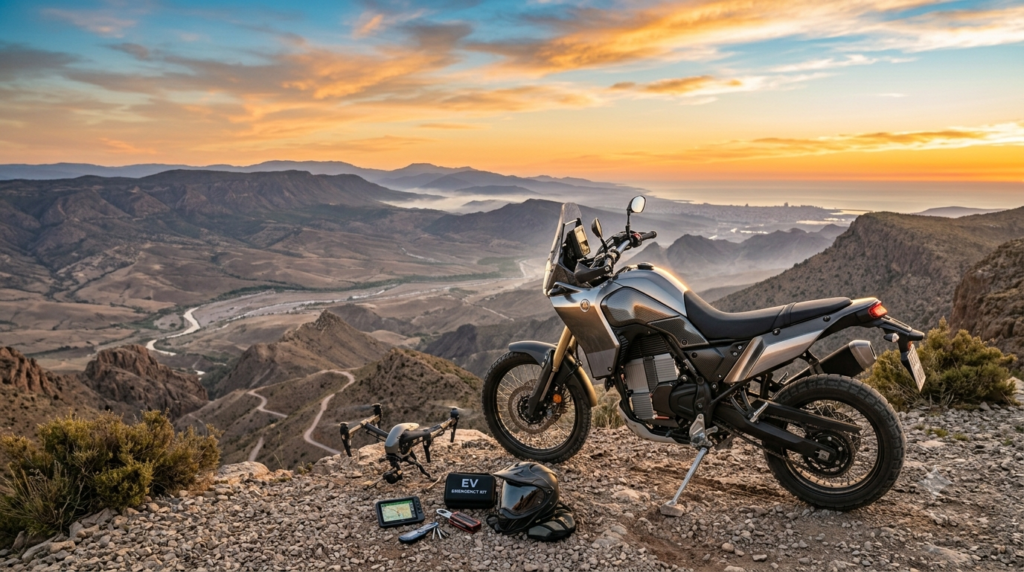
The Leading Electric ADV Bikes for 2026: Models & Range
Before you buy or rent for your big tour, compare the top electric adventure motorcycles side by side, focusing on stats that matter for long-distance riding:
- Energica Experia: 17/22.5 kWh battery, up to 261 miles city, about 160 miles combined, 40-minute DC fast charge. Approx. $29,000. [see data]
- Zero DSR/X: 17.3 kWh capacity, 179 miles city, 107 miles combined, 1-hour DC fast charge. MSRP $24,495. [see review]
- Can-Am Origin: 9 kWh battery, 90 miles city, 71 miles combined, 20-80% charge in 50 minutes. $11,499. [see specs]
- Stark Varg, Sur-Ron Light Bee X, and Can-Am Pulse—all deliver 30 to 120 miles off-road range, depending on terrain.
- Zero SR/F, LiveWire S2 Del Mar: 100 to 113-mile real-world range, best for urban and short-hop touring.
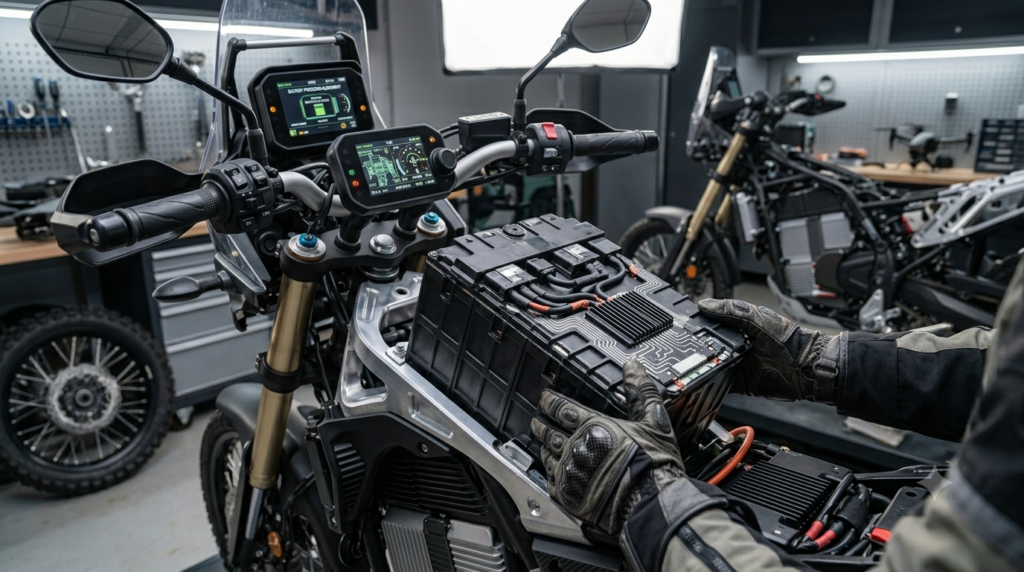
For more on maximizing range and planning for charging on the road, see our in-depth guide on electric adventure motorcycle range.
When comparing the best electric adventure motorcycle 2026, remember to weigh specs such as weight (lower is better for ADV and off-road), battery size, and charge time against your personal touring style. Those seeking a hybrid utility bike might also consider adding gear like a dual fuel portable camping stove for flexible meal prep during charging stops.
If you’re interested in solo camping with your electric dirt or ADV bike, pack smart—see key tips in our motorcycle camping gear guide.
Can-Am Origin Review: Is It a Real Contender for Touring?
Is the Can-Am Origin the electric adventure motorcycle poised to dethrone legacy dual-sports? While it’s one of the most affordable and nimble options at $11,499, there are real-world limitations. With a 9 kWh battery yielding a reliable 71-mile mixed range, it excels at day trips, dual-sporting, or shorter ADV loops. Quick 20 to 80 percent charging in 50 minutes is a highlight—especially at lunch stops or coffee breaks—but you simply can’t rival the quick gas-and-go flexibility of a DR650 or Tenere 700 in vast rural areas.
Real reviewers praise the Origin’s low maintenance, regenerative braking, and quality feel. At just over 400 pounds, it’s truly one of the lightest full-size electric ADV motorcycles around, making it approachable for many. However, the platform’s main critics consistently cite range as the obstacle: While fine for regional adventures and commuting, “long-haul” rides with sparse charging infrastructure remain a real challenge. For a more nuanced breakdown of alternatives, check our recent mid-size adventure motorcycle comparison for 2026.
| Model | Battery (kWh) | Real Combined Range | Top Speed (mph) | Charge Time (20–80%) | MSRP |
|---|---|---|---|---|---|
| Can-Am Origin | 9 | 71 mi | ~80 | 50 min | $11,499 |
| Energica Experia | 17/22.5 | 160 mi | 112 | 40 min | $29,000 |
| Zero DSR/X | 17.3 | 107 mi | 112 | ~1 hr | $24,495 |
| Zero SR/F | 15.2 | ~100 mi | 124 | 1 hr | $20,495 |
For those looking at dual-sport travel, smart gear upgrades—like soft panniers for adventure motorcycles—can offset the lower range and maximize versatility during fast-charging stops on shorter loops.
If your adventures involve rugged trails or technical terrain, don’t miss our essential rally-raid adventure gear tips for enhanced off-road confidence, even with electric power.
Final Verdict: Who Should Buy an Electric Adventure Motorcycle?
If you crave a simple, low-maintenance adventure bike for day trips or mostly urban and regional riding, today’s electric adventure motorcycle models finally deliver a viable, eco-friendly experience—and early adopters will love the new tech and regenerative safety. But if extended, multi-hundred-mile touring with real flexibility is a top priority, most riders will still find range and charging network limitations too restrictive compared to modern gas ADV bikes.
We recommend seriously considering electric if your routes favor developed regions, you want minimal maintenance, and you’re comfortable planning charging stops in advance. Those who need true cross-country or remote wilderness capability will likely want to wait for the next generation. Watch for ongoing improvements in battery density and charging network coverage by 2028 to close the gap.
Want maximum range for your next adventure? See our comprehensive electric adventure motorcycle range guide for the best ways to push your limits on two wheels.
Ready to explore your electric ADV future? Start by test-riding the Energica Experia or the Can-Am Origin—then share your real-world feedback below!
FAQs
What’s the real-world touring range for an electric adventure motorcycle in 2026?
Models like the Energica Experia can deliver up to 160 miles combined, while the Zero DSR/X hits about 107 miles. The Can-Am Origin manages around 71 miles. For electric dirt bikes off-road, expect 30 to 120 miles depending on conditions.
How long does it take to charge an electric ADV bike on the road?
Most modern electric ADVs use DC fast charging to reach 80 percent in 40 to 60 minutes. The Can-Am Origin can charge from 20 to 80 percent in about 50 minutes on Level 2. Always verify that fast-charging locations support motorcycles before relying on them mid-route.
Are electric ADV motorcycles reliable for remote touring?
Electric ADV bikes have fewer moving parts, needing far less maintenance than gas bikes, improving reliability for daily and regional rides. However, range and finding reliable charging—especially off-grid—are still major touring challenges.
How does the cost of ownership compare?
Upfront prices are higher, especially for premium models like the Energica Experia, but electricity costs and service bills are much lower. The Can-Am Origin, at $11,499, offers budget-friendly entry with minimal ongoing expenses.
Is it possible to do electric dirt bike touring off-grid?
It’s possible for short loops using portable or generator charging (or swapping packs), but sustained, multi-day off-road ADV touring is still difficult due to range and recharge time. See more in our electric ADV bike range guide for practical strategies.
—