
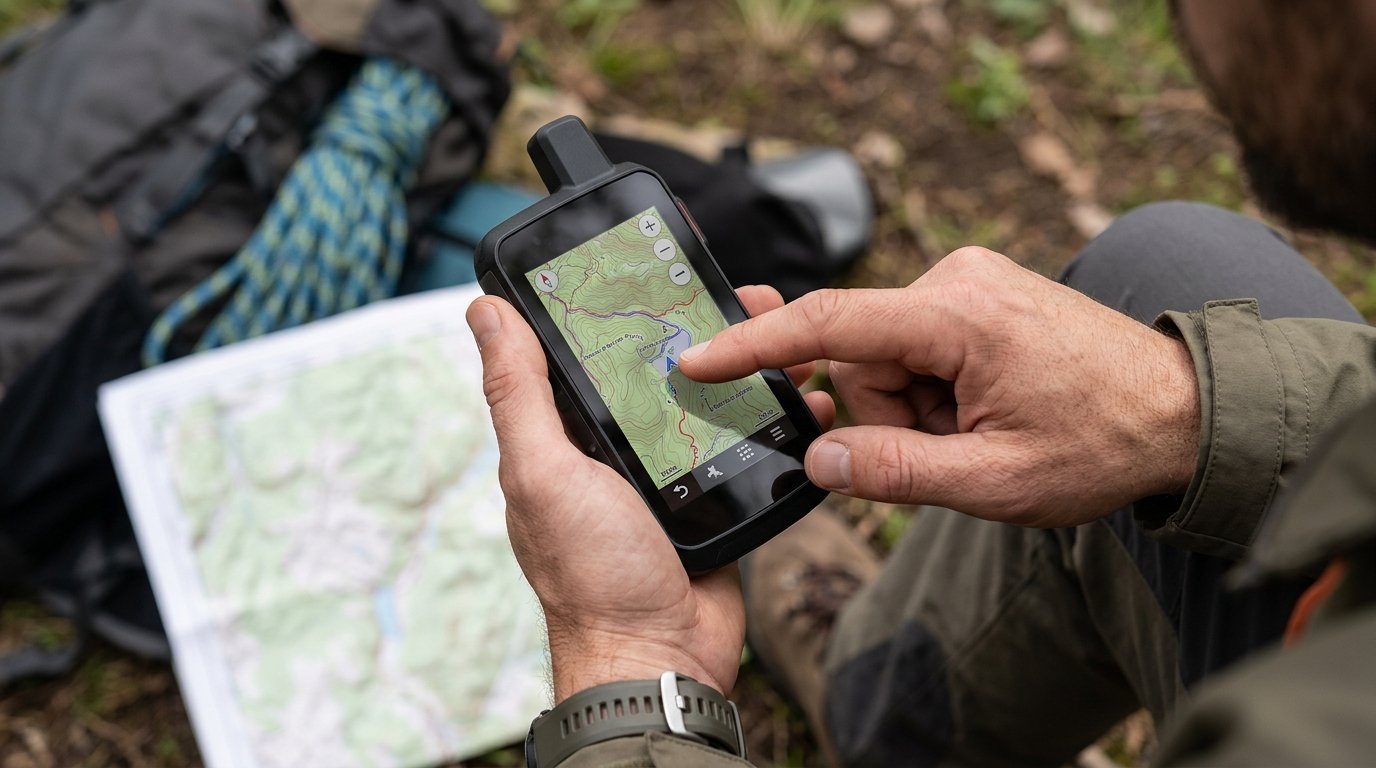
GPS satellite tracker for remote travel is the lifeline every solo adventurer depends on when exploring places where phones fail and help could be days away. If you travel deep into the backcountry—hiking, paddling, or overlanding—relying on cell coverage or untested gadgets is risky. Choosing the right satellite SOS device could save your life and makes all the difference between a confident trip and avoidable disaster.
Key Takeaways
- A GPS satellite tracker for remote travel gives you reliable SOS, GPS tracking, and location sharing far beyond cell reception—essential for safety-conscious solo travelers.
- Personal Locator Beacons (PLBs) offer simple, no-subscription SOS but lack message updates; two-way satellite messengers like Garmin inReach and ZOLEO offer live messaging and added features for ongoing support.
- Your choice depends on real independence: Garmin inReach works solo without a phone, delivers built-in weather and full messaging, while ZOLEO costs less with longer standby but needs your phone for most functions.
Table of Contents
Why You Need a GPS Satellite Tracker for Remote Travel
When you step off the grid—crossing wild trails, climbing mountains, or paddling remote rivers—a smartphone is no safety net. A GPS satellite tracker for remote travel is the only way to guarantee your ability to call for help, no matter where you roam. Unlike phones, these devices link directly to satellites. This means you always have access to location-based tracking and emergency SOS functions long after signal bars vanish.
Emergency satellite communicators can literally mean the difference between life and death if plans change or something goes wrong. Medical emergencies, injury, broken gear, or simply being lost—all demand a way to reach rescue services immediately.
According to The Outdoor Warehouse: “Whether you’re backpacking deep in the wilderness, camping off-grid, or hiking remote trails, these satellite communicators and emergency beacons deliver reliable GPS tracking and SOS signaling when it matters most.”
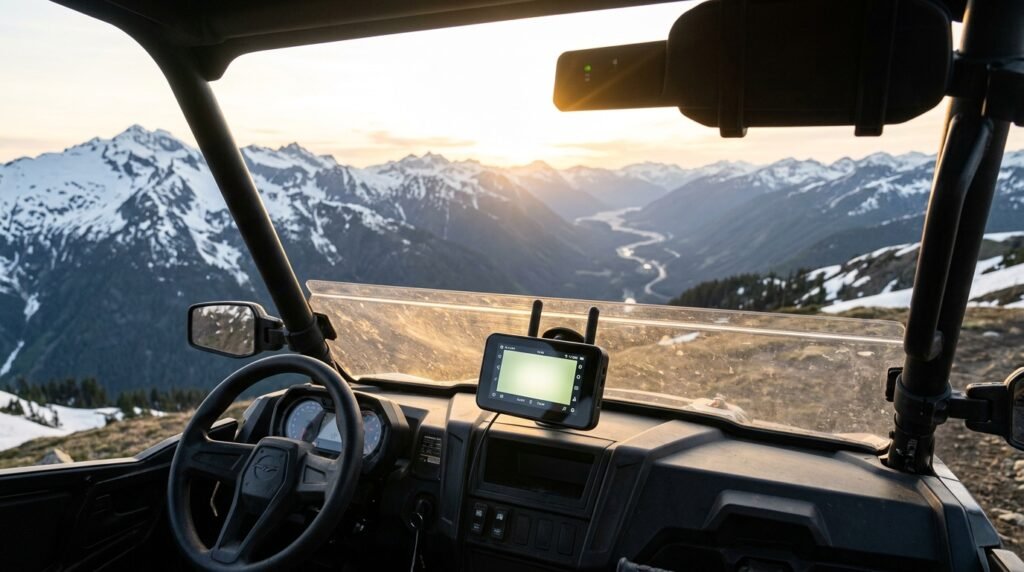
Comparing Key Devices: Satellite Messengers vs. Personal Locator Beacons for Solo Travel
How do you choose between a personal locator beacon for solo travel and a modern two-way satellite messenger? Here’s how the options stack up, so you can make a decision based on real use, not just specs.
Personal Locator Beacons (PLBs): Simple, single-use distress devices. Press the SOS button, and your location is beamed to global emergency services. No messages, no check-ins, no updates for friends. No subscription is needed, but you’ll get zero two-way communication.
- Best for: Those who want absolute simplicity and “just in case” rescue with near zero maintenance.
- Cons: No way to cancel a false alarm, confirm help is on the way, or send “I’m OK” updates to loved ones.
Two-Way Satellite Messengers: Devices like Garmin inReach and ZOLEO combine emergency SOS features with the ability to send and receive messages—even detailed updates or real-time GPS tracking links to trusted contacts. These require a paid subscription but allow for regular check-ins, location sharing, and in some cases, weather forecasts and routing.
- Best for: Solo adventurers who want full independence, regular check-ins, and flexibility if plans change.
- Cons: Subscription cost required; some models rely on your smartphone for core features.
As noted by The Outdoor Warehouse: “Devices like Garmin inReach, ACR, SPOT, and ZOLEO combine precision technology, rugged design, and two-way satellite communication to keep solo travelers safe far beyond cell range.”
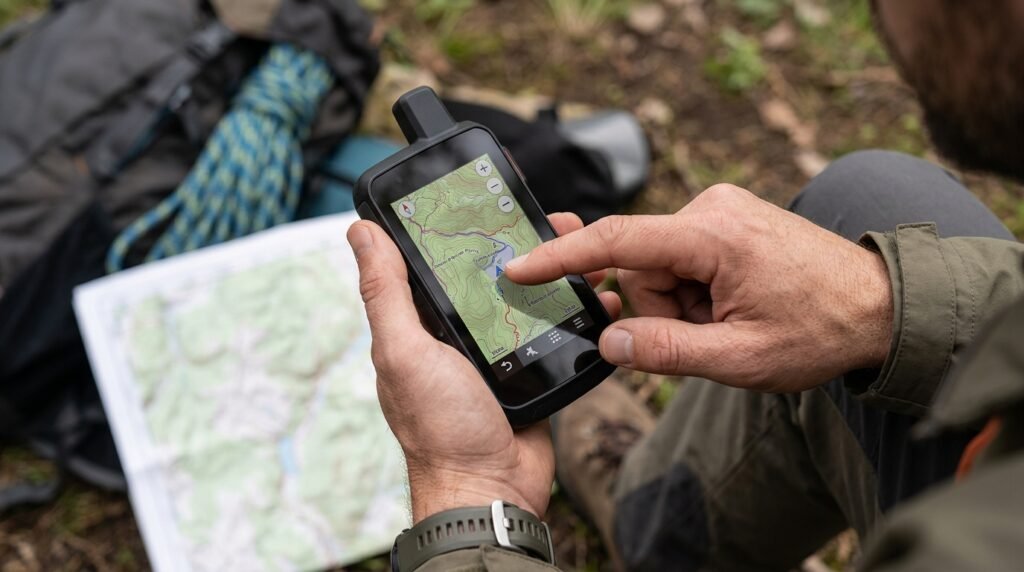
If you’re planning a multi-night trek, overland moto ride, or solo paddle, a two-way satellite messenger usually delivers the best balance of safety and flexibility. For general backpacking safety, you might also want to check our review of heated vest options for cold-weather safety, or go prepared with a reliable camping stove for emergencies.
Garmin inReach vs ZOLEO: Which Is Better for Off-Grid Adventures?
Let’s look directly at Garmin inReach vs ZOLEO—the two most popular satellite messenger for off-grid trips. Here’s what every safety-minded traveler should know before buying:
| Feature | Garmin inReach (Mini/Mini 2) | ZOLEO |
|---|---|---|
| Weight | ~100g | ~150g |
| Water/Dust Rating | IPX7 (1m, 30min) | IP68 (1.5m, 30min) |
| Battery Life | ~90h (10-min tracking) | 200h+ standby |
| Messaging | On-device + phone app. Interactive, two-way | Requires phone/app for most chat; check-in only on device |
| Weather Forecasts | Yes (global, on-device) | No on-device; phone internet needed |
| SOS Alerts | Two-way; interactive status | Unlimited SOS, two-way via app |
| Subscription Cost | ~$16/month (basic) | ~$25/month (basic) |
| Price | ~$300 | ~$200 |
| Phone Required? | No (full operation independent) | Yes (for most features) |
Some of the most common pitfalls with satellite trackers include:
- Relying on a smartphone: If your phone dies or gets wet, some devices (like ZOLEO) lose all messaging capabilities except an SOS alert. Always have a backup battery (battery charger guide).
- Subscription surprises: Both devices require monthly or annual plans. If you cancel or suspend, you may lose stored emergency contacts or messaging features until reactivated.
- Satellite blind spots: Dense tree cover, canyons, or heavy storms can make getting a clear signal tough. Always move to open ground before sending SOS or location checks.
- Cumbersome navigation: Typing long messages on device buttons (Garmin) is slow. Use the phone app when possible, but also learn to type quick preloaded texts for true emergencies.
- Charging quirks: ZOLEO still uses older Micro-USB. If you rely on USB-C for your other electronics (like action cameras or vests), pack the right cable to avoid headaches (see latest outdoor camera tech for USB-C compatibility).
Treeline Review points out: “The inReach Mini weighs about 100g, is IPX7 rated (1m water for 30min), and offers about 90h in 10-min tracking mode, while ZOLEO is IP68 (1.5m for 30min) and advertises over 200h standby life; both require subscriptions and global Iridium coverage, but only inReach offers on-device texting and weather forecasts.”
Choosing the Best SOS Device for Solo Adventure: What Matters Most?
For solo adventure, you want an sos device for solo adventure that delivers practical benefits without unnecessary hassle—or dangerous weak spots. Here’s how to match the right feature set to your personal needs:
- Independence: If using a device without your phone is a must, the inReach is the clear winner. It also shines for weather forecasting and real-time location sharing under any conditions.
- Battery Life: ZOLEO’s extreme standby (200h+) is unbeatable for month-long trips or infrequent use. The inReach still lasts a week of typical tracking—but needs more frequent top-ups if you message often.
- Budget Friendly: ZOLEO wins on purchase price ($200) and straightforward subscription plans, while inReach is a bigger up-front investment but offers more robust features.
- Weather Savvy: Only inReach delivers weather direct via satellite—no phone or cell needed—a huge bonus for solo travelers facing fast-changing conditions.
- Durability: Both are tough, waterproof, and built for real adventure. ZOLEO’s IP68 rating edges ahead for long river trips or paddling expeditions.
- Check-Ins & Messaging: On-device check-in is crucial for travel where your hands are full, your gloves are on, or your phone may be lost. Garmin inReach can do everything standalone.
As summarized in our research: “The inReach operates fully without a phone, offers interactive SOS, real-time location sharing, and built-in weather; ZOLEO requires a smartphone for most features but provides longest standby time and unlimited SOS alerts.”
More solo trip safety tips? Enhance your kit with mosquito repellent when trekking in bug-heavy zones, and don’t forget about proper lightweight camping gear for solo motorcycle adventures.
Final Recommendation: The Best GPS Satellite Tracker for Your Next Solo Journey
So, which GPS satellite tracker for remote travel should you pack?
- Garmin inReach is best for remote travelers who demand one-device independence, direct on-device texting, real-time weather, and flexible mapping—especially when your phone may be lost, dead, or soaked in a rainstorm. It costs more and runs shorter than ZOLEO on standby, but nothing beats its standalone reliability and confidence for true solo adventure.
- satellite SOS device is perfect if you’re mainly after the peace of mind of SOS and regular messages, plan to always have a charged phone, and want a device that lasts a full month on standby. It’s more budget friendly and a strong choice if you can live without on-device messaging or weather direct from satellites.
To summarize: “Garmin inReach is preferred by solo adventurers needing mapping, weather data, and fully independent operation, despite higher price and shorter battery life; ZOLEO suits those wanting low cost, longest standby, but can manage with a paired phone and no satellite weather.”
For extended or technical trips, back up your safety kit with electronic earmuffs for hearing protection, and check out solo motorcycle adventure safety tips for even more pro-level planning.
Whatever your sport or destination, do not leave without a GPS satellite tracker for remote travel picked specifically for your style of adventure. Your next trip—and your life—could depend on it. Choose your device today and travel with true confidence.
Frequently Asked Questions about Emergency Satellite Devices
How does the SOS process work on these devices?
Both Garmin inReach and ZOLEO offer a dedicated SOS button that directly contacts a 24/7 emergency response center via the Iridium satellite network. InReach offers two-way SOS chat directly on the device, so you can share details and receive updates. ZOLEO’s SOS is confirmed via its mobile app; if your phone is lost, you can still send an SOS alert from the device, but message updates need the app.
Do I need a subscription to use a personal locator beacon for solo travel or satellite messenger?
Personal Locator Beacons (PLBs) do not require a paid subscription for SOS functionality but cannot send messages or share live locations. Satellite messengers like inReach and ZOLEO need an active subscription for full features like tracking, two-way messaging, and interactive SOS.
How durable are these SOS devices for solo adventure—can they handle water and tough conditions?
Both inReach and ZOLEO are rugged and waterproof—Garmin is rated IPX7 (1 meter immersion) and ZOLEO is IP68 (1.5 meter immersion). They’re designed for harsh weather, river crossings, and dusty trails. Just keep charging ports clean and close the USB cover after charging to maintain waterproofing.
Can I get weather forecasts on these satellite messengers?
Garmin inReach includes built-in satellite weather forecasts sent directly to the device, even when out of cell range. ZOLEO does not offer satellite-based forecasts—weather updates require your phone and a cellular or internet connection.
Do these devices work everywhere in the world?
Both devices use the Iridium satellite network, which offers truly global coverage including remote deserts, mountains, oceans, and polar regions. Check for sky visibility—dense trees or canyons may delay sending messages.