

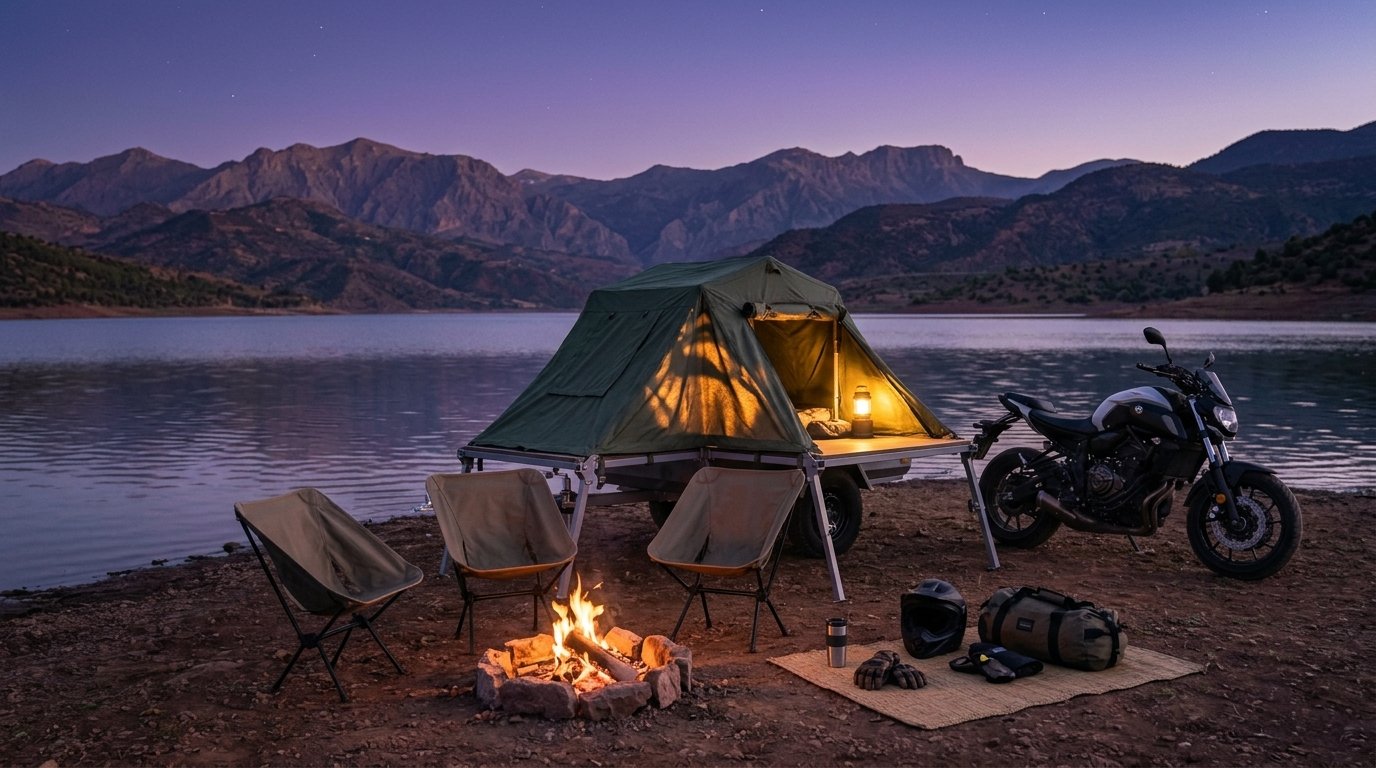
Motorcycle tent camper shelters have changed the way adventure riders tour—if you’re tired of unreliable gear and want a waterproof, ultra-packable tent that can handle downpours and bumpy miles, you’re in the right place. This guide cuts through the fluff and explains exactly which motorcycle tents deliver, how to choose, and real-world tips for staying dry across any route.
Key Takeaways
- Weight, packed volume, and waterproofing are the most critical factors when selecting a motorcycle tent camper for touring.
- Ultralight freestanding tents and garage-style “moto tents” both have tradeoffs; match your tent to your priorities and riding style.
- Reliable, real-world waterproofing and quick setup are non-negotiable for motorcycle camping comfort and safety.
Table of Contents
Why Standard Tents Don’t Work for Motorcycle Camping
Regular camping tents rarely meet the unique demands of motorcycle touring. Weight must be kept under 2.5kg so tents can be securely mounted on panniers or luggage racks without upsetting bike balance. Most traditional tents are simply too heavy, bulky, or slow to set up. Riders need compact, purpose-built shelter that packs to the size of a loaf of bread and unfolds into a waterproof home, no matter where you stop.
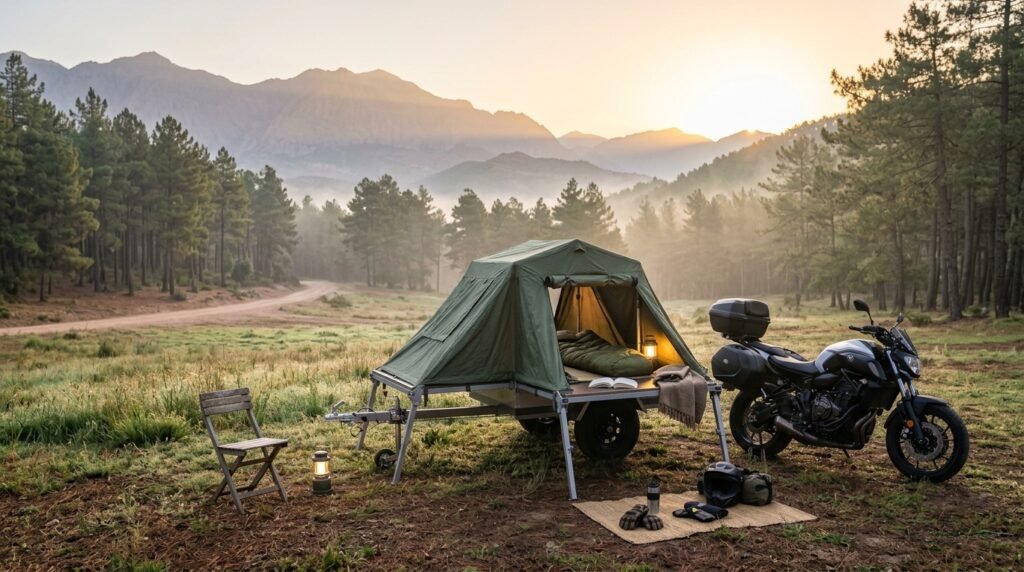
Unpredictable weather, tight camp spots, and tired muscles after a long ride make quick pitch, real waterproofing, and true freestanding design essential. A good motorcycle camping tent must handle bad ground, stacking rain, and quick getaways with zero hassle. Most “car camping” models just won’t deliver when you’re on two wheels.
What Makes a Great Motorcycle Tent Camper?
Choosing a motorcycle tent camper isn’t about what looks cool—it’s about fitting your real riding life. Here’s what matters most for adventure riders:
- Lightweight and Compact: Always keep pack weight and volume low. Ultralight tents (well below 2.5kg) are easier to secure and won’t strain your suspension.
- Waterproofing: Look for hydrostatic coatings rated at least 3,000-6,000mm. Fully taped seams and bathtubs are a must. Some premium moto tents—like the Lone Rider MotoTent—offer a whopping 10,000mm waterproof rating.
- Easy Setup: Freestanding frames eliminate the need for perfect ground. Clip poles are faster than sleeve designs. You want to set up (and tear down) fast, especially after a long day on the bike.
- Packability: Choose tents designed to fit motorcycle panniers or narrow rear racks. Avoid awkward lengths or bulky stuff sacks.
- Durability: Ultralight doesn’t mean fragile—look for reinforced stress points, proven pole materials, and weather-resistant zippers.
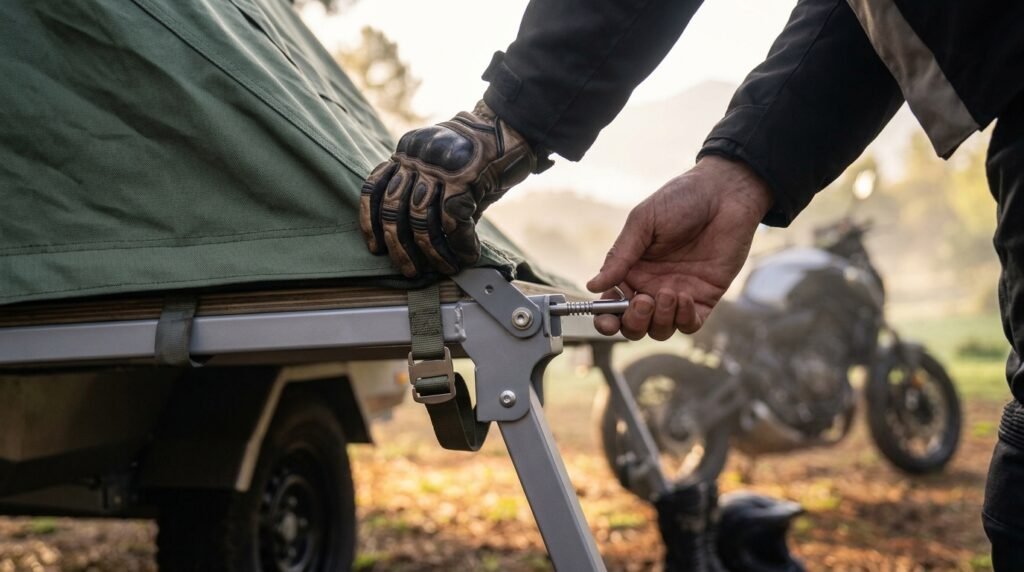
Key tip—Don’t chase the lowest weight if you camp in severe weather or off-road locations. Sacrificing all protection for grams rarely pays off. Prioritize real waterproofness and strong main poles for resilience.
For night warmth on chilly rides, smart layering helps. Check out this heated vest review for a true cold-weather solution.
The Top Lightweight Motorcycle Camping Tents in 2025
Below are real-world proven picks for 2025, balancing weight, durability, price, and real waterproof performance. Each tent has been selected based on user testing and spec upgrades over previous generations.
| Model | Type | Weight | Packed Size | Waterproof Rating | Special Feature |
|---|---|---|---|---|---|
| Big Agnes Copper Spur UL2 (2025) | Ultralight Bikepacking | <2lb (<900g) | “Loaf of bread” | 5000+ mm | HyperBead fabric, compact fork pockets |
| Big Agnes Fly Creek HV UL2 | Ultralight Freestanding | Just over 2lb | Very compact | 5000-6000 mm | 28sqft floor, strong for wind |
| Lone Rider MotoTent | Garage/Moto Shelter | 6.42kg | 60x20cm | 10,000 mm | Dedicated bike vestibule |
| Alpkit Ultra 1 | Ultralight Minimalist | 0.363kg | Tiny | 3000 mm | Budget true ultralight |
| Mier Lanshan 2P | Ultralight Trekker | Under 3lb | Small, compressible | Solid, sil-nylon | Excellent wind resistance for price |
| Vango Nevis 200 | Budget All-rounder | Lightweight | Small | Good (rated for UK downpours) | Under £100 |
Read owner experiences and reviews from real adventure rides for each model before deciding. The Big Agnes Copper Spur UL2 and Vango Nevis 200 consistently rate highest for weight and waterproofing, while the Lone Rider MotoTent is unmatched for riders who want their bike sheltered too.
For more comprehensive gear checks, see our full moto camping gear guide.
Garage-Style vs. Ultralight: Choosing the Right Shelter Type
Should you pick a classic lightweight moto tent, or go all-in with a premium garage-style setup?
- Ultralight/Freestanding Tents: Ultra-packable. Quick to set up solo anywhere. Ideal for riders who pack fast, change campsites daily, or tour off the grid. Downside? No secure (or dry) space to stash your bike.
- Garage/Moto Tents: These provide a weatherproof vestibule—fully shelter your motorcycle, wet gear, and boots out of sight. If you regularly ride in heavy rain, remote locations, or value extra privacy, the added weight and size are often justified. Downsides: Heavier (6-8kg is not unusual), costlier, takes up more luggage space.
The Lone Rider MotoTent is a top performer here: 6.42kg, full-standing height, real vestibule for your bike, taped seams, and packed size of 60x20cm. Outstanding for long expeditions, but overkill for most weekenders.
Practical note: Check that your luggage system (see our ADV soft pannier guide) can accommodate either tent style before you invest.
Budget-Friendly Waterproof Motorcycle Tents
Not every rider needs a $500 tent for weekend overnighters. There are budget lightweight motorcycle tent options that don’t risk soggy gear or hour-long setup.
- Vango Nevis 200: Under £100. Quick pitch, light, small pack size, genuinely waterproof. An excellent backup or starter tent for unpredictable weather [8].
- Alpkit Ultra 1: 363g, 3000mm waterproof rated. Minimalist, but one of the lightest tents available. Ideal for solo travel where space and weight trump comfort.
- Mier Lanshan 2P/Soul: Just over 2lb. Minimal design but impressively robust for the price. Sil-nylon fly and bathtub floors to keep heavy rain at bay.
Don’t overlook secondhand or last-season deals on premium models—light use hardly wears these down if you store them dry.
If you need to stretch every dollar further, pair an ultralight tent with a smart compact camping stove for a full minimal adventure setup.
Quick Guide: How to Pack and Set Up Your Motorcycle Camping Tent
Packing and pitching your tent efficiently after hours in the saddle is a crucial skill. Here’s the reliable, fuss-free approach used by experienced overlanders:
- Dry Bag Everything: Pack your tent, fly, and poles in separate dry bags to minimize moisture transfer from wet grounds to your gear.
- Pole Storage: Store tent poles along the bike’s frame or in pannier side pockets; this frees space in your main luggage bag.
- Order of Operations: Pitch the fly first in heavy rain, then quickly add the inner body—keeps everything dry. Most freestanding tents allow this with a clip or hub system.
- Practice Setup: Time yourself at home before ever needing shelter on the road. Quick setup comes from muscle memory, not just clever design.
- Quick Takedown: In the morning, shake off dew and pack the tent loosely. Give it a full dry-out at the next sunny stop.
All top tents in this guide are designed for rapid motorcycle tent setup. That means after a long ride, you can have shelter up in minutes—even in the dark or rain. For ideas on overall camp organization (including camp kitchen and power tips), check this overland kitchen setup guide.
Final Tips: Staying Dry and Comfortable on Any Route
Even the best waterproof motorcycle tent needs smart use and a bit of technique to keep you genuinely dry and rested:
- Site Selection: Never camp at the lowest point; even waterproof floors can fail if water pools underneath. Aim for slightly raised, flat sites whenever possible.
- Footprint Upgrade: Carry a lightweight groundsheet. It extends floor life and adds an extra barrier against sharp rocks and standing water.
- Simple Upgrades: Use a small emergency tarp to extend your porch/vestibule space for boots or dripping gear.
- Check Waterproofing: Annually refresh DWR coatings on tent flies—factory coatings (5,000-10,000mm) last, but UV and use degrade them over time. Seam-seal as needed.
- Packing Wet: If you have to pack in the rain, keep body and fly separate, and shake out as much water as possible. Dry everything thoroughly at your next stop.
Investing in a real waterproof motorcycle tent makes or breaks a ride—don’t settle for less.
See our motorcycle overlanding checklist for other gear and packing upgrades to further improve your touring experience.
Conclusion
The best motorcycle tent camper shelters are designed for exactly what real riders face—erratic weather, tight luggage space, and fast, one-person setup anywhere. Focus on true waterproofing, keep weight and packed size down, and pick features that match your own routes and riding style. The motorcycle tent camper you choose will decide whether your camp is a dry refuge or a source of misery. Invest in proven gear, practice setup, and enjoy the freedom of touring—rain or shine.
Ready to upgrade your shelter? Research the tents above, check specs against your bike’s luggage, and always do a test run. Share your tent camper experiences—or your horror stories—in the comments below!
FAQ: Motorcycle Tent Camper
What is the ideal weight for a motorcycle tent camper?
Ideally, a motorcycle tent camper should weigh under 2.5kg to ensure easy loading, safe handling, and minimal impact on your bike’s suspension and performance. Some ultralight options are well below this mark, while garage-style tents will be heavier but offer more space.
How important is waterproofing for a motorcycle tent camper?
It’s essential. Always look for a hydrostatic rating of at least 3,000mm (preferably 5,000-10,000mm for extended wet rides) and fully taped seams. Weather can change in minutes on tour, and cheap tent coatings often fail under real storms.
What tradeoffs should I expect with ultralight tents?
Ultralight tents save weight and pack smaller, but can sacrifice interior space, vestibule coverage, and sometimes long-term durability. Minimalist tents may not give much room for gear. Make sure the tent you choose meets your comfort needs for actual route length and weather conditions.
How can I make setup and takedown faster?
Practice your tent setup at home before touring, and use separate dry bags for the tent, fly, and poles. Freestanding tents with clip-in poles are much faster than sleeve styles. Stow the poles outside your main luggage for fast access at camp.
Do I need a garage-style moto tent to protect my bike?
No, but garage-style tents are worthwhile if you often camp in heavy weather, want extra privacy, or keep gear dry and secure. They’re heavier and larger when packed. Many riders do fine with ultralight two-person tents and a small tarp for the bike if needed.