
Off-road motorcycle shopping can be confusing, especially when websites throw around dual sport, adventure, and trail bike terms as if everyone knows the difference. Let’s cut through the clutter—here’s exactly what you need to know if you want a dependable, road-legal bike for city commutes, weekend trails, or even longer adventures. This guide is built for real-world riders who want versatility and safety from their first two-wheeled purchase—minus the jargon.
Key Takeaways
- Dual sport motorcycles balance everyday commuting safety with true trail capability, making them the best first choice for new riders who want adventure and practical use.
- Picking a light, manageable bike (ideally under 350cc and around 300 pounds) is safer and helps build real off-road skills before stepping up.
- Models like the Honda CRF300L, Kawasaki KLX300, and Suzuki DR-Z400S excel for beginners, offering reliability, comfort, and proven value on and off pavement.
Table of Contents
Off-Road Motorcycle vs. Dual Sport Motorcycle: What’s the Real Difference?
The biggest difference between an off-road motorcycle (such as a motocross or enduro bike) and a dual sport motorcycle comes down to legal equipment and real-world usability. Off-road motorcycles are built for pure dirt use—lightweight, stripped-down, and often tuned for maximum agility or power with no street equipment. You cannot legally ride one on public roads without major (and sometimes impossible) modification.
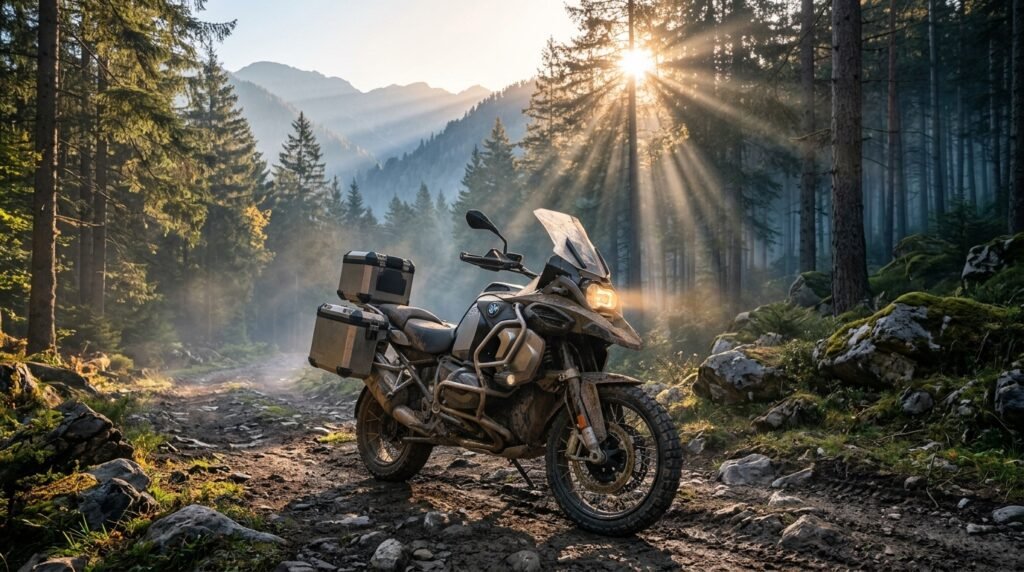
A dual sport motorcycle, on the other hand, starts as a dirt bike but adds everything needed for street use: turn signals, mirrors, headlights, a road-registered engine (usually between 200cc and 450cc), emissions controls, and DOT-approved tires. The result is a motorcycle that can legally handle both city streets and challenging trails. According to industry guides, “A dual-sport motorcycle is essentially a street-legal dirt bike, with enough suspension travel (about 8–10 inches) and ground clearance to tackle light to moderate trails, making it the most forgiving option for beginners.”
So, if you want to commute, explore fire roads, and ride the local trails on the same machine, dual sports deliver. Pure off-road bikes shine only for racers or those with private trail access—and you’ll need a trailer or truck to transport them legally.
Why Dual Sport Motorcycles Are the Smart Choice for Most Beginners
Trying to learn off-road skills or city navigation on a heavy adventure bike (over 400 pounds) is a classic rookie mistake. Beginner off-road motorcycle buyers are safest and happiest on something manageable that lets them stick a foot down, pick up the bike solo, and ride home—rain or shine. Here’s a practical path for your first dual sport adventure:
- 1. Assess Your True Needs: Ask yourself—Will you be riding streets daily? Hitting dirt on weekends? Doing long trips, or mostly short commutes? Write this down. Dual sports are best for riders who want both.
- 2. Prioritize Light Weight and Suspension: Many sources—including experienced instructors—warn, “The biggest mistake new adventure dual-sport riders make is attempting to learn off-roading on heavy motorcycles, over 400 lb. or 180 kg.” Stick to lighter bikes—your body (and wallet) will thank you.
- 3. Confirm Road Legality: Check that the motorcycle has a title/registration, lights, horn, mirror, and DOT tires. Avoid “off-road only” or “closed course competition” bikes for public road use. Not sure? Brands and guides can clarify for your state or country.
- 4. Shop for Used and New: Don’t overspend on your first ride. Used dual sports hold their value and often come with upgrades (handguards, bash plates, heated vests—see this heated vest review for cold weather riding outfits).
- 5. Gear Up: Every mile counts, and so does safety—invest first in a properly fitting helmet, gloves, jacket, and boots. Consider dual sport helmet options for road plus trail versatility. Add an electronic earmuffs system for long rides and hearing protection.
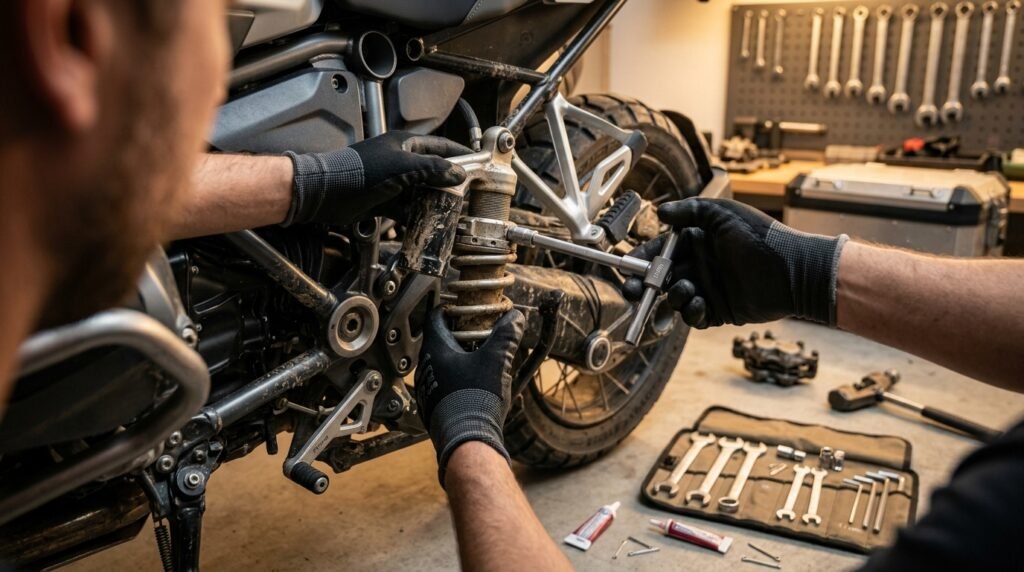
Why not start with an adventure bike? While midsize ADVs have their place, they’re less forgiving (heavier, taller) and more expensive to repair when dropped during beginner off-pavement shakedowns. For most new riders, dual sports translate street learning directly off road—with no step backward.
Don’t overlook both psychological and physical fatigue. Lighter bikes are easier to pick up solo, need less room to maneuver, and keep mistakes affordable. Many experienced off-roaders recommend dual sport motorcycles as a foundation before moving up to larger adventure machines, such as those covered in our ADV bike for new riders guide.
Best Off-Road and Dual Sport Motorcycles for Beginners [2025 Guide]
Here’s a ranked, realistic short list of dual sport and road-legal off-road motorcycle options, with pros, cons, and what type of rider they suit. All are worth considering as a first or second bike, but none are perfect—in practice, fit, weight, and seat height are often the biggest factors.
| Model | Engine (cc) | Wet Weight | Seat Height | Trail Rating | Pro/Con |
|---|---|---|---|---|---|
| Honda CRF300L/300LS | 286 | ~308 lbs | 34.7 in (LS: 32.7 in) | Light/Medium | + Smooth, forgiving; – Modest power |
| Kawasaki KLX300 | 292 | 302 lbs | 35.2 in | Light/Medium | + Good suspension; – Tall seat for shorter riders |
| Suzuki DR-Z400S | 398 | 317 lbs | 36.8 in | Medium/Difficult | + More grunt; – Heavier/taller for beginners |
| Yamaha WR250R | 250 | 295 lbs | 36.6 in | Medium | + Peppy, well-reviewed; – Pricey/rare used |
| KTM 690 Enduro R | 693 | ~350 lbs | 35.8 in | Medium/Difficult | + Serious power; – Expensive/intimidating for new riders |
The Honda CRF300L and Kawasaki KLX300 are the standouts for most new riders—they have just enough power for highway riding, are easy to handle in traffic, and won’t intimidate you on dirt. The Suzuki DR-Z400S adds torque and durability if you want to tackle tougher trails after learning the basics. You can find direct comparisons and in-depth reviews for these models in specialist dual sport roundups.
All these bikes accept real-world accessories, like soft luggage for ADV rides, smart battery chargers, and Bluetooth headsets for trips or commuting. Avoid jumping to larger ADV bikes straight away—practice and graduate as your skills demand.
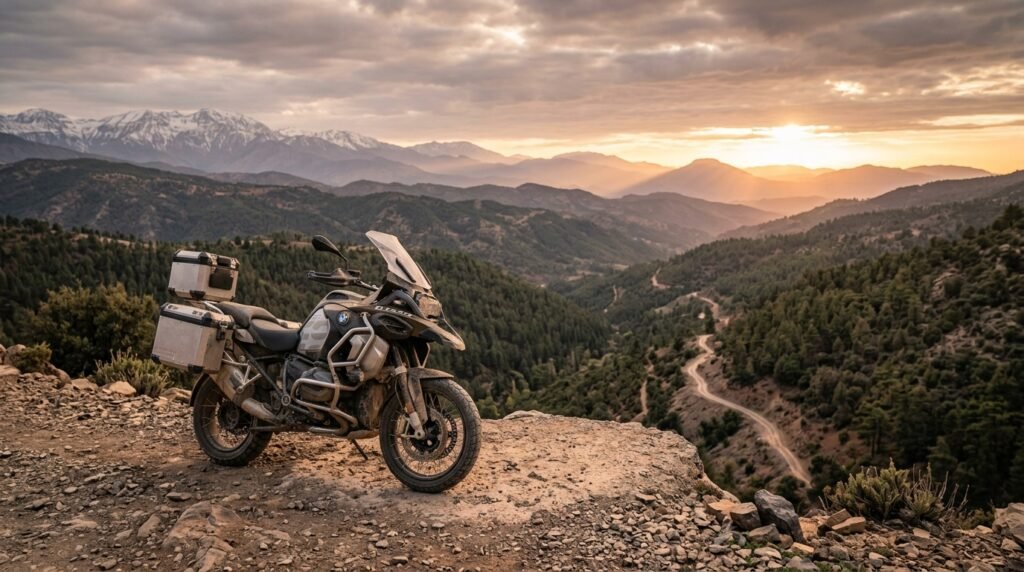
Key Considerations When Choosing Your First Dual Sport or Off-Road Motorcycle
Buying a dual sport adventure bike isn’t about going big. Here’s how to avoid the most common mistakes, and what specs matter for real-world riding:
- Suspension and Seat Height: Most dual sports are tall by street bike standards. Check you can flat-foot (or at least touch one foot) at a stop. Models like the CRF300LS or lowering kits fix this if you’re not tall.
- Weight: “Lighter is generally better” for new riders. Target anything under 350 pounds wet—heavier bikes are tough to pick up solo and hard to manage in sand or mud.
- Power: Avoid temptation for big cc. Under 350cc lets you make mistakes safely and produce less drama at low speeds.
- Legal Equipment: Confirm all lights/indicators, mirrors, horn, and DOT tires are present so you can register the bike. Don’t get stuck with a competition-only model after you buy.
- Maintenance: Simpler is better for learning. Air-cooled, fuel-injected models, and those with wide service intervals save time and money.
According to current expert guides: “Models under 350cc with full road-legal lighting, DOT-approved tires, and at least 8 inches of suspension travel are recommended for new riders.” This keeps costs, complexity, and risk down.
Avoid buying more motorcycle than you truly need—financially and in weight/power. Riders upgrading to heavier adventure bikes (like those in our mid-size ADV motorcycle review) are almost always experienced and ready for the jump.
Finally, never skimp on riding gear and safety. Invest in helmet, gloves, jacket, and boots right away. Review our picks for women’s adventure riding apparel if you need options that fit and protect well.
Conclusion: Choose the Best Off-Road Motorcycle for Your Real-World Needs
For most urban and suburban beginners, a dual sport motorcycle wins for reliability, road legality, and real off-road learning—without expensive mistakes. The right bike is lightweight, not overpowered, and legally compliant for daily use or spontaneous adventure. Don’t overthink, don’t overspend, and don’t ignore safety gear. Try before you buy, and keep learning from experienced riders and clear guides.
Start your riding journey smart—choose the off-road motorcycle or dual sport that grows with you and gets you home. Wondering what gear makes your first rides safer and more comfortable? Dive into our budget motorcycle gear essentials guide and ride with confidence.
FAQs: Dual Sport vs. Adventure Bikes and Off-Road Motorcycles
How is a dual sport motorcycle different from an adventure bike?
Dual sport motorcycles focus on low weight and agility, prioritizing off-road ability with just enough comfort for the street—usually from 250cc–400cc. Adventure bikes (“ADVs”) are larger, heavier, with greater road comfort and luggage capacity, but less suited for technical trails. Source: Alibaba Buying Guide
Can I legally ride an off-road motorcycle on public roads?
Pure off-road motorcycles are usually not street-legal in most places. Only dual sport motorcycles come with the lighting, emissions equipment, and registration needed for city/highway riding. Always check local laws and confirm before buying.
What are the hidden costs of owning a dual sport motorcycle?
Budget for high-quality safety gear, routine maintenance (oil, air filter, tires), registration, and insurance. Some off-road tires wear quickly on pavement. Used dual sports often come with helpful extras (luggage racks, upgraded tires).
Is a 250cc–300cc bike enough for highway riding?
For short highway stints, most 250cc–300cc dual sport motorcycles can hold 65–70 mph, but they’re more comfortable up to 60 mph. For daily high-speed travel or long distances, consider a 400cc or upgrade once you’re ready.
What safety gear should I start with?
Choose a DOT or ECE-approved helmet, abrasion-resistant jacket, gloves, boots, and pants designed for off-road and street riding. See our motorcycle jacket women review for proven picks.