
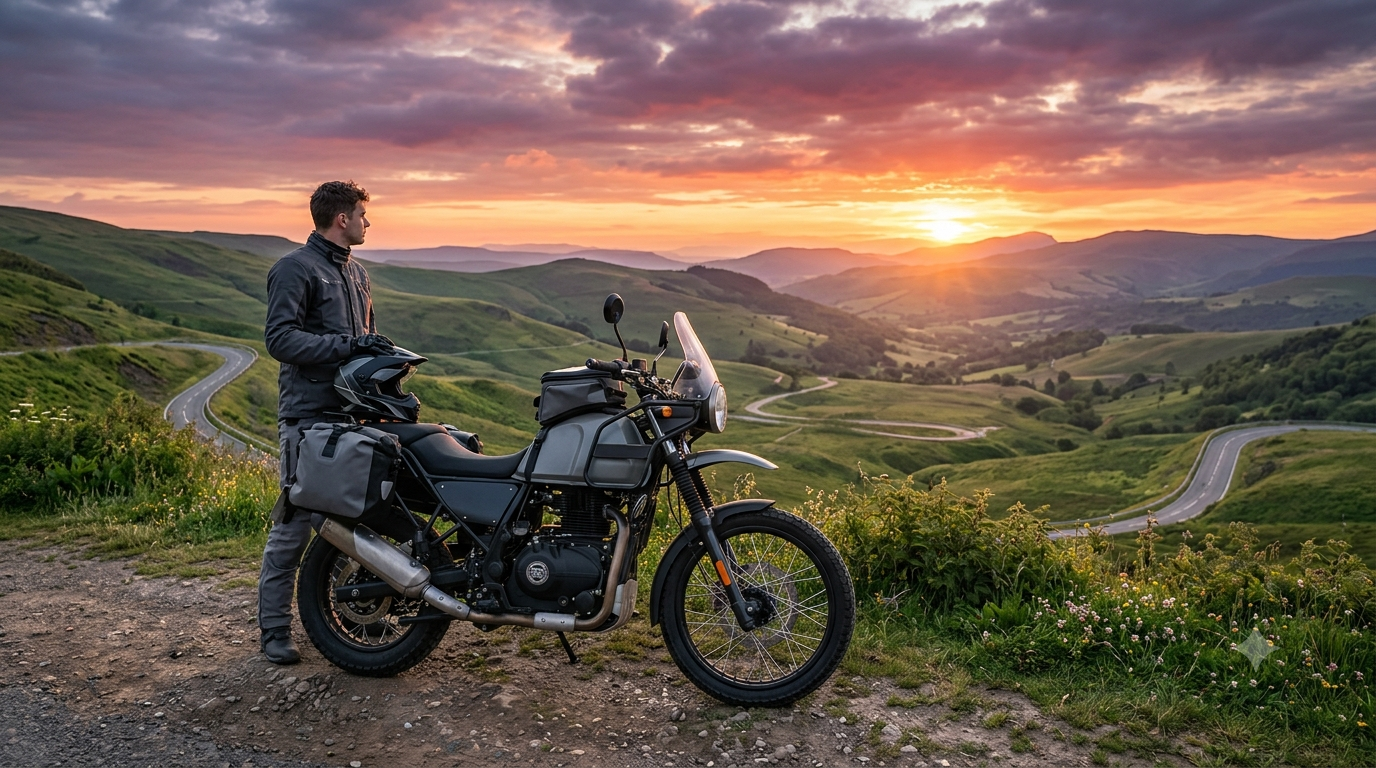
Mid-size adventure motorcycle for beginners is a hot search for good reason: if you’re new to the world of adventure riding, the right bike can make every mile feel safer, more fun, and way less intimidating. But which mid-size ADV bikes are actually approachable for new riders—not just on dealer brochures, but in real life?
Key Takeaways
- Modern mid-size adventure bikes (300–700cc) offer a great mix of comfort, performance, and confidence—inspiring handling for beginners.
- Seat height, weight, and real-world ergonomics matter far more than engine horsepower for new or returning riders.
- You can start small, master the basics, and upgrade later—don’t get distracted by marketing hype or peer pressure.
Table of Contents
What Makes a Great Adventure Motorcycle for Beginners?
If you’re searching for a mid-size adventure motorcycle for beginners, you need more than marketing claims. The best bikes combine manageable power, upright—and not intimidating—ergonomics, and weight you can actually lift if you tip over. Too much power or heft is not just scary—it can be dangerous.
Adventure bikes are designed to handle both highways and rough gravel roads, while dual-sport motorcycles skew lighter and nimbler, better for off-road but more basic on pavement. Focus on the right fit, not just engine size. According to recent expert reviews, “For riders new to adventure touring, the most praised midsize and lightweight options span 300cc to 700cc and combine manageable power, low weight, modest seat height and reliable ergonomics.” This is your sweet spot.
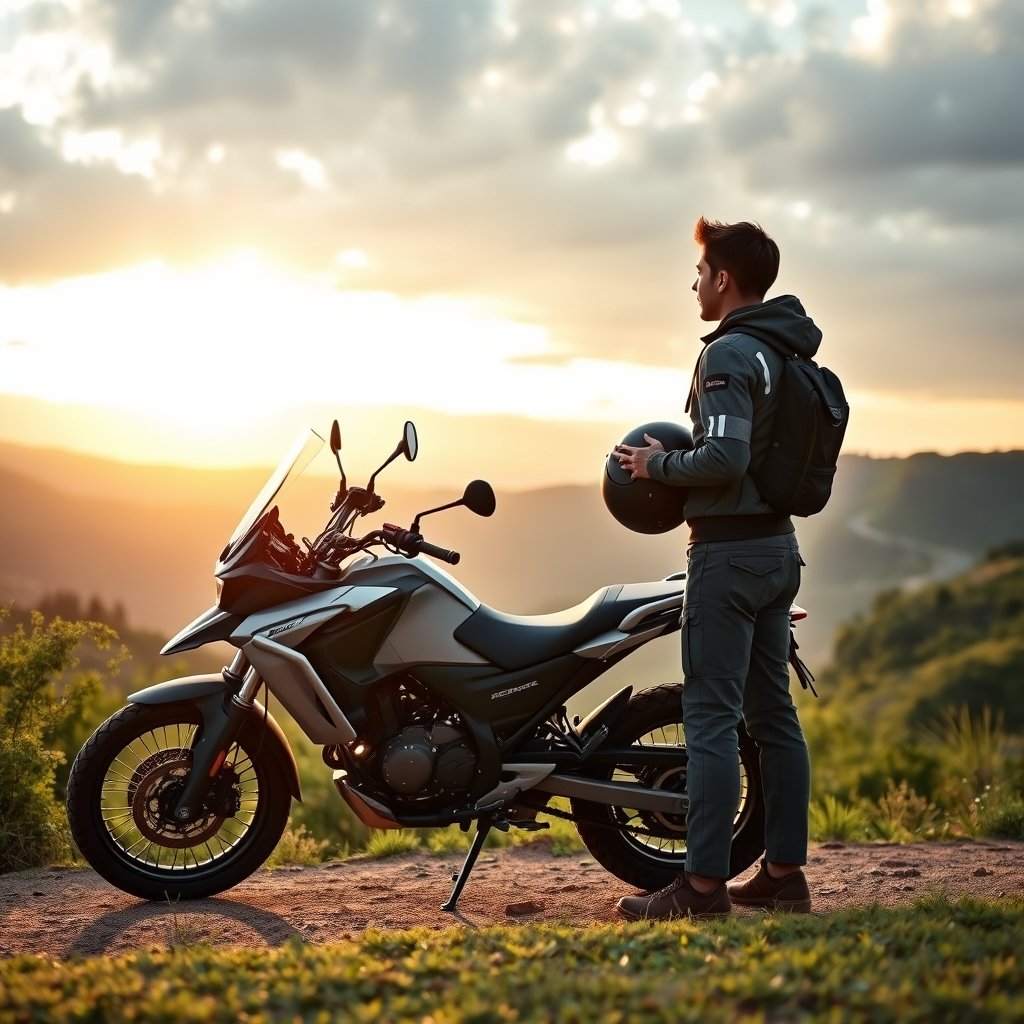
The Best Adventure Bikes Under 500cc: Lightweight Confidence for New Riders
What makes an adv bike under 500cc so good for new or returning riders? Simple: lightweight design, a less intimidating seat height, and just enough smooth power for highways without overwhelming you off-road or in traffic.
Several bikes stand out in this field:
- Kawasaki Versys-X 300: 296cc twin-cylinder, about 184kg wet weight, 815mm seat, legendary reliability. A forgiving street/trail “Swiss army knife.”
- BMW G 310 GS: 310cc single-cylinder, light chassis, low adjustable seat, fun handling, premium badge.
- KTM 390 Adventure: 390cc single, sharp suspension, weight under 190kg, proven adventure DNA, some of the best electronics in class.
According to Ride Adventures: “The 296cc Kawasaki Versys-X 300 (≈184kg, 815mm seat, easy-riding twin-cylinder) and the 310cc BMW G 310 GS (single-cylinder, light chassis, low seat) are the lightest true adventure bikes under 500cc, while the 390cc KTM 390 Adventure offers a sporty twin with a weight under 190kg.”
These beginner dual sport motorcycle options have modest operating costs and are easy to resell if you want to upgrade later.
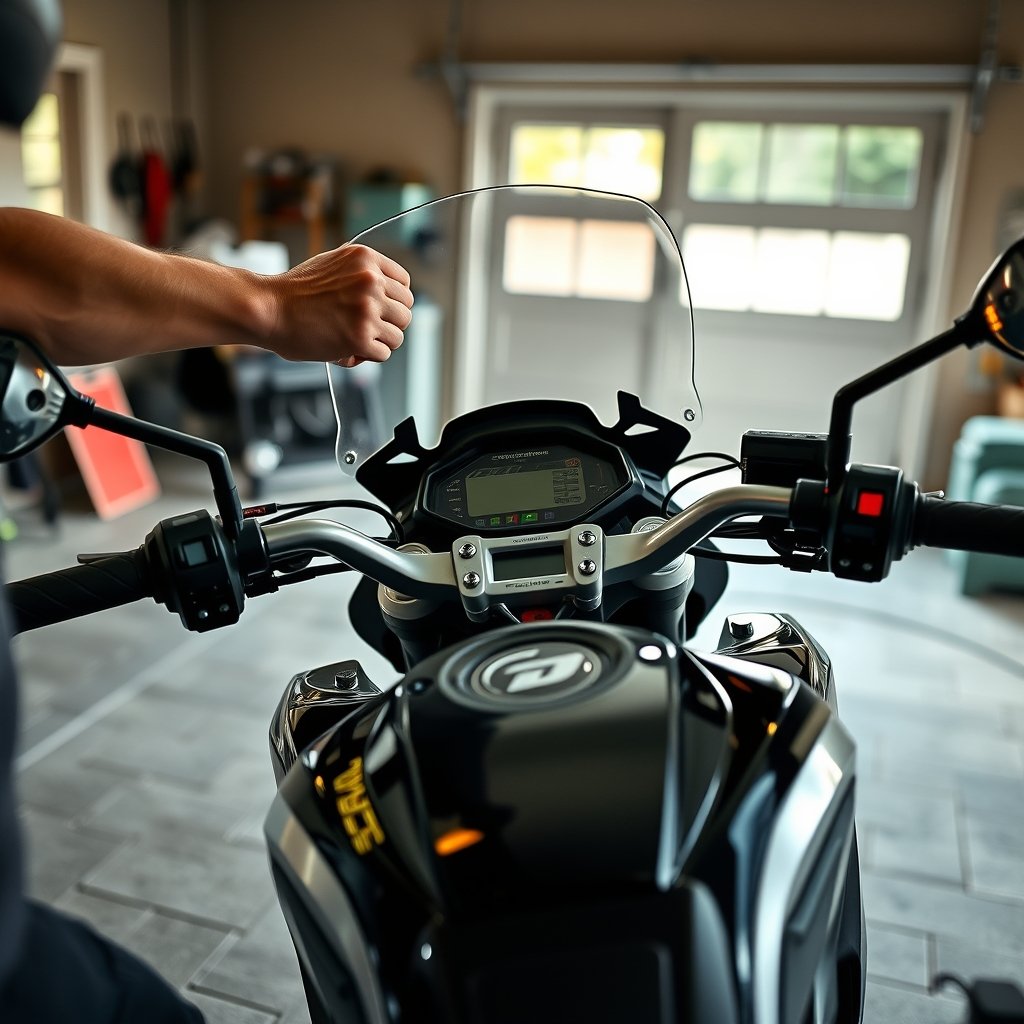
If you plan to ride primarily on trails and light dirt, consider pairing your bike with the right mosquito repellent and action camera to stay comfortable and capture your first adventure triumphs. The peace of mind is worth the minimal extra budget.
Moving Up: Mid-Size (500–700cc) Adventure Motorcycles for Beginners
If you’re ready for a little more highway speed, wind protection, and luggage options, the best 300cc to 700cc adventure bike models give you new confidence without feeling clumsy.
- Honda CB500X: 471cc parallel twin, smooth, upright and forgiving, 830mm seat height. Probably the top all-around mid-size adventure motorcycle for beginners on today’s market. Motorcycle News agrees: “It remains probably the best starter adventure bike out there and is affordable, reassuringly easy and unintimidating to ride and decent quality.”
- Suzuki V-Strom 650: Very manageable 650cc V-twin, under 214kg, classic aesthetics, famously reliable, upright ergonomics with a seat under 835mm. Leans more towards road comfort with moderate off-road ability; low enough weight for trail beginners.
- Royal Enfield Himalayan 450: 452cc single, simple and rugged, lower price point, improved comfort and power for 2025 models, and rapidly growing aftermarket support. It’s also among the most forgiving for new riders venturing off-pavement without breaking the bank. Our Royal Enfield Himalayan 450 accessories guide makes upgrading even easier.
- CFMoto Ibex 450: A budget contender with a four-year warranty, adjustable suspension, and a growing US dealer network. As Mad or Nomad puts it, “for a mid-capacity, easy to ride and cheap adventure bike – CFMoto is worth considering.”
Every option here strikes a balance of comfort, capability, and price for the practical new adventurer.
Dual-Sport Alternatives: Street-Legal Dirt Bikes for Absolute Beginners
Is regular trail riding, learning advanced off-road skills, or keeping weight ultra-low your priority? Then a lightweight adv bike for new riders in the dual-sport segment may suit you better than a full-featured adventure bike.
- Honda CRF300L Rally: Ultra-reasonable 830mm seat, 150kg wet, real off-road suspension, street-legal, simple maintenance, manageable power and cost.
- Kawasaki KLX300: Tall suspension (seat near 889mm but compresses under rider), light weight, trail focus, still practical for slow-speed road commutes.
- Yamaha XT250 / WR250R: Lower power, but extremely light, proven reliability and a favorite for short inseams or ultra-cautious new riders. The WR250R has been discontinued but is still highly regarded on the used market.
Dual-sport bikes are typically less comfortable on long road stretches but excel in tricky terrain and are far less scary if you drop them. As Motorcyclist puts it, “Yamaha’s light and low XT250 is the ideal dual sport for new riders.”
Want to maximize trail time without the dread of heavy lifting after a spill? These “beginner dual sport motorcycle” options deliver bargain resilience and minimum intimidation.
How to Choose: Matching Your Adventure Motorcycle to Your Real-World Needs
Don’t worry about what’s flashiest or “biggest.” Matching your first mid-size adventure motorcycle for beginners to your actual riding needs sets you up for success. Here’s how:
- Assess Your Experience: If you’ve never ridden off-road or are returning after years away, stick to the lower end of the displacement range. A nimble beginner dual sport motorcycle builds real skill and confidence.
- Rider Height & Strength: Can you flat-foot at least one side at stops? Can you pick up the bike solo? Try several models and be honest.
- Riding Mix: If 80% of your journeys are city commutes with 20% light dirt, look for a comfortable seat, good wind protection, and simple maintenance. If you crave trail work, bias toward dual-sports and weight savings.
- Budget for Gear: Essential adventure gear (like a heated vest or motorcycle headset) increases year-round comfort, especially for new riders.
- Think Upgrade Path: “Match your first ADV bike to your actual riding plans, not your aspirational dreams—you can always upgrade later.” (Source: Chigee)
Remember: reselling a well-maintained, beginner-friendly adventure bike is usually easy—so start practical and trade up only as your skills and ambitions demand.
Quick Comparison Table: Top Beginner Adventure & Dual-Sport Models (Specs, Pros & Cons)
| Model | Engine (cc) | Seat Height (mm) | Wet Weight (kg) | Typical Price (USD) | Key Pros | Key Cons |
|---|---|---|---|---|---|---|
| Kawasaki Versys-X 300 | 296 | 815 | 184 | ~$6,199 | Low seat, lightweight, cheap maintenance | Modest highway speed, basic electronics |
| BMW G 310 GS | 310 | 835 | 175 | ~$6,290 | Very easy handling, premium feel, ABS | Limited off-road, higher service cost |
| KTM 390 Adventure | 373 | 854 | 172 | ~$7,399 | Sharp looks, best electronics, adjustable suspension | Tall seat, more intense power delivery |
| Royal Enfield Himalayan 450 | 452 | 825 | 196 | ~$5,599 | Ultra-forgiving, low cost, rugged | Less power, not the fastest highway bike |
| CFMoto Ibex 450 | 449 | 820 | 196 | ~$6,099 | Bargain price, adjustable suspension, 4-year warranty | Smaller dealer network, unproven resale value |
| Honda CB500X | 471 | 830 | 197 | ~$7,199 | Low intimidation, smooth power, highly versatile | Basic electronics, not hardcore off-road |
| Suzuki V-Strom 650 | 645 | 835 | 213 | ~$9,199 | Highway comfort, legendary reliability | Heavier, more expensive |
| Honda CRF300L Rally | 286 | 830 | 153 | ~$6,149 | Ultra light, easy maintenance, trail focus | Basic road performance, minimal wind protection |
| Kawasaki KLX300 | 292 | 889 | 137 | ~$5,899 | Off-road king, lightweight, strong price | Tall seat, spartan highway comfort |
| Yamaha XT250 | 249 | 810 | 132 | ~$5,399 | Super low seat, ultra-light, reliable | Limited power, few adventure features |
| Yamaha WR250R (used) | 250 | 930 | 134 | Varies | Best dual-sport performance, rugged | Tall, out of production, may need searching |
Advanced Analysis & Common Pitfalls for New Adventure Riders
Even the best 300cc to 700cc adventure bike can create frustrations if you ignore these real-world pitfalls:
- Buying Too Much Bike: Many beginners opt for motorcycles far heavier or taller than they can safely handle, making slow-speed drops more likely and eroding confidence. Don’t overestimate your early skillset.
- Chasing Horsepower Numbers: A powerful ADV bike may feel impressive but makes actual off-road practice or city navigation harder. Modest, smooth power is safer and usually more fun in the real world.
- Ignoring Seat Height & Weight: If you can’t maneuver your bike on uneven ground, you’ll turn back from adventures before you begin. Test sit, check manufacturer specs, and even try to lift it in the showroom.
- Misspending Your Gear Budget: Spending big on hard cases and lights instead of core safety, warmth (heated vest), and protection (such as Himalayan 450 crash bars and skid plate) often backfires.
- Underestimating Maintenance: Some smaller brands have limited dealer networks or unique maintenance needs. Verify local service support, especially if considering options like CFMoto or Royal Enfield.
Ultimately, your first mid-size adventure motorcycle for beginners should always align with your confidence, not just your budget.
Conclusion
The most praised mid-size adventure motorcycle for beginners will empower you to explore further, learn faster, and stay safe—without overwhelming your skills or your finances. Choose the right match for your height, strength, riding ambitions, and local terrain. Start where you’re comfortable, then step up as your adventure confidence grows. If you’re ready for your first ADV experience, test ride one of these favorites, invest in essential gear, and remember: the best adventures always start with the smartest choices. Charge your bike battery smartly and ride on.
Frequently Asked Questions About Beginner Adventure Bikes
Do I need a specific license for a mid-size adventure motorcycle for beginners?
Most bikes in the 300–500cc range fit easily under A2 license or equivalent restrictions in most regions. Always check your local licensing requirements just to be sure. Bigger models (650cc) might require an unrestricted license.
Are brands like CFMoto or Royal Enfield reliable for new riders?
Both brands have improved in quality. CFMoto, for example, offers a strong four-year warranty, and Royal Enfield has robust dealer support in many areas. Still, check your local service options before buying. As noted by Mad or Nomad: “The 450 has a decent spec sheet including adjustable KYB suspension, it’s not going to blow your socks off, but for a mid-capacity, easy to ride and cheap adventure bike – CFMoto is worth considering, especially with a four-year warranty.”
How expensive is regular maintenance for a beginner adventure bike?
Models from Honda, Suzuki, and Kawasaki are famously low-cost for maintenance. European bikes (BMW, KTM) and newer Chinese brands (CFMoto) may require pricier parts or longer service intervals—get a quote from local dealers before buying. Routine servicing is crucial for longevity.
What gear should a new adventure rider absolutely buy?
Helmet, armored jacket, gloves, ADV boots, and critical layers (like a heated vest). Add hearing protection (electronic earmuffs) and, if you plan off-road, bike protection like skid plates and crash bars.
Can I upgrade my bike as my skill grows, or do I need to start over?
Most mid-size adventure bikes let you add features—like luggage, protection, and electronics—as you improve. Also, beginner models hold resale value well. Don’t be afraid to start small and upgrade when you outgrow your current machine.