

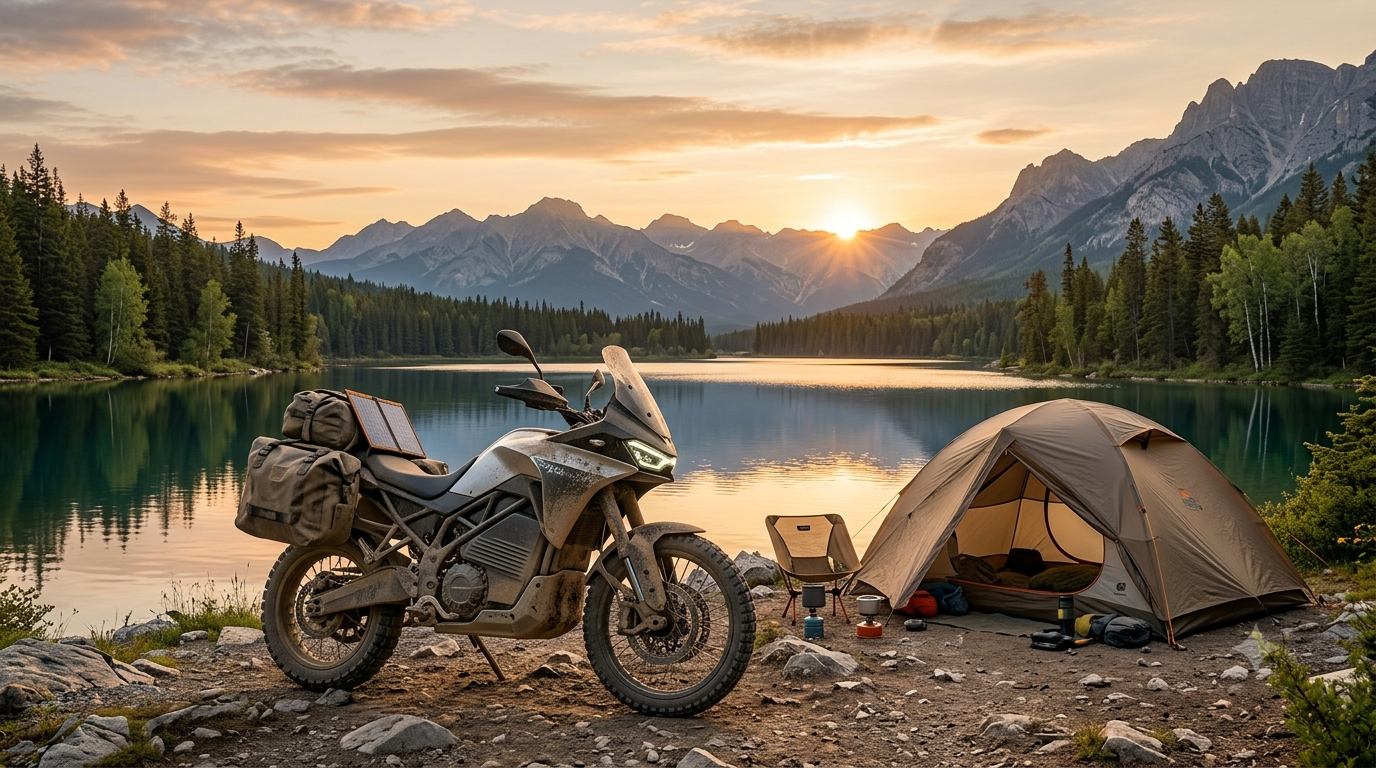
Electric adventure motorcycle 2026 is no longer just a buzzword; it’s the turning point for riders demanding real-world range from their next-generation ADV machines. This in-depth look reveals if electric adventure motorcycles in 2026 are finally practical enough for hard touring and mixed-terrain journeys, cutting through hype with owner data, actual range, and hands-on charging realities from the trail.
Key Takeaways
- The 2026 Zero DSR/X leads real-world electric ADV range: up to 227 miles city, 155 miles highway with Power Tank.
- EV charging compatibility, planning, and overnight strategies are crucial for successful adventure motorcycle touring in 2026.
- Riders must adapt trip planning, riding techniques, and gear loads to maximize the best electric ADV bike range—highway speeds and heavy use of electronics cut range by 30–50%.
Table of Contents
Are Electric Adventure Motorcycles Finally Ready for Real-World Touring in 2026?
The idea of a truly capable electric adventure motorcycle 2026 is finally being put to the test. For years, adventure riders were skeptical—could any battery-powered ADV match the long-distance flexibility, refueling speed, and mixed-terrain toughness of gas bikes? While the vision of silent, maintenance-light, eco-friendly rides has evolved, many still worry about real range, practical charging, and whether new electrics can handle genuine tours—not just local day rides.
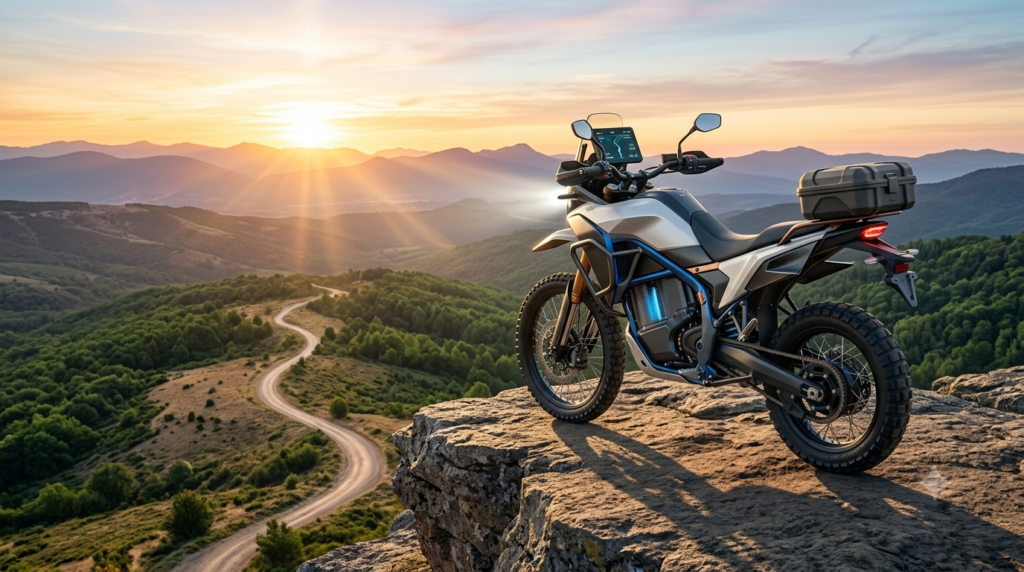
This year really matters: the top models now hit real-world ranges that can cover serious legs between charges. The 2026 Zero DSR/X with the optional Power Tank now delivers up to 227 miles (365 km) of urban range and 155 miles (249 km) at realistic highway speeds—unprecedented for a production electric ADV. Meanwhile, the Energica Experia and Can-Am Origin offer city ranges of 261 miles and 90 miles, respectively, but highlights and compromises start to appear as soon as you leave city limits. The time is right to separate marketing from motorcycles that can genuinely replace gas tourers for actual adventure riders.
Comparing the Best Electric ADV Bike Range for Adventure Travel
Raw numbers don’t tell the whole story. Adventure riding means mixed terrain, luggage, passengers, wind, weather, and, most challenging, long highway miles. Here’s what the real-world, best electric ADV bike range means for trip planning in 2026.
- Zero DSR/X (20.9 kWh Power Tank):
- City: 227 miles (365 km)
- Highway: 155 miles (249 km) at 70–75 mph
- Standard pack (17.3 kWh): 179 mi city, 107 mi highway
- Best balance between range and long-distance dual-sport ability [1]
- Energica Experia (22.5 kWh gross):
- City: 261 miles (420 km)
- Highway: 106–150 miles (170–240 km) depending on speed and load
- Heavier (260 kg); excels at tarmac touring, less nimble off-road [3]
- Can-Am Origin:
- City: 90 miles (145 km)
- Combined: 71 miles (115 km) (WMTC)
- Fastest charging in its segment (20–80% in 50 min); tailored to moderate distances or local dual-sport routes [9]
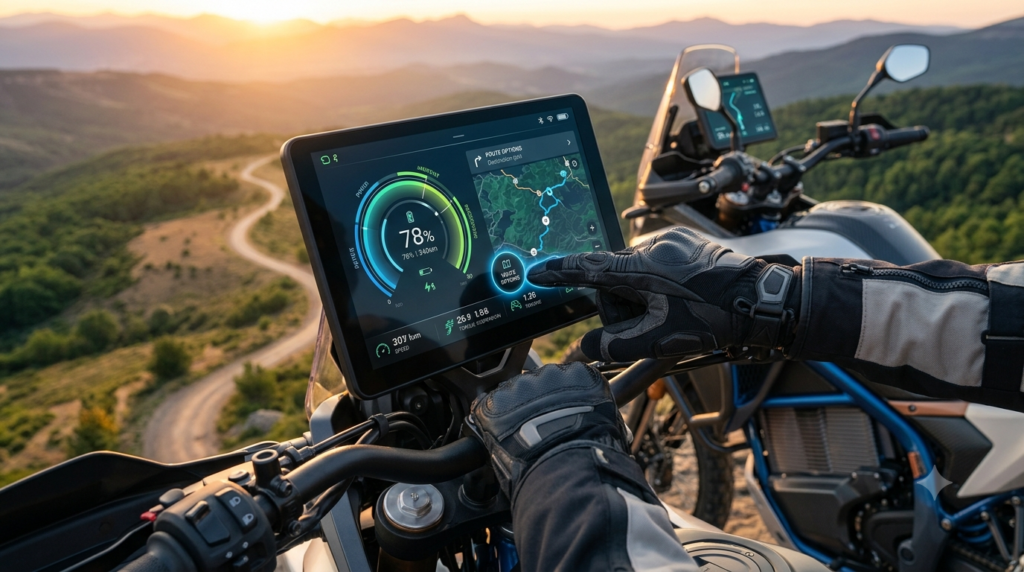
But real-world range for all electric motorcycles drops fast at steady highway speeds, with most bikes losing 30–50% of city range above 70 mph. Wind, cargo, elevation, and aggressive acceleration can quickly cut a 150-mile estimate to just 90–110 miles between charges. Riders hitting hard off-road or keeping highway legs brisk must build their daily plans around these honest numbers, not brochure claims.
For deeper tips on maximizing range in practice, see our full electric adventure motorcycle range guide.
Real Owner Experiences – Strengths and Compromises of 2026 Electric Dual Sport Touring
Based on recent owner reports and long-distance test rides, several trends emerge for electric dual sport touring in 2026. First, the Zero DSR/X is widely rated as the best practical electric dual-sport for actual touring—offering the best blend of city and highway range, proven off-road geometry, and manageable weight class. Riders rave about the easy throttle control and silence in the backcountry.
The Energica Experia‘s multi-day tarmac rides stand out for a different reason: “the first electric motorcycle where I forgot about range anxiety and just rode.” But, at 260 kg, off-pavement agility and mud handling lag behind lighter dual-sports.
On the value side, the Can-Am Origin, with its 90-mile city range and 50-minute Level-2 charging, is targeting riders who want affordable, low-maintenance access to electric dual sport trails—but reviews note that real-world range in mixed travel often sits well below spec, especially with gear and in hills or heat.
Serious adventure riders are quick to note that charging logistics—station density, working plug type, and overnight access—can make or break long-distance ADV plans. Owner tips include always carrying a backup Level-1 charger and mapping public Level-2 sites for overnights (especially in rural areas). Accepting slower overnight charges at a motel or campsite often saves a day wasted waiting for stations to free up, especially when remote.
For those planning camping or remote ADV trips, see our proven guide on ultralight motorcycle camping gear—packing light is crucial to preserving range and reducing hassle.
Charging on the Road: How to Make Electric ADV Touring Work
EV motorcycle charging on the road is part science, part logistics challenge. Here are the key differences and strategies for electric adventure in 2026:
- Level 1 charging (AC, wall outlet): Ultra-slow—often adds only 10–18 miles per hour. Always carry a portable Level-1 charger or pigtail adapter for camping or motels with only standard outlets. Don’t rely on this for daily touring unless stopping overnight.
- Level 2 charging (J1772): Adds about 25–40 miles per hour (6–7 kW typical). Most electrics top up from 20–80% in 3–5 hours—good for overnight or meal stops. Zero DSR/X and Can-Am Origin both support Level-2; Can-Am claims 20–80% charge in 50 minutes with optimal conditions [9].
- DC Fast Charging (CCS): Adds 60–100+ miles in 40–60 minutes (Experia charges to 80% in 40 minutes) [3]. The best option for long highway legs, but not available everywhere. Always confirm DC fast charger is compatible with your bike before setting out.
Pro riders recommend mapping multiple charger options per stop to account for broken plugs, busy stations, or poor cellular coverage. Carrying plug adapters (especially CCS Combo 2 for potential European travel) is now non-negotiable.
If you’re planning dual-sport exploration well off the beaten track, a backup power source like a dual fuel camping stove keeps your camp routine stress-free even if vehicle charging is slow.
For hands-free comms on the highway while navigation apps drain your phone, check our motorcycle headset picks for 2026 to keep music and mapping running all day.
Range Optimization Tips for Electric Adventure Motorcyclists
Boosting the best electric ADV bike range, especially on extended tours, demands proactive strategy:
- Maintain tire pressure at or above manufacturer recommendations—under-inflation saps up to 8% range.
- Use Eco and regeneration ride modes to harness downhill energy and smooth throttle—efficiently gaining up to 15% more mileage in hilly terrain.
- Limit highway speed: Each 5 mph over 65 drops range by 6–8%; plan legs at 60–65 mph when possible.
- Minimize non-essential gear—teach passengers to pack ultralight to avoid heavy discharge cycles.
- Avoid hard acceleration and late braking, which increases battery drain and heat, reducing long-term performance and range.
- Monitor auxiliary loads: heated vests (see top rated models), fog lights, and electronics can tax the smaller 12V system and ultimately cut rideable miles, especially in cold weather.
- Precondition the battery if the bike supports it—especially before fast charging in extreme temperatures.
- If wild camping, always pack at least a Level 1 charger or home-brew adapter—do not assume outlets will match your charging needs.
For long-term battery health (vital for resale and real touring dependability), target regular charges between 20–80% SOC and minimize deep discharge cycles unless necessary.
For more on zero-emission off-road touring and reducing EV range anxiety, our range maximization guide covers fast, proven techniques with field-tested results.
Conclusion: Is 2026 the Tipping Point for Electric ADV Adoption?
For the experienced adventure rider, 2026 marks real progress. The best electric adventure motorcycle 2026 is now genuinely capable of proper long-distance touring—if you plan carefully, ride deliberately, and accept that your pattern of stops and overnight planning will change. Zero DSR/X and Energica Experia now achieve 150 miles or more on the open road, with a growing but still incomplete charging network. Lighter dual-sports like the Can-Am Origin thrive in moderate-range, local, or weekend roles, while ambitious cross-country trips demand practice and flexibility.
Bottom line: The best electric adventure motorcycle isn’t the one with the loudest spec sheet; it’s the one that fits your real travel needs and feels worth owning after thousands of miles. Early adopters who go in prepared will find 2026 the most practical, enjoyable year yet for electric ADV. Thinking of making the leap? Map your next trip—the future is already waiting.
Want more field-tested gear reviews or tips for maximizing your journey? Browse our guides on self-guided motorcycle tour planning or outfit your setup with proven soft panniers for adventure bikes.
FAQs
How far can a 2026 electric adventure motorcycle go on a single charge?
Top models like the Zero DSR/X with Power Tank can reach 227 miles in the city and 155 miles on the highway. Most real-world highway touring sees ranges from 100 to 160 miles per charge depending on load, terrain, and speed.
How long does it take to charge an electric ADV bike on the road?
Level 2 charging (J1772) typically gets you from 20–80% charge in 50–180 minutes for bikes like the Can-Am Origin and Zero DSR/X. DC fast charging if available (Energica Experia, Zero’s newest models) can recharge 80% in about 40–60 minutes. Standard wall outlets are much slower.
Is range anxiety still an issue for electric dual sport touring in 2026?
It’s much reduced, but not gone. With careful route planning and backup charging solutions, most riders no longer worry about being stranded—but charging logistics replace gas station worries. Always map multiple stops and carry portable chargers.
What are the biggest limitations of electric ADV bikes for long-distance travel?
Limited fast charging infrastructure (especially in remote areas), longer “fueling” stops, less flexibility for spontaneous detours, heavy loads cutting range, and dependence on compatible public charging are the main drawbacks. Highway speed greatly reduces range compared to city riding.
What gear helps most with electric adventure touring?
Portable Level 1 charger/adapters, accurate tire gauge, ultralight camping setup, and a reliable motorcycle headset for comms are all essential. Also, choose a lightweight heated vest that minimizes draw on your battery system on cold rides.
—