

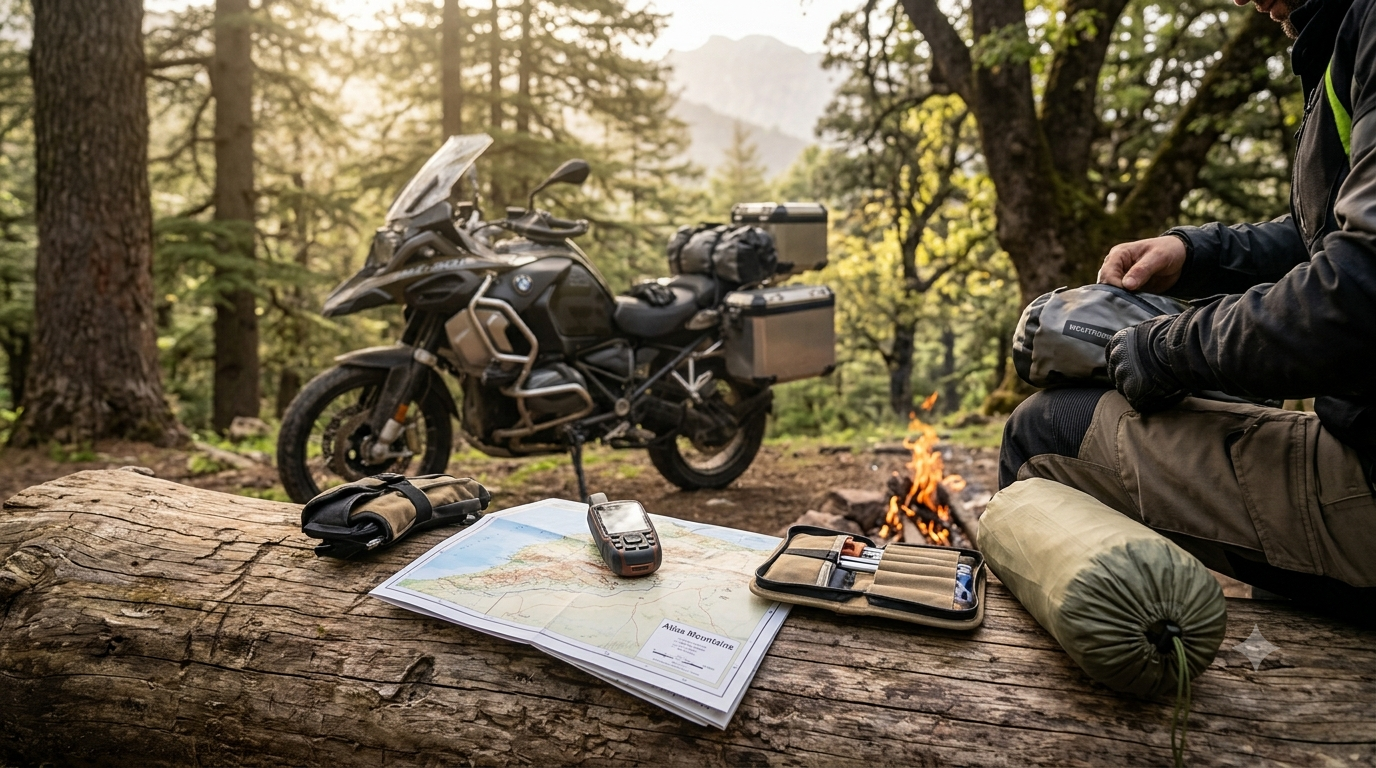
Solo motorcycle adventure travel is the ultimate freedom—especially for women plotting their first journey. The excitement is real, but so are the unique safety concerns, packing challenges, and decision paralysis around choosing the right gear and route. This guide is built on real-world experience, not hype—so you can face your first trip with clarity and confidence.
Key Takeaways
- Safety-first planning, route research, and tech-savvy communication are non-negotiable when riding solo as a woman.
- The right women’s motorcycle travel gear and realistic backup strategies make a huge difference in comfort and risk management.
- Choose beginner-friendly solo routes, leverage proven online communities, and always expect the unexpected out on the road.
Table of Contents
Why Solo Motorcycle Adventure Travel Is Different for Women
Traveling solo on a motorcycle is empowering, life-changing—and dramatically different compared to group trips, especially for women. You write every rule, survey the unknown at your own pace—and tackle unique safety challenges that larger groups rarely face. This isn’t about fear or doubt, it’s about preparedness, critical thinking, and embracing your independence on the road.
You’ll likely attract more attention—sometimes supportive, sometimes just curious. But as research shows, “You being a solo woman on a motorcycle will be completely different to a group ride for example.” That means a sharper focus on context, personal boundaries, and a direct, safety-first mindset.
Risks? They’re real—but the rewards in self-confidence, personal growth, and adventure make it worth every ounce of intelligent caution.
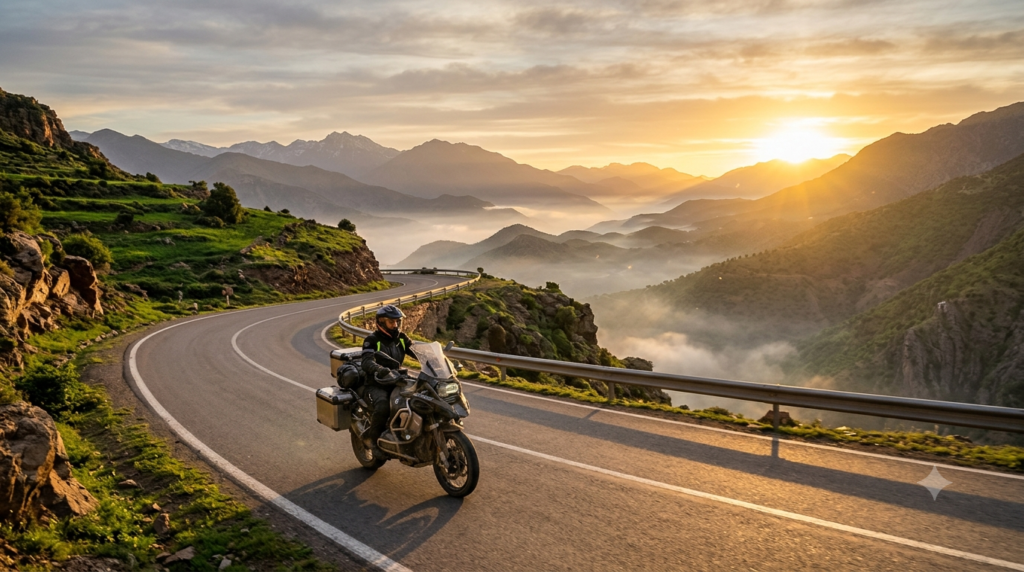
Safety-First Planning: What Every Solo Rider Needs to Know
If you want real adventure without avoidable risk, adopt a systematic approach to planning. Here’s how to stack the odds firmly in your favor—while still leaving space for good surprises.
- Research Your Route Thoroughly: Know the regions, weather, and road types—then identify safe towns, reputable bike shops, and hospital locations. Scour online trip reports specific to solo female motorcycle trips. Adjust your plans for the season, daylight hours, and peak tourist times.
- Map Out Essential Stops: Plot fuel stops, food options, and scenic layovers in advance—especially if your motorcycle has limited range.
- Plan Alternates and Backup: Always carry emergency funds (cash and card), supplemental insurance, and basic first-aid and repair kits.
- Setup ICE (In-Case-of-Emergency) Protocols: Program your ICE contact in your phone and write it on a visible card. Share your daily plan and GPS location with family/friends—never in public real-time.
- Know When (and How) to Call for Help: For remote travel, invest in a satellite tracker or SOS beacon. Don’t count on cell coverage in wild country.
- Practice Roadside Self-Sufficiency: Learn to fix a flat, jump a dead battery (consider a portable smart battery charger), and handle simple chain or bulb issues.
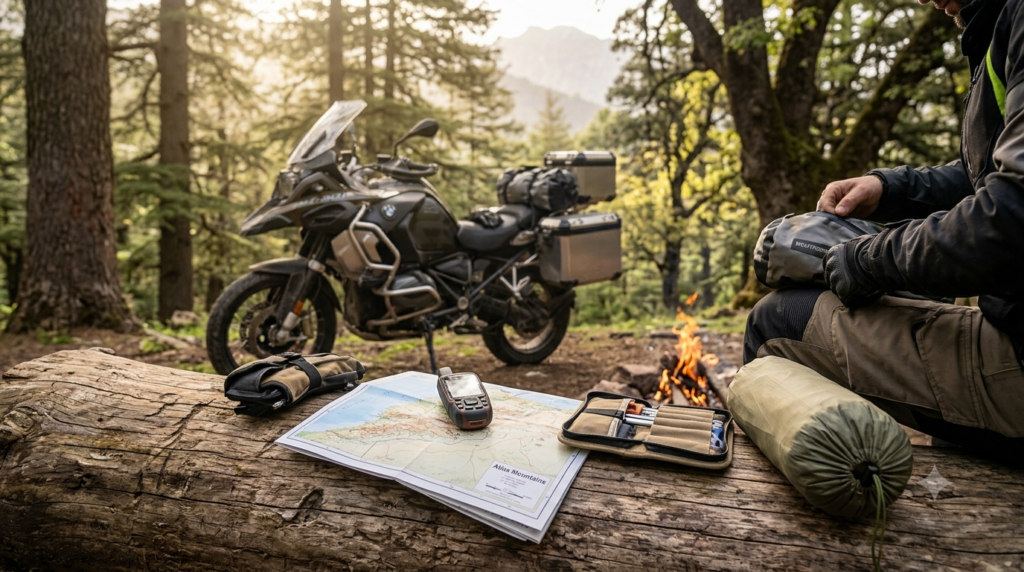
- Always ride with backup navigation: command paper maps, a waterproof phone/navigation mount, and cached GPX tracks for offline mode. Don’t rely only on your phone’s signal or a single GPS app.
- For off-grid stints, a solar charger can be a lifesaver; always monitor your battery health closely and consider carrying a reliable charger.
These fundamentals of solo motorcycle adventure planning may sound meticulous, but they’re what make true freedom on the road possible.
Women’s Motorcycle Travel Gear for Solo Trips
Smart gear isn’t about looking tough—it’s about maximizing visibility, comfort, protection, and emergency preparedness. Here’s what matters most for solo female riders—no matter your height, build, or riding style.
- Helmet: DOT-approved with a visor—bonus for pinlock anti-fog insert or photochromatic shield.
- Adventure Jacket and Pants: Weatherproof, shock-resistant, and cut for a female fit. The Milwaukee Leather Women’s Armored Jacket and female-fit pants offer both CE protection and versatility. Look for hi-vis panels and reflective piping.
- Gloves: Full protection, with touchscreen fingertips and backup pair for rain or cold.
- Boots: Supportive, waterproof, and made for walking as well as riding. Short women’s adventure boots balance comfort and safety.
- Hydration: A hydration pack (like CamelBak) or integrated backpack is a must. Dehydration can creep up quickly—always sip, even in cool weather.
- Quick-Dry Layers: Packing space is tight. Bring two to three technical synthetic or Merino layers for shirt, socks, and underwear.
- Rain & Cold Gear: A compact, high-visibility rain suit and optionally a lightweight heated vest for cold mornings—these save you misery and risk on variable routes.
- Earplugs & Comms: Protect hearing and enable navigation/music with a motorcycle Bluetooth headset or earplugs with a high NRR rating.
- Luggage: Sturdy, lockable tail or side bags—soft panniers are lighter, waterproof, and more forgiving in tip-overs.
- Self-Defense: Based on your legal jurisdiction and comfort, some travelers carry bear spray, a personal alarm, or a simple whistle. Focus on tools you know—and leave “movie hero” gear at home. More info on safe, legal options.
| Item | Essential Feature | Why It Matters for Women |
|---|---|---|
| Helmet | DOT/ECE, proper fit, visor | Protection; might need XS, S, or women-specific sizing |
| Jacket | CE armor, hi-vis, weatherproof | Better fit equals all-day comfort, keeps you seen in traffic |
| Boots | Ankle protection, waterproof, walkable | Prevents fatigue, injury; designed for smaller feet |
| Rain gear | Hi-vis, lightweight, packable | Stays visible in storms or dusk |
Pack light, but don’t cut corners on safety or weather protection. Practice loading your bike at home and test-ride fully loaded for a day. If anything is uncomfortable, tweak it before you leave. Add earplugs and lip balm to your tank bag for instant comfort, too. For an EXTREMELY thorough gear run-down, check out this solo women’s motorcycle travel gear breakdown.
Building Confidence and Staying Safe On the Road
Your mental state matters just as much as your riding skills. Here’s how to maximize safety and confidence—especially out of your comfort zone:
- Ride in daylight whenever possible; dusk and dawn carry higher animal and visibility risks.
- Park in well-lit, high-traffic areas, near exits. Avoid isolated or deserted lots, especially overnight.
- Use a satellite tracker or a device with emergency-calling ability on remote stretches.
- Stay visible: keep headlights on, add reflective tape to luggage, wear a hi-vis vest or jacket.
- Practice defensive riding: always assume drivers don’t see you, leave extra space, and avoid riding in blind spots.
- If you’re uncomfortable at a stop, leave—no explanation required.
- When possible, practice emergency stops and obstacle maneuvering regularly—in safe parking lots or controlled spaces (even during your trip).
- Carry a compact tire repair kit and know how to use it.
- If you’re considering recording your trip, a waterproof action camera can double as a safety device.
If you hit a rough patch mentally, reach out to travel groups or online forums—don’t let small setbacks sabotage your motivation. And remember, even experienced solo riders struggle with nerves at uncertain moments.
Best Solo ADV Routes Recommended for Women
The right route makes or breaks your first long solo ride. For your first solo female motorcycle trip, prioritize routes with strong support networks, variable terrain, and plenty of accommodation or camping options:
- Trans-America Trail (TAT): This long-distance route from West Virginia to Oregon mixes gravel and pavement, ties in many BDR (Backcountry Discovery Route) loops, and threads through rider-friendly towns. More details in this coast-to-coast solo ride report.
- Backcountry Discovery Routes: The Colorado, Idaho, and New Mexico loops offer structured off-road experience and strong ADV communities. Great for connecting with other women adventurers.
- Pacific Northwest Coast: Multi-day trips down coastal highways from Washington through Oregon and California are visually stunning and loaded with safe campground/motel options.
- Appalachia and Southeast: Ride the Blue Ridge Parkway, the Appalachian backroads, or the Oklahoma Adventure Trail. Plentiful towns, safe stopovers, and moderate traffic.
- Europe and the Balkans: Balkan overland routes are increasingly popular for women travelers—scenery, established stops, and a supportive online route-sharing culture.
For shorter confidence-building rides, local “weekend loops” or state BDR sections are a smart way to test skills and tweak your packing before jumping into trans-continental rides.
Final Prep: Packing, Practice, and Mindset
Preparation doesn’t end with buying gear or mapping your route. Here’s your last-mile checklist for solo motorcycle adventure travel:
- Practice with Weight: Load your bike as for your trip, and ride parking lots or your daily commute. Find any balance, access, or vision snags—fix now.
- Review Bike Care: Know how to check tires, oil, chain, lights, and brakes before each day’s ride. Carry a toolkit and make sure you can fix a flat.
- Fuel Range Matters: Even if you expect 200 miles between stops, detours or closures happen—pack a RotoPax or other small auxiliary fuel container.
- Limit Overpacking: Bring just enough layers, prioritize laundry/quick-dry gear, and use compression stuff sacks to control bulk.
- Mental Prep: Expect plans to change. On solo trips, flexibility is your best superpower. Plan for curveballs—last-minute weather shifts, closed roads, weird customer service, or plain fatigue.
- Mindset: Confidence is built, not found. Every nervous start or roadside hassle you conquer adds skill and assurance for the next stretch. Don’t fake it—just stay alert, trust your gut, and adapt as you go.
If you want more packing hacks, check out our ultimate ADV camping packing guide.
Useful Resources and Support Networks for Solo Women Riders
You are not alone—even when riding solo. Connect with these proven online and in-person resources for more ongoing advice, mentorship, and community:
- Mad or Nomad: Safety for Solo Female Motorcycle Travellers – Real accounts and safety tips from women around the globe.
- Women Riders Now: Solo Safety Tips – Clear strategies on preparation and risk reduction.
- Solo Female Adventure Motorcycle Travel Guide – A hub for route ideas, gear, and checklists.
- Women’s Adventure Motorcycle Gear 2026 – The newest female-fit ADV jacket/pants/boots reviews.
- Sign up with local or global women’s ADV groups (search Facebook, Meetup, local moto clubs) for ride-alongs and in-person support.
- Follow solo female travelers online—but remember as the pros say: “Learn from them, but don’t think your experience will be the same.”
- Bookmark proven trip planners and GPX-sharing sites; for DIY navigation see our GPX route mastering guide.
Trust community wisdom, but filter advice through your real circumstances and skill level. Nobody’s trip will be exactly like yours.
Conclusion
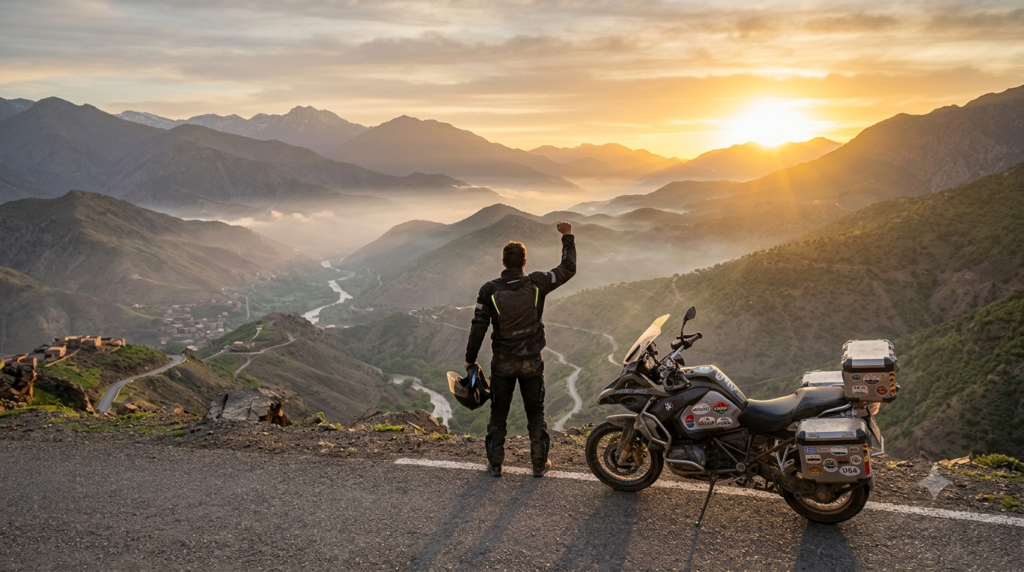
Adventure is at its purest when you’re riding alone—but that freedom is built on disciplined planning, honest self-assessment, the right women’s motorcycle travel gear, and resourceful adaptation. You will make mistakes. You’ll also discover resilience, joy, and strength far beyond what you ever expected. Embrace these principles and make solo motorcycle adventure travel a cornerstone of your story. Now—pick a route, start prepping, and go.
Ready to make your first solo ride happen? Check out our proven gear suggestions, route guides, and join the community of capable women writing their own adventure on two wheels.
Frequently Asked Questions
What’s the single most important safety step when planning a solo female motorcycle trip?
Thorough route research and clear communication of your daily itinerary and ICE contacts. Always know where you’re going, update your emergency contact, and have a backup plan for bad days.
What if I get a flat tire or mechanical breakdown alone?
Practice basic tire repair and chain maintenance at home. Carry a quality tire repair kit, basic tools, and know your bike’s simple fixes. If you can’t ride out, use a tracker/phone to call for help and stay visible in safe areas if you must stop.
What women’s motorcycle travel gear is non-negotiable?
A DOT or ECE helmet, armored jacket & pants with hi-vis features, waterproof boots, padded gloves, hydration pack, quick-dry layers, rain suit, and hearing protection. Add a navigation mount and tire repair kit for longer adventures.
How do I deal with nerves or harassment as a solo woman?
Practice your route, trust your instincts, avoid sharing real-time location publicly, and have a clear exit plan at all stops. If someone makes you uncomfortable, leave. Most encounters are positive—but always prioritize your own safety over being polite.
How can I connect with a community of other solo female ADV riders?
Join online forums like Mad or Nomad’s female traveler section, attend local moto meetups, or sign up for global women’s ADV Facebook groups. Attend ADV rallies—new friends and mentors can become lifelong support.