

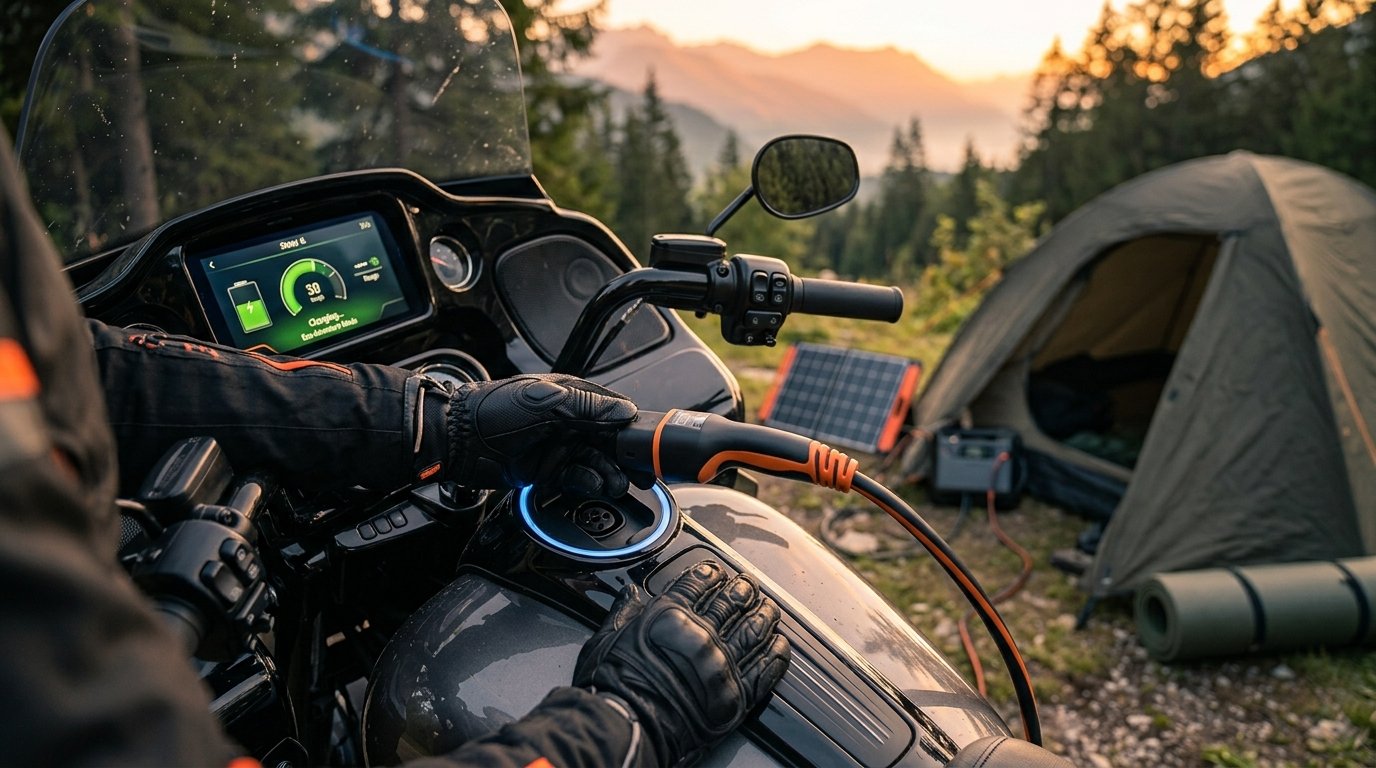
Electric adventure motorcycle technology has made major strides, but is it truly up to the demands of long touring and off-road exploration? Today’s tech-savvy, comfort-focused adventure riders have every reason to question whether a modern electric adventure bike can replace their trusty gas ADV for real-world, mixed-terrain trips.
Key Takeaways
- Leading electric adventure motorcycles like the Zero DSR/X and Energica Experia now enable genuine multi-day mixed-terrain touring — but with hard limits on range and charging logistics.
- Battery performance, charge times, and off-grid practicality are improving, yet gas bikes still win for true expedition-length, remote travel.
- Comfort, luggage integration, and electronic aids on electric ADV bikes are nearly on par with top gas competitors, making them a serious option for many riders today.
Table of Contents
Can an Electric Adventure Motorcycle Handle Real-World Touring?
The electric adventure motorcycle market is no longer just hype. Modern electric adventure bikes like the Zero DSR/X and Energica Experia promise real-world touring with quiet power delivery and zero tailpipe emissions. The biggest questions for seasoned adventure riders remain: are they truly capable of handling real backcountry journeys, including day-long rides and off-pavement challenges?
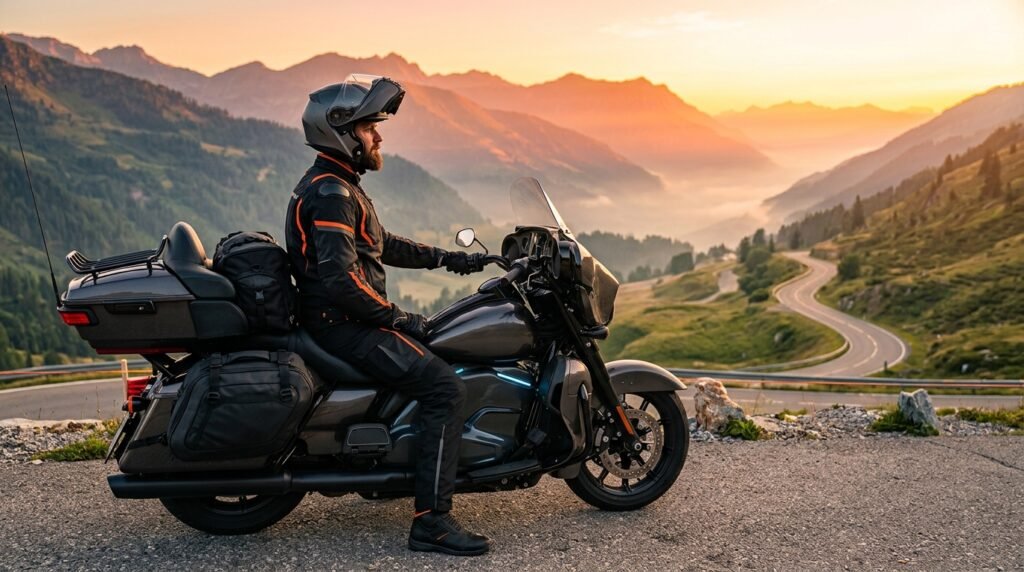
Here’s where the data stands: the Zero DSR/X delivers up to about 179 miles (288 km) of city range and about 107 miles (172 km) in mixed riding. The Energica Experia stretches even further at 261 miles (420 km) city and around 160 miles (256 km) combined. These numbers may not yet rival a 300-mile gas tank, but for many mid-range touring missions the gap is closer than ever.
Besides range, today’s electric ADVs offer ride-by-wire torque, sophisticated stability control, and class-leading comfort features curated for both seasoned ADV explorers and new converts from the gas world. So, what really sets an electric adventure motorcycle apart is the blend of seamless electric power, advanced rider aids, and new charging challenges. Let’s break down the real-world experience.
Battery Range and Charging: Are Electric ADVs Ready for the Long Haul?
For anyone planning multi-day tours, electric motorcycle touring range and charge practicality still define your freedom. Here’s how top models compare in real numbers:
- Zero DSR/X: 17.3 kWh battery (expandable to 20.9 kWh). Real world range is about 107-179 miles depending on riding style, terrain, and load. It has a 6.6 kW onboard AC charger (0-80% in about 2 hours on L2, no DC fast charging).
- Energica Experia: 22.5 kWh battery. Combined touring range up to 160 miles (256 km), city range up to 261 miles (420 km). CCS fast charging 0-80% in about 40 minutes.
- Stark VARG (dedicated off-road): ~30-70 mi range, up to 80+ mph, quick charging but small battery limits full-day adventure use.
- Harley-Davidson LiveWire S2 Del Mar: 113 mi city, 86 mi combined, DC fast charging — but more urban adventure focused than true ADV.
How does this stack against gas bikes? Gas-powered ADVs like the KTM 1290 Super Adventure or Honda Africa Twin usually offer 250+ miles of range and a 5-minute refill at any station. For electric touring, riding style and charging access are as vital as battery size. While powerful, the lack of DC fast charging on the Zero limits its flexibility for true expedition rides where every hour counts. The Energica’s CCS compatibility is a game-changer where fast chargers exist but remains limiting far off the grid. [Read an in-depth Zero DSR/X test ride review].
If maximizing range is the goal, see practical tactics in our electric adventure motorcycle range guide for tips.
Mixed Terrain Performance: Off-Road and On-Highway Capability
Performance in adventure motorcycles demands more than just acceleration. How do electric ADV motorcycles fare on rough tracks, gravel, and highways?
The Zero DSR/X leads for mixed terrain: 100 hp (75 kW), 169 ft-lbs torque — that’s significantly more torque than most gas ADVs — mated to Showa adventure long-travel suspension and a Bosch MSC stability system with trail-specific traction maps. In practice, this setup makes for tractable, drama-free riding on both rocky trails and slick tarmac, as both press reviews and owner accounts confirm. The DSR/X’s upright ergonomics and off-road riding modes enhance controllability and confidence off-pavement.
The Energica Experia brings highway prowess: 112 mph top speed, plush suspension, and premium build, but its heavier, road-focused chassis makes it less nimble on loose surfaces compared to the Zero or a purpose-built electric dual sport. By contrast, dirt-focused electrics like the Stark VARG are featherweight and excel at dedicated off-road fun, but their range and luggage capacity are minimal.
For a step-by-step gear checklist, see our ultralight adventure motorcycle camping guide and modern soft luggage solutions.
Struggling with fatigue on varied terrain? Explore proven prep tips for reducing rider fatigue on multi-surface rides.
Rider Experience: Comfort, Luggage, and Touring Features
Whether it’s a cross-country journey or a multi-day backcountry trip, real-world comfort and features are non-negotiable for adventure riders today.
- Ergonomics: Both the Zero DSR/X and Energica Experia boast upright, neutral seating with wide bars, adjustable windshields, and low seat heat for long-haul comfort. Zero’s seat shape and leg position have been praised for all-day rides [see in-depth rider impressions].
- Luggage: Integrated hard-pannier options, modular racks, and tank bag mounts are available from the factory or third parties. The DSR/X comes ready for full aluminum luggage systems and quick-release panniers.
- Navigation/Connectivity: Both offer smartphone integration, USB-C charging for accessories, and compatibility with navigation mounts. Upgraded dash displays provide real-time battery state, trip planning, and easy adjustment of traction/stability controls.
- Electronic Rider Aids: ABS, MSC/Bosch stability, customizable traction modes, hill assist, and cruise control on leading models.
Want an extra edge for cold climate touring? Check out our heated vest for year-round comfort.
For navigation reliability, our best GPS navigation mount setup covers rugged, weatherproof solutions for long trips.
Limitations, Challenges, and the Future of Electric Adventure Touring
Even as battery and charging technology advance, electric adventure motorcycles face concrete hurdles for true long-haul and remote expeditions:
| Model | Range (Combined) | Charge Time* | Fast Charge? | Off-Road Capability |
|---|---|---|---|---|
| Zero DSR/X | 107 mi (172 km) | 2 hrs (0-80%, AC only) | No | Excellent |
| Energica Experia | 160 mi (256 km) | ~40 min (0-80%, DC) | Yes | Good (heavy, more road biased) |
| Stark VARG | 30-70 mi (off-road) | Quick (small pack) | N/A (no DC) | Outstanding (dirt only) |
*Typical time for fastest available onboard charging; always check local charger speed compatibility.
- Charging Infrastructure: Outside major cities and highways, fast chargers can be rare or nonfunctional. AC-only charging on the Zero DSR/X could mean multi-hour waits far from DC fast charging routes. [Read more on real-world EV range and charging].
- Real-World Touring Range: ADV battery performance drops faster at highway speed, in freezing temperatures, or with heavy loads. Even top models are limited to about 100-160 miles per charge in mixed-use ADV touring.
- Weight: Large battery packs mean heavy bikes. While the Zero and Energica handle much of this with good chassis engineering, off-road agility (especially for singletrack or sand) is hampered compared to lightweight gas dual sports. The Energica’s heft especially limits serious off-tarmac exploring.
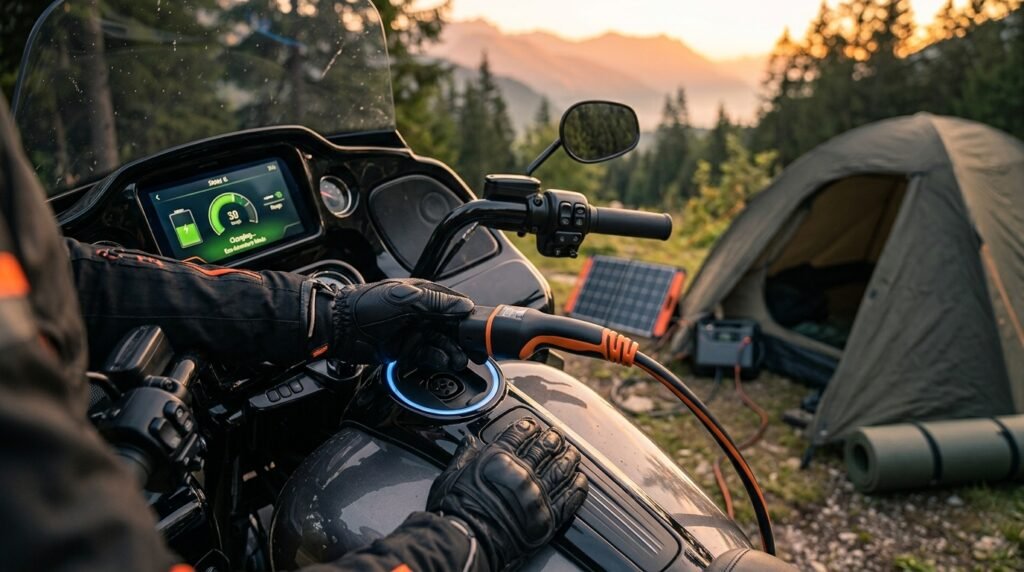
- Off-Grid Travel: If you’re planning remote wilderness routes, the need for reliable power brings significant planning. It’s possible to charge from a generator or portable solar (see dedicated guides), but this is much slower and more involved than carrying extra fuel. For a hybrid backup, check our best dual fuel portable stove for camping.
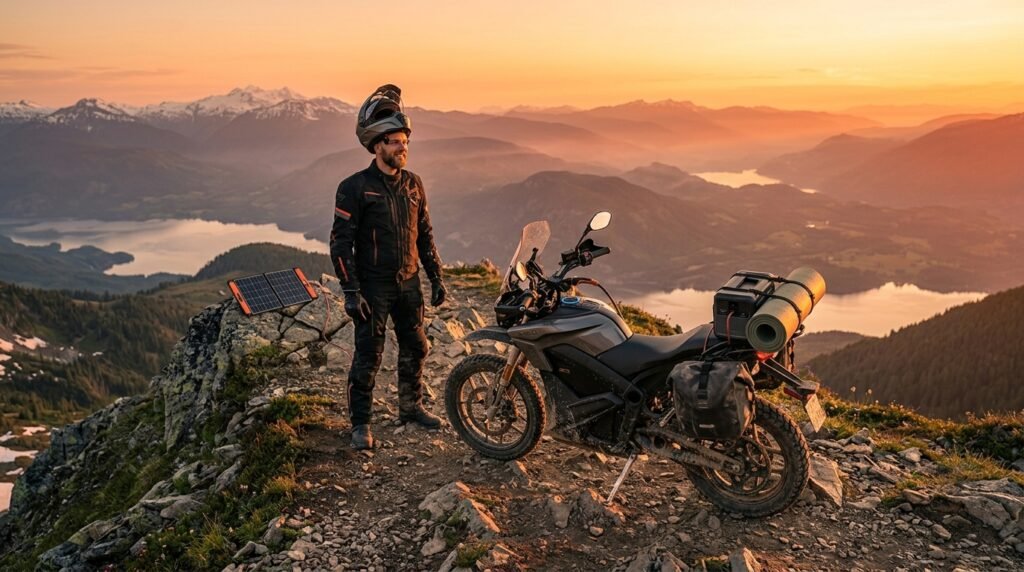
Despite these challenges, advances in battery density, lighter composite frames, and better charge management software keep pushing boundaries. For mixed terrain touring with charging stops each day, electric ADVs are already a compelling, eco-friendly alternative for more and more riders.
Verdict: Should You Consider an Electric ADV Motorcycle for Your Next Adventure?
So, who should make the transition to an electric adventure motorcycle now? If your rides stay within daily range limits and you value quiet power, instant torque, simple maintenance, and green travel, the Zero DSR/X and Energica Experia deliver authentic ADV experiences. Both are true multi-day travel options, especially along known charge corridors or for loop-back touring routes.
If you routinely tackle 300+ mile, off-grid journeys through remote regions where charging is sparse or wish to explore hard singletrack, a gas or hybrid ADV bike remains the gold standard. Yet for riders ready to plan around charging, electric adventure bikes are now more than just an eco-statement — they’re fully practical for major mixed-terrain trips.
Ready to go deeper? Explore practical tips, detailed reviews, and route planning for every style of electric adventure motorcycle touring in our complete Electric ADV Guide.
Don’t wait — start your research today and discover if an electric adventure motorcycle is the right tool for your next big ride.
FAQ
How far can you really ride an electric adventure motorcycle on a single charge?
Most premium electric adventure bikes, like the Zero DSR/X and Energica Experia, achieve 100-160 miles of real-world mixed terrain touring per charge. City ranges can exceed 250 miles, but sustained highway speed, cold weather, and heavy luggage can lower these numbers.
Are electric ADV motorcycles comfortable enough for all-day rides?
Absolutely. Leading electric adventure bikes offer upright ergonomics, adjustable windshields, and modular luggage options. The Zero DSR/X and Energica Experia are widely praised for comfort on long rides. Heated vests and advanced seat options can extend comfort into colder seasons — see our heated vest review for options.
Can you use an electric adventure motorcycle for real off-road exploration?
Yes, within the constraints of range and weight. The Zero DSR/X is especially capable off-pavement, with high-torque delivery, adventure suspension, and advanced traction controls. Lightweight electrics like the Stark VARG are designed for pure dirt riding, but touring range is much more limited compared to big-battery models.
Is charging a major problem during long adventure tours?
Charging planning remains essential. DC fast charging is a huge advantage, as on the Energica Experia, but still rare in remote areas. The Zero DSR/X uses only AC charging — so expect longer stops. Carry appropriate adapters and always plan for backup charging locations, especially if heading off the main grid. For more range-maximizing tips, read our range guide.
Can I upgrade or modify my electric ADV bike for more range?
Some bikes, like the Zero DSR/X, allow for factory battery expansions. Careful route planning, using energy-saving ride modes, and traveling light are the best range-extending modifications. Learn about optimized ADV packing in our tour packing list guide.
—