

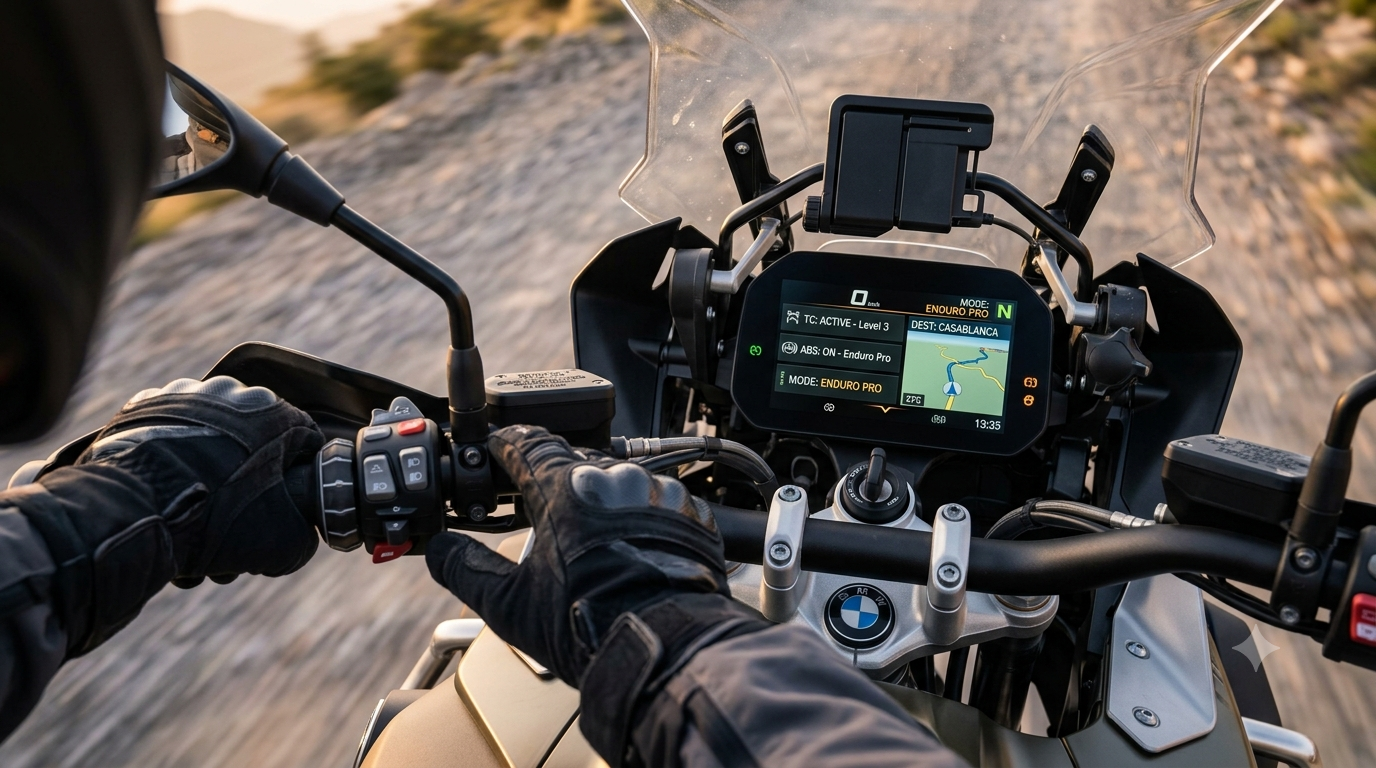
Adventure motorcycle rider aids explained: today’s ADV bikes come with more technology than ever, but which electronic aids actually deliver real benefits—and which are just expensive extras? If you’re an experienced rider looking to upgrade, the truth about semi-active suspension, ride modes, quickshifters, and traction control can help you get the best value for your next machine.
Key Takeaways
- Modern adventure motorcycle rider aids—especially semi-active suspension and electronic features—can significantly boost comfort, safety, and control for real-world touring, but not all are essential.
- Semi-active suspension offers true ride transformation by adapting to loads and surfaces in real time, while simpler electronic adjustments only provide preset changes.
- Evaluate your riding style and priorities: some flagship-grade aids (like cornering ABS or traction control) are becoming standard, while others (like advanced auto-leveling or quickshifters) may be “nice-to-haves” rather than must-haves.
Table of Contents
Why Modern ADV Rider Aids Matter (and When They Don’t)
Adventure motorcycles now come equipped with a suite of rider aid systems designed to keep the bike stable and comfortable across gravel, pavement, and steep climbs. As flagship technology trickles down into mid-range models, features like semi-active suspension, ride modes, traction control, and advanced ABS are often promoted as game-changers. But as an experienced rider, you know that more tech isn’t always better. The key is separating actual benefits from marketing buzz. Some features—like well-implemented electronic suspension or cornering ABS—truly improve safety and confidence. Others might do little to improve your touring experience if you don’t ride aggressively or rarely venture off-road.
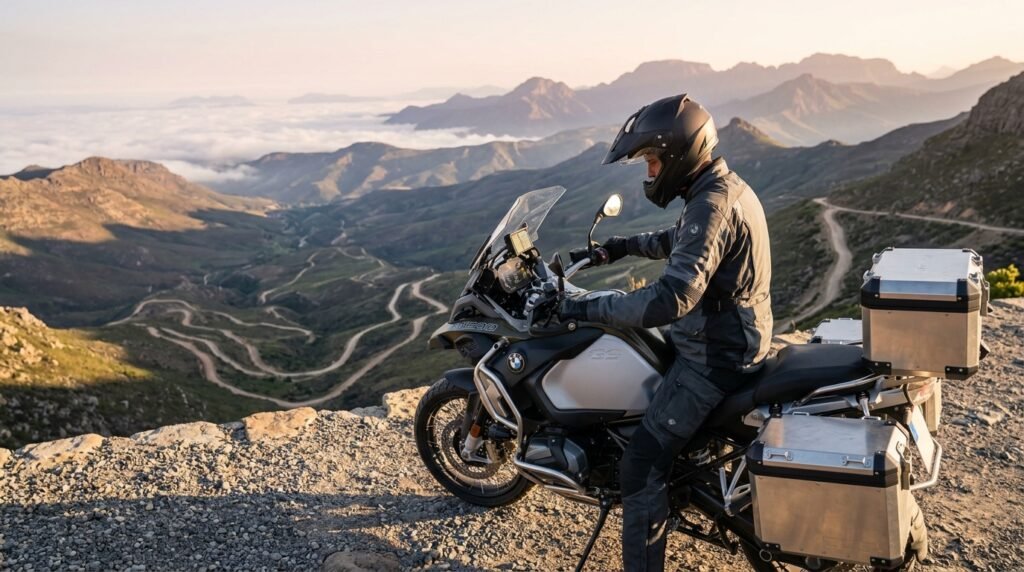
According to research, “adventure motorcycles now come equipped with a suite of rider‑aid systems designed to keep the bike stable and comfortable across gravel, pavement, and steep climbs” (Harley-Davidson Media). The challenge for cost-conscious ADV riders is to decide what’s worth paying extra for as technology evolves—especially if you’re aiming for real improvements on multi-surface travel without unnecessary complexity.
Semi-active suspension: Worth the Hype?
Semi-active suspension systems are emerging as the most impactful new technology for adventure motorcycles. Unlike standard suspension or “electronic adjusters” (where you press a button to change settings but the system remains passive), semi-active suspension uses onboard sensors—stroke sensors, accelerometers, and load cells—that send data to an ECU many times per second. The ECU instantly commands actuators to adjust compression and rebound damping in both the fork and shock, reacting in real time to road surfaces, riding speed, and bike load.
Semi-active suspension isn’t the same as “electronic suspension adjustment.” The simple systems just rotate adjusters for you, giving you user-selected presets but not dynamic change. True semi-active setups (found on KTM, BMW, and Harley-Davidson adventure bikes, among others) “reacts quicker, and is more sensitive to road conditions than ever before… the system provides a wide range of adjustability, for maximum comfort and safety on all terrain” (KTM Tech Guide).
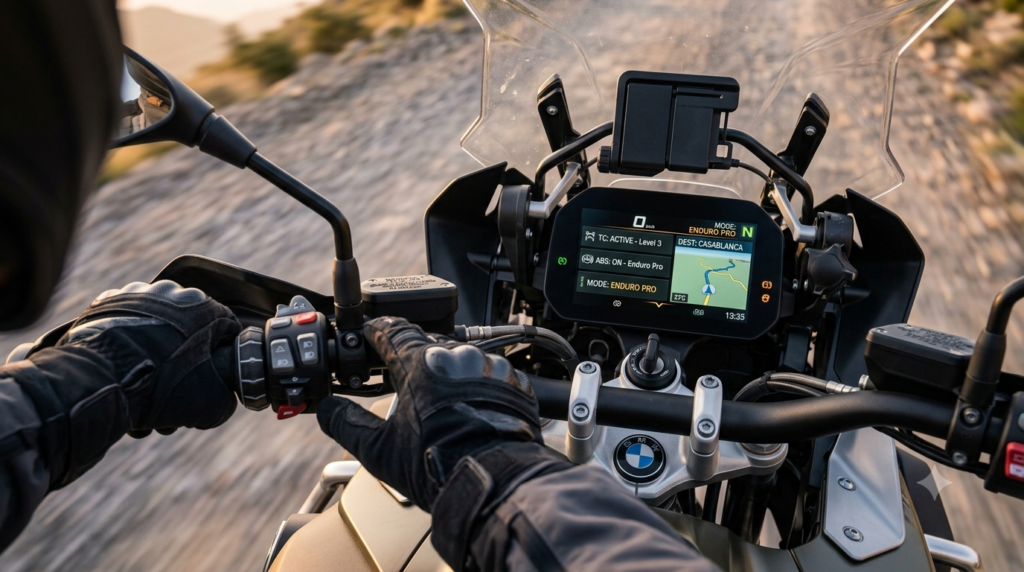
Why does this matter? On a multi-surface adventure, you may cross broken tarmac, sand, and deep gravel—all in a single day. Semi-active suspension maintains consistent handling, which helps prevent fatigue and ups your confidence, especially with unpredictable loads. Older analog ADVs, by contrast, would require tools and time for each major change.
For more detail on other gear and comfort upgrades, see our heated vest review for year-round touring comfort or explore electronic earmuffs for top-notch hearing protection on the road.
Real-World Benefits: Preload, Ride Modes, and Auto-Leveling
Dynamic suspension is just the start. Auto ride height systems (like Harley-Davidson’s Adaptive Ride Height, KTM’s Suspension Control Unit, or BMW’s Dynamic ESA) can automatically lower the bike at stops, giving you more stable footing—an underrated benefit on tall bikes. Then, when you set off, the suspension returns to optimal height for handling and clearance. “Riders can select predefined ride‑mode profiles such as Comfort, Street, Sport, Off‑Road… many systems offer an ‘Auto’ or ‘Auto-leveling’ mode that automatically raises or lowers the chassis at stops for easier footing” (York HD Blog).
Auto-leveling also helps when carrying passengers or heavy luggage—no more surprise squat or dragging sidestand. On modern ADV bikes, the process is seamless and handled by the onboard electronics. Electronic suspension adjustment and semi-active control are increasingly accessible from the TFT dash or even via your smartphone app.
You’ll usually access these features through quick menu navigation. On the KTM or BMW, for instance, you can often adjust spring preload in 10-step increments or call up a dedicated “Auto Load” function with a single button push.
Further, switching ride modes can alter engine response, ABS, traction control, and even how the suspension behaves. Off-road? Softer response and more travel. Two-up highway touring? Firm, level, and stable.
If you’re serious about packing efficiently for adventure travel, check our proven guide to adventure motorcycle camping gear, which covers lighter packing and keeps suspension response nimble.
Not Just Suspension—Other Flagship-Grade Aids Now Trickle Down
It’s not just the suspension getting smarter. Today’s mid-range ADVs often come with quickshifters, multiple traction control modes, cornering ABS, and cruise control. But which are actually worth it?
- Quick shifter ADV bike: If you often ride standing, on technical off-road, or need fast upshifts with both hands on the bars, a quickshifter is a real benefit. For relaxed touring, it’s more of a luxury.
- ADV bike traction control modes explained: Multiple modes matter most in loose or mixed traction. Off-road-oriented TC can let you intentionally spin up the rear for control, while full-street TC keeps things safe on wet pavement.
- Cornering ABS: This system changes the threshold for ABS intervention when the bike is leaned over—an enormous safety upgrade on sketchy roads or mountain switchbacks.
- Cruise control: For highway stints between off-road sections, cruise control reduces fatigue and helps you focus on the journey.
Most of these aids are designed to work together. “…the suspension is often paired with complementary aids such as traction control, cornering ABS and cruise control to further enhance safety and rider confidence…” (Chigee Motorcycling Article).
We always recommend reviewing our group comms system guide for the latest on modern helmet-headset options, especially useful if you ride in groups on tech-heavy machines.
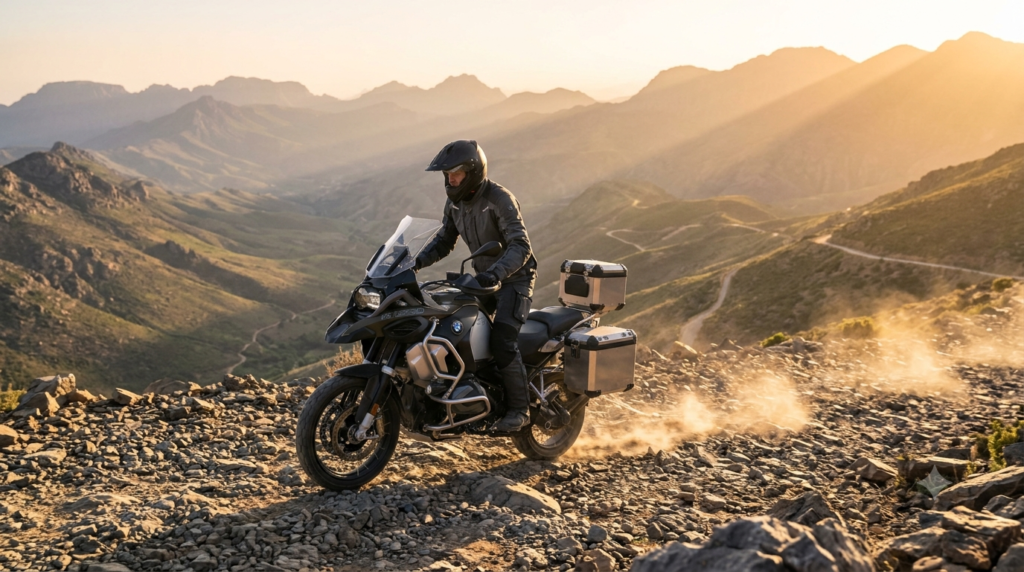
| Rider Aid | When is it Essential? | Nice-to-Have? | Potential Downside |
|---|---|---|---|
| Semi-active suspension | Frequent load changes, mixed surfaces, fatigue on long tours | If you mostly ride solo on pavement | Complexity, cost, more electronic parts to fail |
| Quick shifter | Aggressive or technical riding, standing on pegs | Touring, casual riding | Can feel clunky, needs adjusting |
| Traction control/cornering ABS | Wet roads, unpredictable terrain, emergency stops | Dry climate, skilled riders | If overly intrusive, can sap feel on loose surfaces |
| Auto-leveling/adaptive ride height | If you struggle with tall bikes or frequent two-up riding | Tall/long-legged riders, lighter setups | Added weight, complexity, rare failures |
| Cruise control | Regular highway touring | Mostly back-road or off-road | Rarely fails, but can be fussy to set |
Are These Tech Features Worth the Extra Money?
The best modern adventure bikes strike a balance between technology and reliability. Here’s what to consider before paying extra for advanced rider aids:
- Comfort/Safety: Features like semi-active suspension, cornering ABS, and traction control directly improve safety, reduce fatigue, and increase comfort during long or technical rides.
- Complexity/Maintenance: More electronics mean more that can go wrong, especially after years of travel or remote riding. Repairs may require specialist shops.
- Resale Value: Tech-packed bikes can fetch higher resale, but only if the systems work well and are not seen as dated or fragile.
- Fatigue Reduction: Properly tuned electronic aids lessen physical and mental fatigue, which can prevent errors and make big days easier.
- Proper Setup Still Rules: “Riding with improperly adjusted suspension can make even the most capable adventure bike feel unwieldy and unsafe… Proper suspension tuning ensures improved handling, enhanced safety, better comfort, and longevity.” (Motool Blog).
Improper setup—whether high-tech or not—can ruin ride quality. Learn to set baseline sag and adjust ride modes to suit your conditions. For guidance on getting the most from your gear, our soft panniers gear guide and women’s ADV gear fitting tips can help tailor your setup for maximum comfort and flexibility.
Conclusion
Modern adventure motorcycle rider aids explained—while the tech can seem overwhelming, not every feature is worth the money for every rider. If you value consistent handling, real-time adaptability, and traveling with changing loads, semi-active suspension and advanced electronics offer substantial upgrades. However, always balance the promise of new tech with your actual riding needs and willingness to learn new systems. Invest in what matches your adventure style, and take time to fine-tune your setup for every trip. If you’re ready to go deeper, check out our guides on mid-size ADV bikes for beginners or explore the latest mid-size adventure motorcycle comparisons for the season ahead.
Ready to pick a modern ADV that fits your journey? Explore more detailed reviews, setup guides, and real-world rider stories right here—your next ride deserves the best tech for your needs.
FAQ: Adventure Motorcycle Rider Aids
What’s the difference between semi-active suspension and electronic suspension adjustment?
Semi-active suspension dynamically changes damping and sometimes preload while you ride, based on sensor input. Electronic suspension adjustment lets you select settings with a button but doesn’t adapt in real time—it’s a preset rather than an on-the-fly system.
Is semi-active suspension reliable for extended touring?
Major brands’ systems (BMW, KTM, Harley-Davidson) have proven reliable, but repairs are more complex and may require dealership tools. Regular inspections and keeping firmware updated help ensure trouble-free performance.
Are quickshifters or cruise control worth paying extra for?
If you stand a lot, ride aggressive terrain, or do long highway slogs, these features reduce fatigue and improve focus. For casual or budget riders, they may be less critical.
Can I control all rider aids from the dash?
Most ADV bikes with advanced electronics offer TFT displays or handlebar switches for easy on-the-fly adjustments to ride modes, traction control, and suspension settings. Consult your bike’s manual for details.
Do I need to adjust rider aids for different surfaces or loads?
Yes. Selecting the right ride mode (Off-road, Comfort, Sport) adjusts the electronics for the current conditions. For variable loads, use “Auto Load” or adjust preload as needed for safe, comfortable handling.