

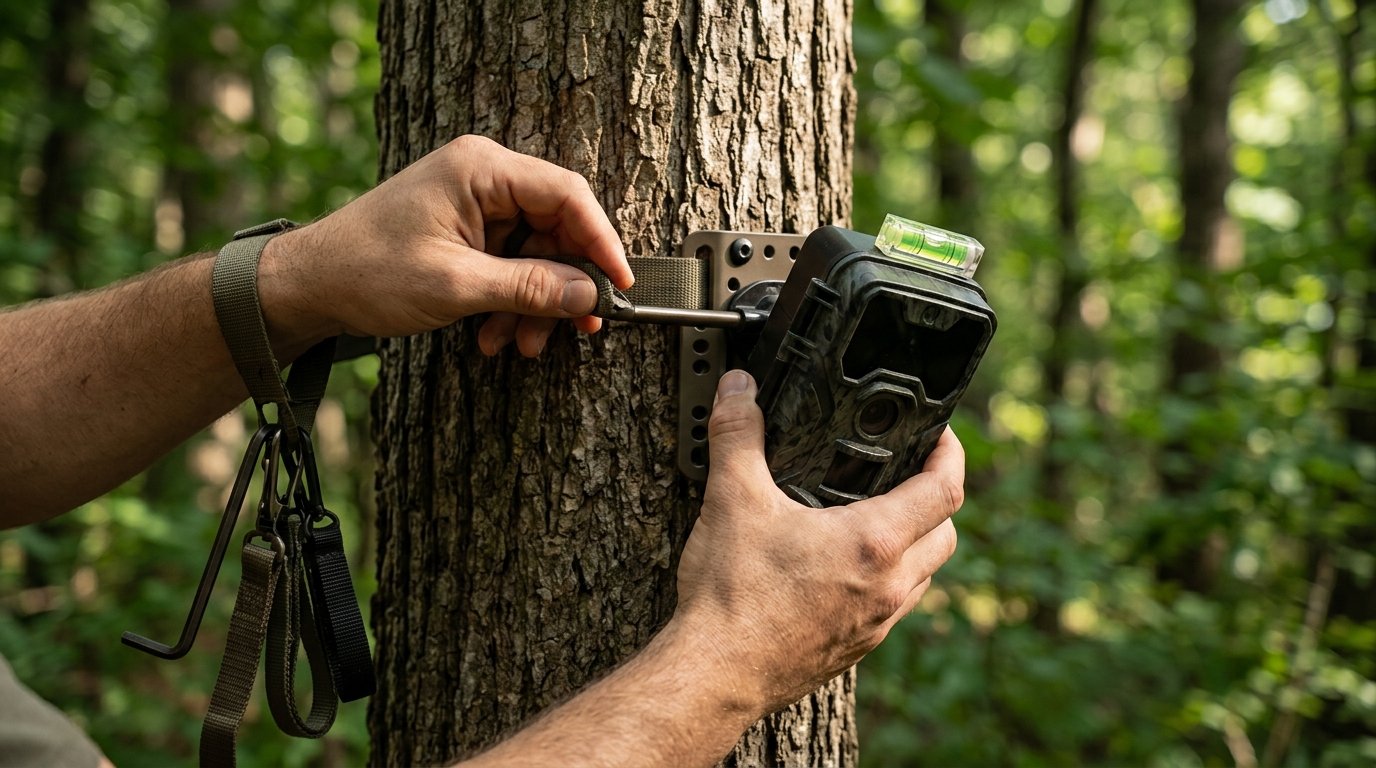
Trail camera for wildlife photography technology in 2026 is making it easier than ever for campers, overlanders, and outdoor enthusiasts to capture elusive animals—even at night—with less setup and zero fuss. Whether you want to document wildlife during remote adventures or monitor your campsite with minimal effort, the right trail camera can deliver sharp, reliable footage around the clock.
Key Takeaways
- The best 2026 trail cameras use 4K video, 32MP+ stills, low-glow infrared, and solar power for maximum reliability in remote, off-grid settings.
- Solar-powered models like the NatureSpy Helarctos Solar enable true “set-and-forget” wildlife photography—no more worrying about dead batteries.
- Fast trigger speeds and advanced night vision help capture skittish, nocturnal wildlife without disturbance, ideal for unattended operation.
Table of Contents
Why a Trail Camera for Wildlife Photography Is Essential for Campers and Overlanders
Capturing wildlife encounters during camping or overlanding isn’t just about snapping photos—it’s about documenting rare, spontaneous animal activity that’s completely unpredictable. A modern trail camera for wildlife photography allows you to quietly observe nocturnal or shy animals, all while focusing on your outdoor adventure, not complicated gear.
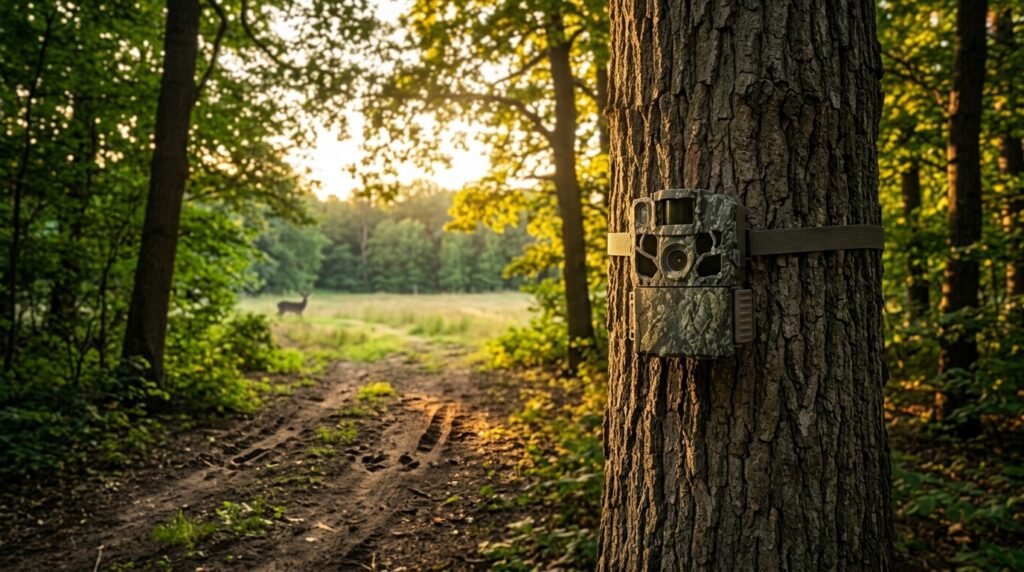
The latest 2026 trail camera models combine 4K video, 32MP+ still image resolution, lightning-fast trigger speeds (as quick as 0.1–0.2 seconds), and detection ranges up to 120 ft, making them far more effective and reliable than legacy options. These advancements address the unique demands of campers and overlanders who may leave cameras unattended for days—or even weeks—with no chance to change batteries or SD cards.
For those traveling off the beaten path, being able to rely on a robust, maintenance-free system is critical for documenting authentic wildlife behavior. These trail cameras do just that, while keeping setup ultra-simple and minimizing your footprint in sensitive habitats.
What Makes a Trail Camera Great for Wildlife Photography in 2026?
Not all cameras are created equal—especially for fieldwork. Here’s what sets the best trail camera 2026 models apart:
- Image Quality: Look for at least 4K video (Ultra HD) and 20-32MP+ stills. This resolution is crucial for identifying animals and capturing fine night-time details.
- Night Vision: Modern low glow night vision trail camera options use infrared (IR) LEDs to light up scenes up to 120 ft away with minimal disturbance. “Low-glow” or “no-glow” LEDs are best for discreet monitoring.
- Trigger Speed: Leading models fire in under 0.3 seconds, ensuring you don’t miss fast-moving animals—think deer or wildcats—especially at night (source).
- Detection Range: Top models offer wide motion detection coverage—100 to 120 ft—vital for capturing more of the action in dense forests or sprawling camps.
- Power Options: solar powered trail camera charging now powers a new generation of trail cameras, freeing you from constant battery changes and enabling much longer deployments.
- Connectivity: The best models include Wi-Fi or LTE for remote access and real-time alerts (ideal for campers tracking activity at their base or travelers monitoring gear while away).
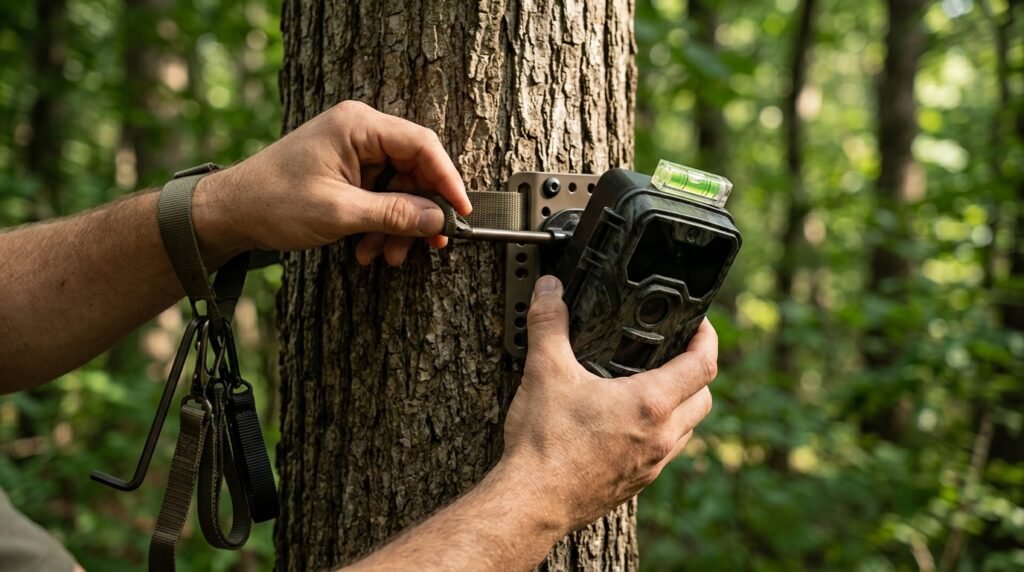
For the ultimate hassle-free experience, prioritize models that blend solar powered trail camera technology, fast trigger speeds, and secure data access—letting you download footage or monitor activity via your phone, even from several miles away (full comparisons here).
If you’re assembling your adventure camera kit, don’t overlook supportive accessories like a heated vest for cold mornings or a lightweight camp stove for flexible backcountry cooking—efficient gear pairs well with low-maintenance camera setups.
Solar Powered Trail Cameras: Go Further with Endless Operation
Solar powered trail camera technology is a big leap for wildlife photography. It lets you set up in remote locations, skip battery swaps, and capture hundreds (or thousands) of images without worrying about power running out.
The NatureSpy Helarctos Solar Trail Camera is a standout, offering uninterrupted battery life via its efficient onboard solar panel—even in partial shade. If sun isn’t enough, it can also draw power from backup AA batteries or recharge via USB-C. This flexibility means true “set it and forget it” operation, perfect for overlanders and campers who may not revisit their camera for weeks (see the review).
But not all solar cameras are equal. Some models rely on external, fragile solar panels or have lower charge efficiency, especially in dense forest or winter conditions. Choose trail cameras with integrated or reinforced solar panels, and always consider a fallback charging option or a secondary internal battery.
Common Pitfalls to Watch Out For
- False Triggers: Wind, shifting light, or even rain can cause motion activated wildlife cameras to fill your SD card with empty clips or blurry shots. Look for models with advanced filtering or adaptive motion sensitivity—like the Moultrie Edge 4 Solar’s AI-powered “Night Clarity” system (Field & Stream).
- Night Vision Limitations: Not all low glow night vision trail cameras are alike. Some lower-cost options have short ranges or confusing hotspot lighting. Always check the specified detection and illumination distance for night capture.
- Complexity: Overly complicated controls and smartphone apps can make setup a hassle—opt for cameras with simple interfaces and intuitive connections for wireless access.
- Theft/Vandalism: Sadly, cameras placed on public land or near busy camps risk being stolen or tampered with. Use cable locks, password protection, and camouflage strategies where needed.
| Model | Video & Stills | Trigger Speed | Detection Range | Night Vision | Power | Special Features |
|---|---|---|---|---|---|---|
| NatureSpy Helarctos Solar | 4K 30fps / 32MP+ | 0.2s | 110ft | Low-glow IR | Built-in solar, AA backup | USB-C, cloud upload |
| Bushnell Core DS-4K No Glow | 4K / 32MP | 0.15s | 120ft | No-glow IR | AA, solar (optional) | GPS, color screen |
| Voopeak TC22 | 4K / 60MP | 0.2s | 100ft | Low-glow IR | Dedicated solar kit | Wi-Fi alerts |
| Moultrie Edge 4 Solar | HD / — | 0.5s | 100ft | Low-glow Night Clarity IR | Slide-on solar panel | 4G LTE live |
For deeper gear reviews and comparison, many adventurers cross-reference their camera picks with wider camping setups, like ultralight motorcycle camping gear or overlanding checklists, to ensure seamless field deployment and weight savings.
Motion Activated & Night Vision: Never Miss Wildlife Activity
Good trail camera for wildlife photography solutions detect animal activity only when it matters. The best 2026 models offer refined motion detection and “no-glow” or “low-glow” infrared, so you’ll catch shy or nocturnal animals without scaring them off. For example, the Moultrie Edge 4 Solar features a quick 0.5-second trigger and “Night Clarity” IR, producing crisp edge-to-edge sharpness even in total darkness (Field & Stream).
Lower-quality cameras may overexpose, underexpose, or trigger from wind-blown grass, so always scan for “adaptive sensitivity” in your camera’s specs, and try out a few settings before leaving it out on a long trip.
Solar powered trail camera models with 4G/5G cellular or Wi-Fi can send notifications to your phone or cloud storage every time a motion event is detected. This is especially helpful for protecting camps, monitoring gear, or just staying up to date if you’re far from the site.
2026’s Best Trail Camera Models for Wildlife Photography: Comparison & Reviews
Let’s look at this year’s leaders:
- NatureSpy Helarctos Solar: Built-in solar panel, internal battery, 4K 30fps video, 32MP stills, low-glow LEDs. Works even in partial shade and keeps operating in unpredictable weather (detailed source).
- Bushnell Core DS-4K No Glow: 4K video, sharp 32MP stills, 0.15s trigger, massive 120ft no-glow IR, GPS geotag, solar panel compatibility, and weather resistance (review).
- Voopeak TC22: 4K+60MP, dedicated solar kit, smart Wi-Fi alerts, robust low-glow night vision, remote app access (Voopeak blog).
- Moultrie Edge 4 Solar: Slide-on solar, Night Clarity low-glow LEDs, 4G LTE live cloud alerts, intuitive interface.
All of these recommend “set-and-forget” installs, letting you leave the camera in place for multi-week trips. Don’t forget to pair with heated vests for chilly dawn stakeouts, or a reliable action camera for dynamic daytime footage.
Pro Tips for Setting Up Trail Cameras on Your Next Adventure
- Place your trail camera for wildlife photography at animal trails, water sources, or camp perimeters where animals naturally pass.
- Angle the lens downward from slightly above suspected animal height for best results and security.
- Use the camera’s test mode or live preview (if available) to confirm trigger area coverage before walking away.
- With solar powered trail camera models, ensure at least partial sunlight hits the panel during the day but protect from glare that might cause false triggers.
- Enable cellular or Wi-Fi features for real-time alerts and battery checks. In 2026, most premium cameras let you review images, footage and even power status from your phone or laptop, so you know when attention is needed (see here).
- Secure the camera with cable locks on public land or busy areas to guard against theft.

Smart campers pair camera monitoring with other gear—why not consult our compact battery charger reviews for reliable backup, or motorcycle overlanding checklists for seamless packing ideas?
Conclusion: Hassle-Free Wildlife Photography on the Move
If you’re serious about hands-off field documentation, a leading trail camera for wildlife photography in 2026 delivers: 4K ultra-HD video, 32MP+ stills, low-glow night vision, real-time mobile alerts, and, crucially, solar powered trail camera autonomy for months of continuous recording. These new tools allow campers, overlanders, and wildlife enthusiasts to reliably capture stunning, undisturbed animal moments—even when the nearest electrical outlet is days away.
Ready to see wildlife differently? Go solar, choose “low-glow” night vision, and let your adventure tell the story. Start planning your next trip with a 2026 trail camera—your wildest photos await.
FAQs
Do solar powered trail cameras really work in cloudy or shaded areas?
Most modern solar powered trail camera models, such as the NatureSpy Helarctos Solar, maintain a charge even in partial shade or cloudy conditions. However, for dense forests or weeks of bad weather, look for units with backup AA batteries or USB-C charging as a failsafe.
How do low-glow and no-glow infrared trail cameras differ?
Low-glow cameras emit faint red light, which is barely visible and unlikely to spook wildlife. No-glow models emit invisible IR, great for ultra-stealthy setups or sensitive species. However, no-glow can sometimes result in slightly lower image contrast compared to low-glow.
Can trail cameras send photos or alerts directly to my phone?
Yes! Many of the best trail camera 2026 models feature LTE or Wi-Fi modules that push images, videos, or battery status to your phone. This lets you monitor footage, storage, and battery life from anywhere.
What are common reasons trail cameras miss wildlife activity?
Common causes include poor placement, incorrect trigger settings, obstructed lens, and depleted batteries. Always test detection range and check power before leaving your camera for an extended time.
Are trail cameras hard to set up?
Not at all. Most 2026 models have simple setup wizards, one-button test modes, and large LCD displays. Follow the manufacturer’s instructions, preview the detection area, and you’re ready to leave it in minutes.