
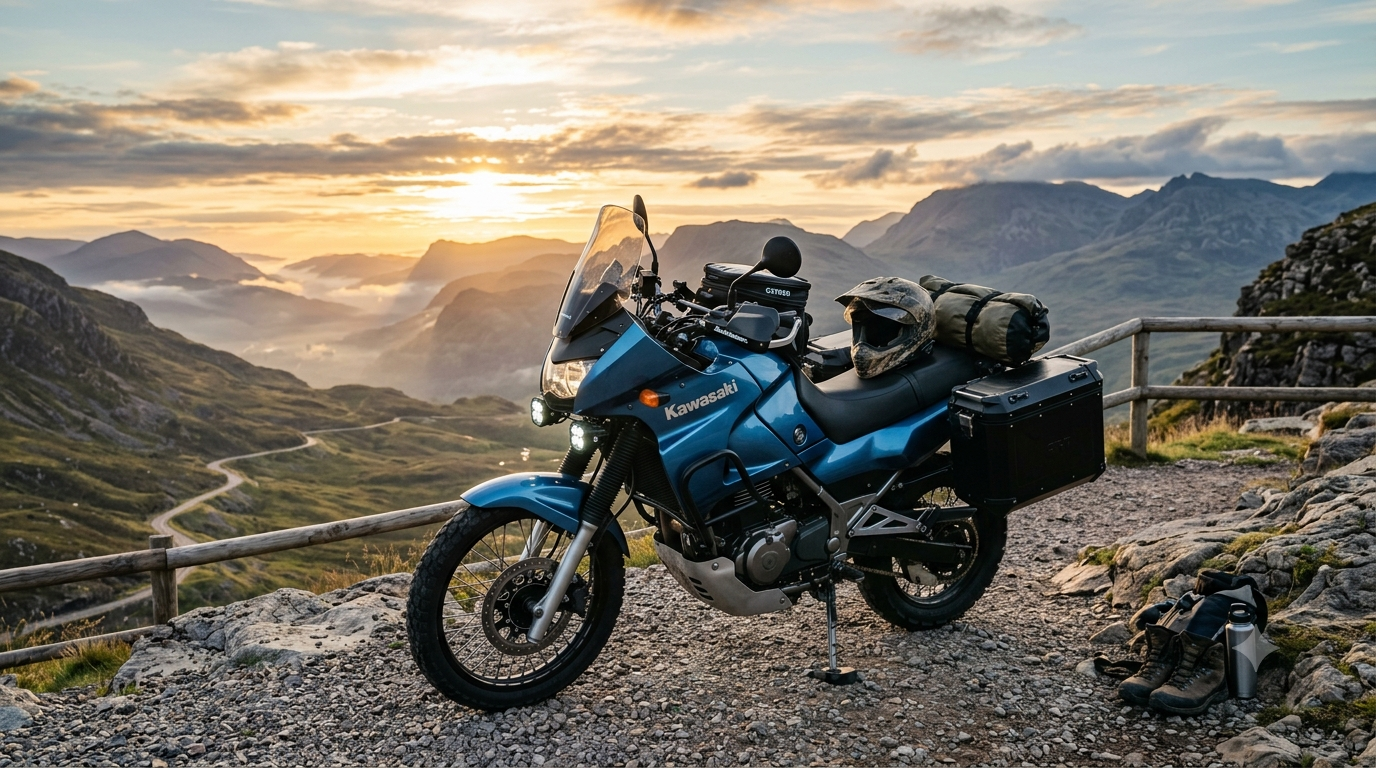
Kawasaki KLE500 accessories have quickly become a hot topic among adventure riders eager to personalize the new 2026 KLE500 for serious touring, daily commutes, and off-road escapes. With manufacturers releasing factory and aftermarket options right from day one, picking the right gear is critical if you want to maximize the KLE’s versatility—and avoid wasting money on accessories that could hold you back.
Key Takeaways
- The 2026 Kawasaki KLE500 launches with a robust range of factory and aftermarket adventure accessories—luggage, skid plates, and crash bars fit for real-world travel.
- Choosing between OEM and aftermarket KLE500 luggage racks/luggage depends on your cargo needs, weight limits, and the routes you plan to ride.
- KLE500 vs KLR650: The KLE500 uses lighter aluminium protection; the KLR650 is more robust but heavier, so know your priorities before outfitting your bike.
Table of Contents
Essential Kawasaki KLE500 Accessories for 2026 Owners
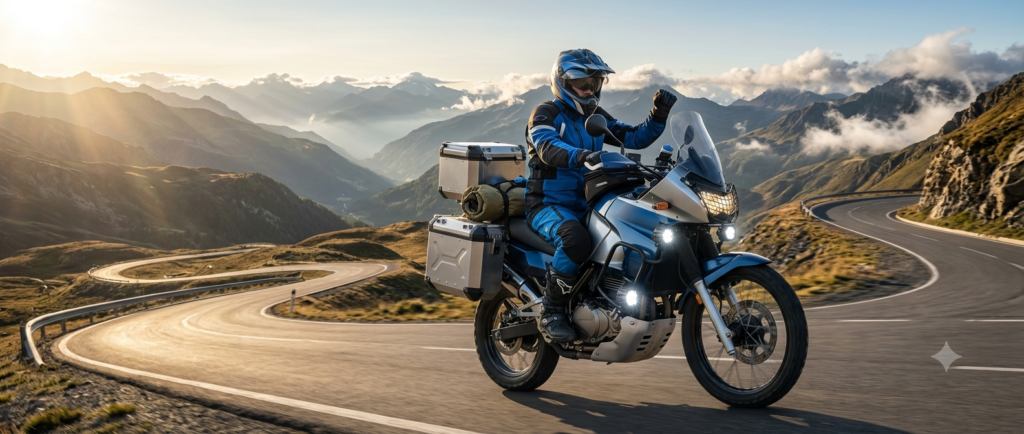
The 2026 Kawasaki KLE500 arrives with a compelling ecosystem of adventure-ready accessories that make it easy for new owners to adapt the bike to touring, commuting, or tackling rough trails. Kawasaki’s own three-case hard luggage system—two panniers and a top case—comes out of the gate as a factory-approved solution, but there’s no shortage of high-quality aftermarket racks, cases, and protection coming online.
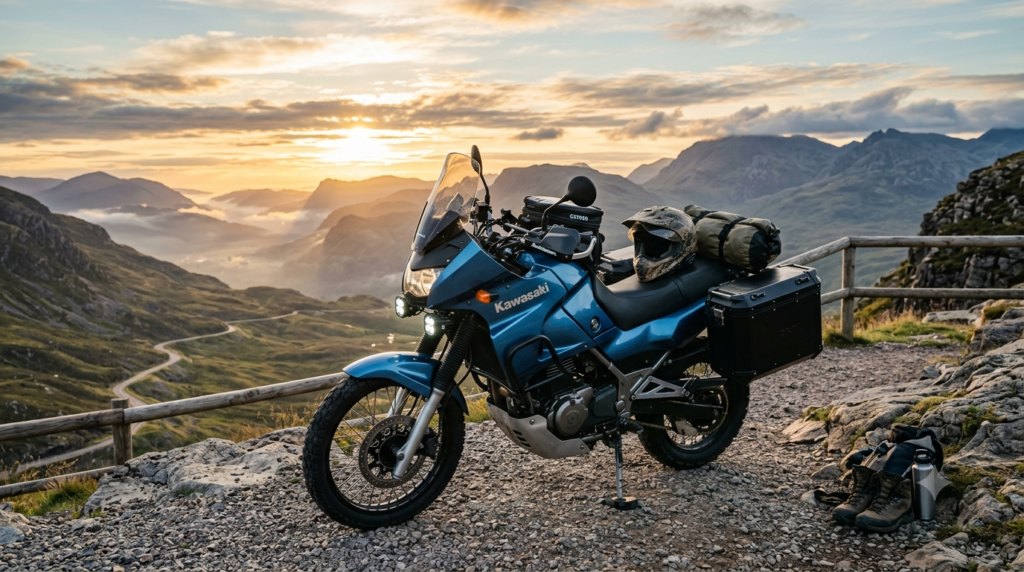
Why upgrade right away? Adventure riders face wildly different road conditions and packing needs. The KLE500’s modular luggage and protection options give you the flexibility to tune your ride—whether you want to load up for an epic backcountry tour or simply keep your daily commute secure and dry. The surge in accessory choices at launch makes this a rare chance to get set up without months of waiting or risky parts compatibility experiments.
According to a recent industry report, “The 2026 Kawasaki KLE500 launch brings a growing ecosystem of adventure‑ready accessories, beginning with a factory‑approved three‑case setup.” This fast-growing aftermarket scene is great news for riders who want to rely on proven kit without becoming beta testers for new parts.
Anyone considering the KLE500 should also think carefully about how it stacks up against the KLR650—especially in terms of protection and cargo systems. This is where the details and real-use feedback become crucial.
Luggage Racks and Cargo Solutions: What Works Best?
Outfitting your KLE500 for practical adventure is mostly about choosing the right luggage rack and cargo setup. Both OEM and aftermarket options are strong for 2026, but each has its own pros, cons, and best-use scenarios.
Here’s a breakdown of some top picks and scenarios:
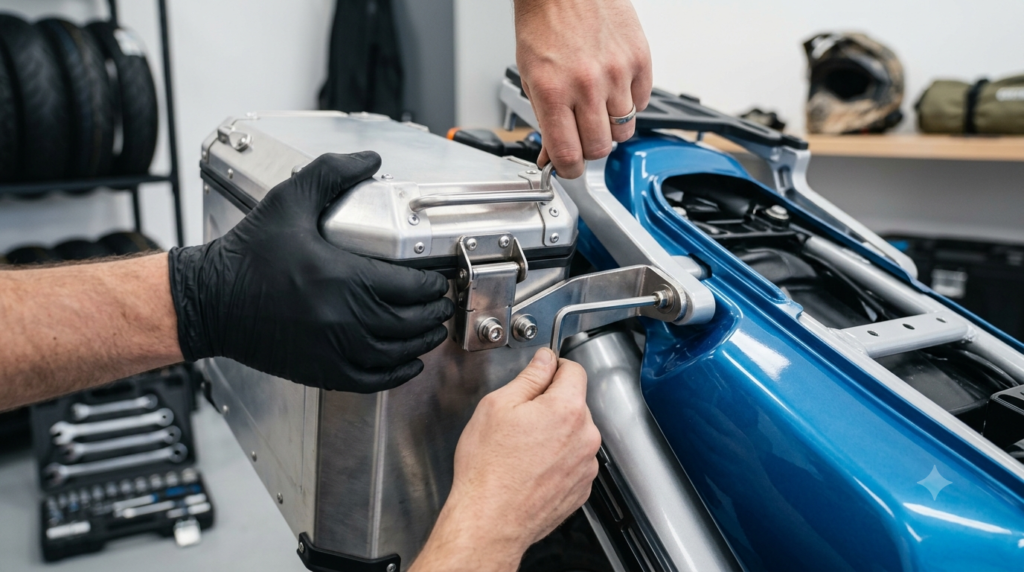
- Factory Three-Case Solution: Offers seamless OEM fit and locking security. The all-aluminium design is weatherproof, with robust side panniers and a generously sized top case—ideal for touring and when you want maximum hard-shell protection (source).
- Aftermarket Aluminium Racks:
Options like the Bagtecs XW141S cases and the Bagtecs XW141S cases and the Outback Motortek rear rack combo bolt directly to the reinforced KLE500 subframe. They’re beefier than most factory racks and support up to 35lb (16kg) of cargo with multiple tie-down points and integrated grab handles. Perfect when you need extra durability for off-road or extended touring. - Lightweight Tubular Racks:
Solutions like the SRC MOTO rear cargo tail rack provide a flat, tubular platform that keeps the luggage higher and out of the dirt—handy for soft bags, day trips, or when pillion space matters (source).
For the best results:
- Decide if you’ll need to carry bulky camping gear or just daily work essentials. Hard cases are pricier but weatherproof and secure; soft bags make the bike nimble for off-road—not ideal for city crime risk.
- Check subframe and rack load ratings. While racks like the Bagtecs and Outback Motortek support 35lb, always err on the side of carrying less weight off-road to avoid stress and potential failures.
- Ensure any tail rack or pannier kit leaves full pillion access if you ever ride two-up.
When setting up camp after a long ride or researching top gear combos, check out our proven adventure motorcycle camping gear guide for luggage-packing tricks that’ll help you travel further, lighter, and more comfortably.
Protection: KLE500 Skid Plates and Crash Bars Compared
Kawasaki equips every 2026 KLE500 with a standard aluminium skid plate from the factory, offering baseline engine and exhaust protection for everyday riding and gravel roads. However, for frequent trail riders or those tackling rocky terrain, upgrading is a smart move.
The SE trim ups the ante with a larger, more robust aluminium skid plate for increased coverage. The biggest leap in protection, though, comes from aftermarket steel crash bars. Brands like SRC and Outback Motortek offer full wrap-around guards that shield the engine cases and radiator in minor tip-overs—critical if you’re riding remote routes where repairs are not an option (source).
Here’s where pitfalls creep in:
- Aluminium vs. Steel:
Aluminium skid plates and bars are lighter, but can dent more easily on heavy impacts. Steel offers maximum strength and durability, but adds lots of weight—potentially affecting handling. - Fitment Complexity:
Some crash bars require removing or modifying bodywork—read install instructions before you order. Always confirm compatibility with your bike’s trim and existing luggage racks. - Poor Quality Hardware:
Weak mounting bolts or brackets can shear during drops. Always use high-grade fasteners as recommended by serious adventure riders on forums such as ADVrider.
If you want to dig deeper into how rugged your skid plate or guards should be for off-pavement use, read our no-BS skid plate and crash bar comparison for the Himalayan 450.
| Accessory | 2026 KLE500 | KLR650 |
|---|---|---|
| Skid Plate | Aluminium (light, more compact); upgraded on SE | Steel (heavy, broad coverage) |
| Crash Bars | Optional aftermarket (steel/lightweight); not always standard | OEM-fit (heavy-duty steel) standard on many trims |
| Luggage Racks | Modern aluminium, lightweight, 3-case ready | Older design, tall steel, heavy (questionable styling/ergos) |
| Total Weight Added | Lighter—better match for bike’s low mass | Heavier—adds significant weight up high |
| Install Difficulty | Simple for most OEM/aftermarket racks; some bars require mod | Straightforward; more accessory “legacy” support |
“The older KLR650…relies on a heavier steel skid plate that already covers a broader area and typically uses sturdier steel crash‑bars as standard or OEM‑fit accessories, making the KLR650’s protection suite more robust but heavier, whereas the KLE500’s aluminium‑based protectors provide a lighter‑weight solution that pairs well with its lower overall weight and modern luggage‑rack designs.” ([source](https://www.advpulse.com/adv-news/2026-kawasaki-kle500-review))
KLE500 vs KLR650: Luggage & Protection Showdown
KLE500 and KLR650 riders are often debating which bike offers the smarter—and lighter—platform for adventure touring. In real-world accessory use, here’s what matters:
- Weight & Purpose: The KLE500’s aluminium racks and guards are easier on the scales, making the bike more agile for off-road and daily riding. KLR650’s legacy steel setups are overbuilt for heavy abuse, but may be overkill and cumbersome if you ride mostly tarmac or mild dirt.
- Rack Height & Ergonomics: Some KLR650 rack setups, especially older OEM tall builds, can throw off the bike’s balance and pillion ergonomics (forum feedback).
- Accessorizing for Adventure: The KLE500’s modular luggage approach is similar in concept to other new mid-size adventure bikes, offering flexibility for modern riders. If you’re looking for a reference point or want to explore similar luggage options, see our soft pannier guide for practical strategies.
If outright ruggedness and parts interchangeability matter above all, the KLR650 still has the edge due to its heavy-duty steel parts and mature accessory support. If a nimble feel and easier weight management top your list, the KLE500 now makes a strong argument in the adventure space.
For a deeper weigh-in on relevant midsize bikes (including the KLE500 and competitors like the Tenere 700), check out our in-depth adventure motorcycle comparison guide.
Real-World KLE500 Accessories Review: Early Impressions & Recommendations
So what do early owners and reviewers actually say about the new KLE500 accessories? Across real-world feedback and early ride tests, a few truths are emerging:
- Installation Experience: Both OEM and leading aftermarket KLE500 luggage racks typically offer a straightforward bolt-on fit with solid instructions. The integrated passenger grab handles on some kits are praised for improving pillion comfort and safety.
- Ride & Handling: Hard case setups rarely upset handling when within weight limits—but overloading, especially up high, makes the bike feel top-heavy. Many riders recommend using a mix of hard and soft luggage to keep the weight lower and easier to manage off pavement.
- Protection Confidence: Standard aluminium skid plates are seen as “enough for street and moderate gravel,” but not for sustained rocky trails. Upgraded plates and crash bars get a clear thumbs up from anyone riding off pavement or in remote spots without immediate support.
- Performance Watchouts: Some experienced testers believe engine and suspension performance is “adequate but may leave hard-chargers wanting when the pace picks up.” (review source)
- Touring Made Simple: The factory three-case system and related accessories “simplify adventure touring” by maximizing cargo flexibility without leaking or rattling (OEM source).
If you want to stay warm on all-season rides, don’t overlook our field-tested heated vest review—essential for early starts or cold-weather tours!
Top Recommendations for Most KLE500 Owners:
- Start with the factory hard luggage if you plan to tour or commute year-round—OEM fit, reliable locks, and weather sealing make them hassle free.
- Add crash bars and a beefier skid plate if you ride gravel or want to protect your investment from unexpected drops or trail hazards.
- For the lightest setup—and if you ride technical dirt—choose a tubular tail rack plus soft side bags.
- Complement your core accessories with proven adventure safety gear, such as electronic earmuffs and motorcycle headsets for group rides.
Conclusion
The 2026 KLE500’s accessory market is the strongest the model has ever seen, making it easy to build the right mix of comfort, cargo, and protection for your needs. Whether you stick with factory options or mix in select aftermarket upgrades, outfitting your new bike with the right Kawasaki KLE500 accessories will mean more safe miles and fewer regrets. Ready to build your own adventure?
Grab your essential gear now while in-stock—and use the resources above to make choices you won’t regret on your next tour or off-road run.
Frequently Asked Questions
Which KLE500 luggage rack should I buy for heavy loads?
For carrying heavier loads or hard panniers, the Outback Motortek rear rack combo or Bagtecs XW141S side case system is recommended. Both bolt directly to the KLE500’s reinforced sub-frame and are rated for up to 35lb of luggage.
Are the OEM skid plate and crash bars enough for real off-road use?
The OEM aluminium skid plate is sufficient for moderate gravel or tarmac. If you’re riding rocky or technical dirt regularly, upgrade to a larger aftermarket plate and add steel crash bars for better durability and coverage.
How does the KLE500’s luggage and protection compare to the KLR650?
The KLE500 uses lighter, modern aluminium racks and protectors, while the KLR650’s steel components are beefier but add significant weight. The KLR650’s setup is more robust for aggressive off-road, but heavier for daily or mixed touring.
Can I use soft bags with the KLE500’s OEM racks?
Most OEM and aftermarket racks offer enough tie-down points for both hard cases and soft bags. Just watch total weight on the rear sub-frame and make sure bags clear the exhaust and rear wheel when loaded.
What’s the #1 accessory most new KLE500 owners regret skipping?
Feedback shows the main regret is skipping crash bars or larger skid plates, especially for riders who later venture off paved roads. They’re much cheaper to install up front than fix an engine case after a fall.