

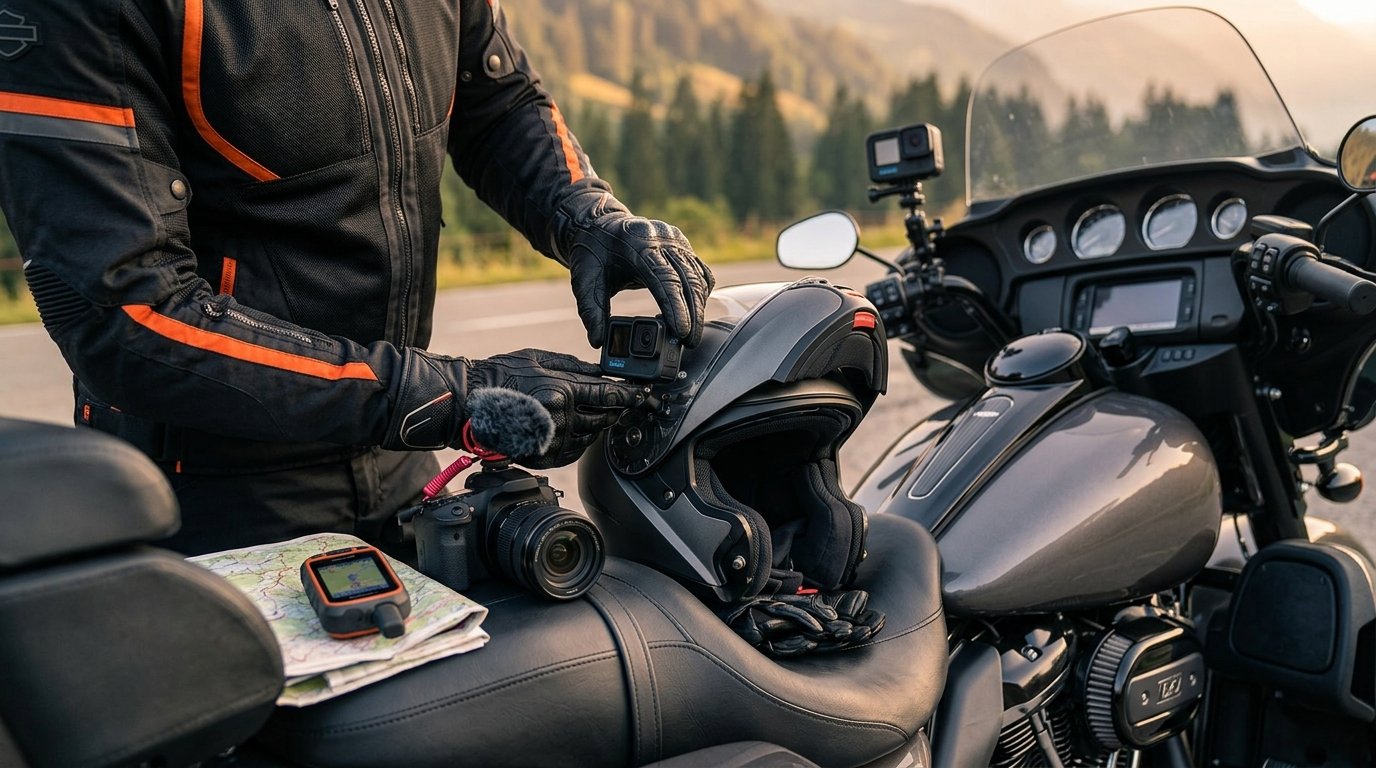
Motorcycle tour vlog: If you ride ADV or tour bikes and want to create immersive ride-and-travel videos for YouTube or social media, you’re in the right place. This step-by-step guide covers everything—from the motorcycle vlogging setup basics, mounting cameras for epic shots, capturing clear audio, and troubleshooting real-world problems—so you document your journey like a pro and enjoy the process.
Key Takeaways
- Build a reliable motorcycle vlogging setup with the right camera, mounts, audio, and charging solution for all-day adventure.
- Avoid common pitfalls by understanding the unique filming challenges facing motorcyclists, especially with audio and weatherproofing.
- Sync on-bike POV with explainer or travel shots for truly engaging, story-driven content that builds your audience.
Table of Contents
Why Create a Motorcycle Tour Vlog?
A motorcycle tour vlog is more than a video diary—it’s your story on two wheels, capturing adventure, inspiration, and the authentic journey from ride to destination. Riders document these trips to inspire others, relive epic routes, and connect with a like-minded community. In today’s world, adventure riders are not just consuming travel content—they want to create it, too.
According to RideToFood, “Action cameras are great for creating moto vlogs or general riding content while operating a motorcycle.” With audiences hungry for real, immersive experiences, your own travel vlogs can ignite the same urge for exploration in viewers—and build lasting connections in the global riding community.
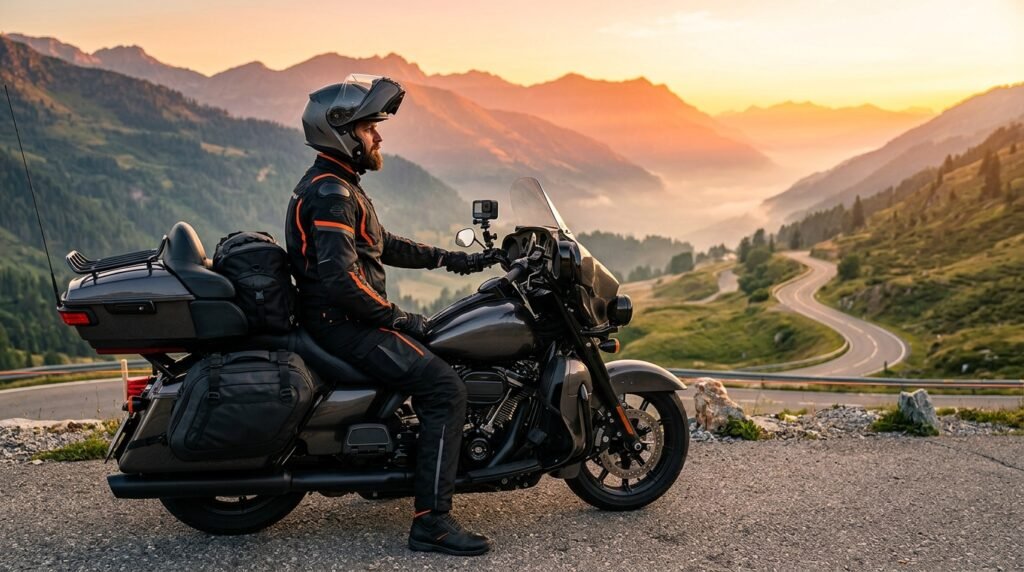
Essential Motorcycle Vlogging Setup: Key Gear for the Road
Building a motorcycle vlogging setup that survives all conditions and captures quality footage requires thoughtful gear selection. Here’s exactly what you’ll need:
Camera: For unbeatable versatility, the Insta360 Ace Pro 2 shoots up to 8K 30fps, features a 157° ultra-wide FOV, and boasts AI-enhanced low-light performance and wind-shield mic—all in a helmet chin-mount–friendly form factor. (source, source)
Alternatives like the GoPro Hero 13, DJI Osmo Action 4, or entry-level models still offer robust stabilization and waterproofing, but pay attention to sensor size for best low-light performance and clarity.
Mounts: A solid helmet chin mount (secured with Sugru or a titanium clip), a tank or chest mount for forward bike shots, and a handlebar or tail mount for dynamic or following angles help capture all perspectives. Want smart mounting tricks? See our guide to chin mount compatibility for adventure helmets.
Microphones: Clear voice at speed is key. The Hollyland LARK M2S wireless lav mic is only 7 grams, clips invisibly inside your helmet, and runs for 30 hours straight. (source)
Power Solution: Pack a Hardwire a 12V-to-USB-C charger wired to your bike or a high-capacity USB-C power bank (in a tankbag) to keep cameras and mics running on long haul days.
Accessories: Always bring a lightweight tripod or selfie stick for sit-down travel segments. Spare batteries and storage cards are a must.
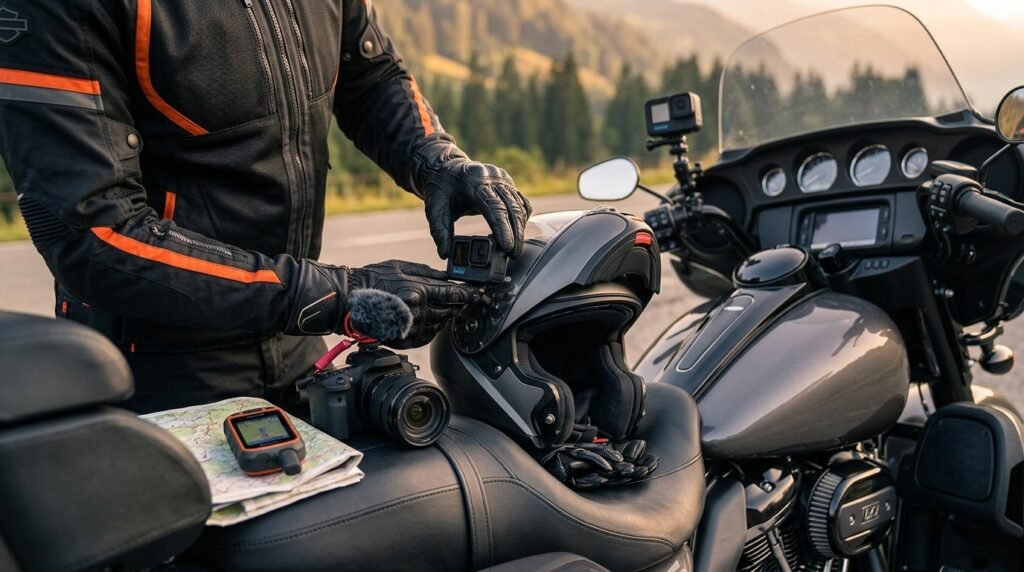
Want a more complete checklist? See our overlanding gear essentials post for general packing strategy, or our ADV pannier recommendations for carrying your camera kit securely.
Best Cameras for Motorcycle Vlogging (2024 Edition)
Choosing the best camera for motorcycle vlogging depends on your priorities—resolution, stabilization, audio, and durability. Here’s a quick comparison of top picks and the realistic issues riders face:
| Camera | Strengths | Potential Issues |
|---|---|---|
| Insta360 Ace Pro 2 | 8K 30fps, 157° FOV, flip touchscreen, great low-light, wind-shield mic, compact. | Pricey; firmware updates sometimes needed for new features; microSD errors if not genuine/high-speed; some features require app. |
| GoPro Hero 13/12 | 5.7K 60fps (Hero 13), strong stabilization, waterproof to 10m, tough mounts. | Battery drains fast at 4K/5K; overheating risk in hot climates; USB-C port cover can fail in rain; audio is wind-sensitive unless external mic used. |
| Sony ZV-E10 Mirrorless | Excellent talking head/travel segments; superior depth of field, interchangeable lenses. | Bulky for on-bike POV; needs separate mic and stable tripod; not waterproof. |
| DJI Osmo Action 4 | 4K 120fps, great in low-light, compact and rugged, affordable alternative. | Not true 8K; stabilization can lag behind GoPro/Insta360 at high vibrations; battery life drops in cold weather. |
Note: GoPro, Insta360, and Sony all require high-speed microSD cards rated for video class V30 or higher to prevent sudden card errors or file corruption—especially important for multi-day, remote ADV trips.
For fully waterproof communications and music on your ride, consider pairing one of these setups with a budget-friendly motorcycle headset as backup.
ADV Moto Vlog Setup: Mounts, Angles & All-Weather Solutions
Creative mounting unlocks better storytelling. Here’s how to record all perspectives for your motorcycle tour vlog setup, while surviving real-world adventure travel:
- Chin or helmet mount: The gold standard for POV—secure with Sugru (source) or a robust titanium clip for rugged lines of sight.
- Tank/chest mount: Shows your controls, dashboard, and route maps—a must for tutorial or review style content. Compatible with navigation device setups.
- Tail/rearview mount: Captures riders behind you or “leader shot” of friends in convoy.
- Handlebar/side mount: Dynamic for lean-angle shots or selfie-style talking-to-camera moments. Use a U-bolt or RAM-mount for added stability (Insta360: source).
All-weather filming: Always check ports are sealed, cover mics with foam, and beware that moist or muddy conditions can trigger condensation or lens fog—plan for frequent cleaning if riding rain or dirt.
Want better ways to power up and protect gear? Visit our picks for motorcycle battery chargers and tire repair kits so your adventure doesn’t grind to a halt.
Audio & Power: Recording Clear Voice and Powering Your Gear All Day
Clear voice recording through wind and engine noise separates memorable vlogs from forgettable ones. Here’s what works on real ADV tours:
Wireless lav mics: Hollyland LARK M2S (7g)—clips invisibly inside helmet, 30h battery, survives vibration (source). Foam or deadcat windscreen is essential.
Power on-the-go: Use 12V battery tap or USB-A/C adapters hardwired to your bike. Keep a waterproofed high-capacity power bank handy for campsite recharges, and budget for hot-swapping batteries if recording in high-res all day. Rotate/recharge at fuel stops.
Backup: If possible, record backup audio separately on your phone, synced later in post production—an often overlooked insurance against failed mic connections or wind overload.
Struggling to keep devices juiced? Our navigation mount guide also shows reliable charging setups for multi-day journeys.
Packing List: The Complete Motorcycle Filming Gear Checklist
Double-check your motorcycle filming gear before hitting the road! Use this concise ADV moto vlog setup checklist:
- Primary camera (Insta360 Ace Pro 2, GoPro Hero 13, DJI Osmo Action 4, or other action cam)
- Sony ZV-E10 (optional for travel/talking-head segments)
- Helmet chin mount and backup adhesive or clips
- Tank/chest, tail, and handlebar/U-bolt mounts
- Wireless lav mic (Hollyland LARK M2S or similar), spare foam windscreens
- 12V-to-USB-C (bike-powered charger), high-capacity USB-C power bank
- At least 2 spare batteries per camera, high-speed microSD cards
- Lightweight tripod or carbon selfie stick (great for adjusting framing in bivouac or travel segment)
- Camera lens cloth; small drybag or case for storage
Did you know? Keep a lightweight tripod or selfie stick for framing, on-location sit-downs, or quick adjustments—flexibility matters on the move!
Looking for all-in-one riding and filming gear? Pair your rig with a heated vest for cold tours or mosquito repellent if you’re filming deep backcountry.
Pro Tips for Epic Motorcycle Tour Vlogs
Once you master the basics, here’s how to elevate your motorcycle tour vlog so it stands out:
- Pair a Sony ZV-E10 mirrorless for pro-grade off-bike or “talking head” explainer segments, while your all-weather action cam stays helmet- or tank-mounted for raw riding POV (source).
- Use a simple hand clap (on or off camera) to sync separate mics and video tracks in post-production if your cam doesn’t support in-camera audio-in.
- Rotate batteries and microSD cards at each natural stop; label them by date/location to avoid losing footage to overwrites or card errors.
- Back up footage nightly to a phone, portable SSD, or the cloud when you find WiFi—never rely solely on memory cards, especially for long journeys.
- Mix first-person riding content with story-driven, off-bike travel segments (e.g. explaining why you chose your route, or a quick tour of your camp setup).
Want to see the latest models? Check out current action camera reviews, including the DJI Osmo Action 4.
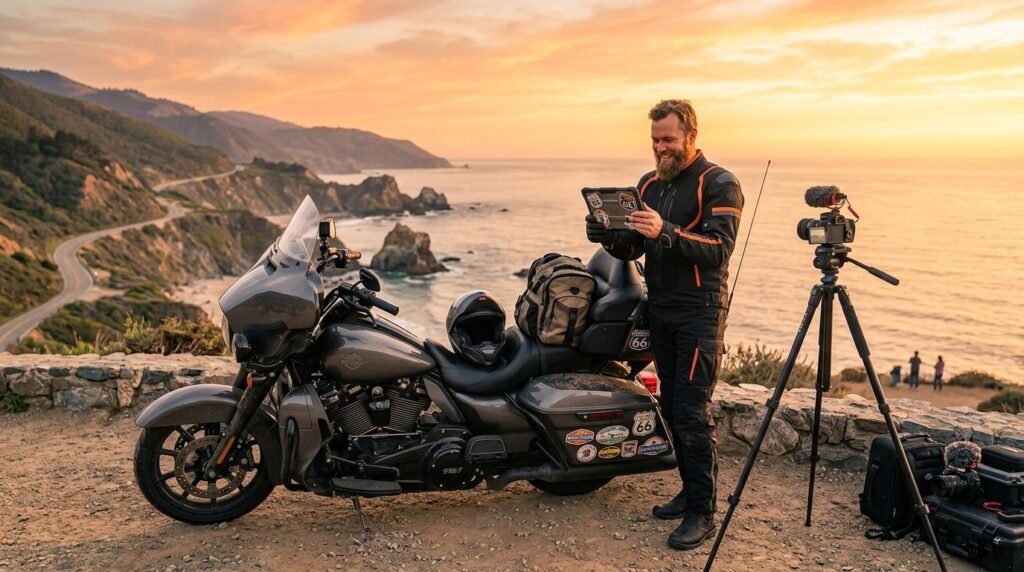
Final Thoughts—Building Your Ideal Vlog Setup
Dialing in your motorcycle tour vlog setup is a journey: choose rugged, weatherproof cameras like Insta360 Ace Pro 2 or GoPro; secure versatile mounts; use an invisible wireless lav mic for crisp audio at speed; and always plan for power, backup, and changing conditions. The best camera for motorcycle vlogging is the one you trust to capture your adventure, rain or shine.
Test, tweak, and experiment—gear evolves fast, and so will your style. Ready to shoot your own story? Take these tips, hit record, and share your motorcycle tour vlog in the comments. Got a killer hack of your own? Let us know below!
FAQ
What is the best all-in-one camera for a motorcycle tour vlog?
The Insta360 Ace Pro 2 offers 8K recording, a robust ultra-wide lens, AI-powered low-light mode, and a wind-shield mic—all in a compact body that’s easy to mount. GoPro Hero 13 is another proven choice for stabilization and waterproofing.
How do I record clear voice while riding at speed?
Use a lightweight wireless lav mic (like Hollyland LARK M2S) clipped inside the helmet, shielded with foam for wind, and test placement for best results before long rides.
How do I keep my gear charged on all-day tours?
Hardwire a 12V-to-USB-C charger to your bike’s battery or use a reliable high-capacity USB-C power bank stored in a waterproof tankbag. Rotate batteries at rest stops to prevent downtime.
What’s the biggest mistake beginners make in motorcycle vlogging?
Neglecting wind noise in audio, using low-quality microSD cards that corrupt footage, and forgetting to pack backup batteries or power solutions. Always test your setup on a short ride before your real trip.
Can I mix on-bike and travel vlog content in the same video?
Absolutely. The most engaging vlogs combine action-packed POV riding footage with travel guides, location reviews, gear explains, and personal stories. Mixing both keeps your audience coming back.